The quest for youthful, smooth skin has made clay
masks a staple in skincare routines worldwide. Promoted for their deep-cleaning and purifying properties, a common claim is that these mineral-rich treatments can also stave off the signs of aging, particularly wrinkles. While clay
masks offer several legitimate benefits for skin health, their direct efficacy in preventing wrinkles is nuanced and requires a clear understanding of both their capabilities and the primary causes of aging skin.To assess this, one must first understand what causes wrinkles. Intrinsic aging, the natural chronological process, is driven by a gradual decline in collagen, elastin, and
hyaluronic acid production. Extrinsic aging, however, is predominantly caused by external factors like ultraviolet (UV) radiation from the sun, pollution, smoking, and repetitive facial movements. Among these, sun exposure is the single greatest accelerant of wrinkle formation, a process known as photoaging. Therefore, any skincare product hailed for wrinkle
prevention must address these core mechanisms—either by boosting collagen, protecting against UV damage, or neutralizing free radicals.This is where the benefits of clay
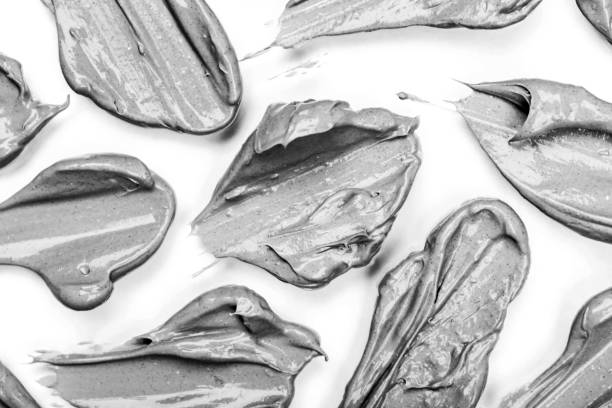
masks become specific. Their primary strength lies in their exceptional absorbent properties. Clays like bentonite and kaolin draw out excess oil, impurities, and debris from the pores. By providing a deep cleanse, they can improve skin clarity, reduce congestion, and create a temporary tightening effect as the mask dries and contracts on the skin. This immediate tautness, often mistaken for an
anti-aging effect, is superficial and subsides shortly after the mask is rinsed away. Furthermore, by managing oil and impurities, clay
masks can help maintain a clear complexion, which contributes to a healthier-looking skin canvas. Healthy, balanced skin is arguably better equipped to maintain its resilience over time.However, the critical distinction lies in
prevention versus temporary improvement. Clay
masks are not typically formulated with the key ingredients clinically proven to prevent wrinkles. They generally lack significant concentrations of retinoids (which boost collagen), vitamin C (a potent antioxidant that fights free radicals and aids in collagen synthesis), or peptides (which signal skin repair). Most importantly, they provide no broad-spectrum sun protection, which is the non-negotiable cornerstone of any
anti-aging regimen. No skincare product, no matter how purifying, can counteract the wrinkle-causing damage of daily UV exposure without sunscreen.That said, clay
masks can play a valuable supporting role in a comprehensive
anti-aging strategy. Their deep-cleansing action ensures that serums and moisturizers applied afterward can penetrate more effectively. Some clay
masks are also infused with additional
anti-aging ingredients, though the short contact time of a rinse-off product limits their potency compared to leave-on treatments. Moreover, the anti-inflammatory properties of certain clays, like kaolin, can soothe irritation, and the exfoliating effect of others can promote mild cell turnover, contributing to a brighter, smoother skin texture that may minimize the apparent depth of fine lines.In conclusion, while clay
masks are excellent for purifying, balancing, and creating a momentary refined skin texture, they are not a standalone solution for preventing wrinkles. Their mechanism of action does not directly target the fundamental processes of collagen degradation and UV damage that lead to permanent lines and creases. The most effective
anti-aging protocol remains a consistent routine built on daily broad-spectrum sunscreen, antioxidant serums, proven collagen-stimulating ingredients like retinoids, and adequate hydration. Within this framework, a weekly clay mask serves as a beneficial supplement for overall skin health and clarity, contributing to a vibrant complexion that can appear more youthful, but it should not be mistaken for a primary wrinkle-prevention weapon. True wrinkle
prevention is a marathon, not a sprint, built on protection and proven ingredient science.