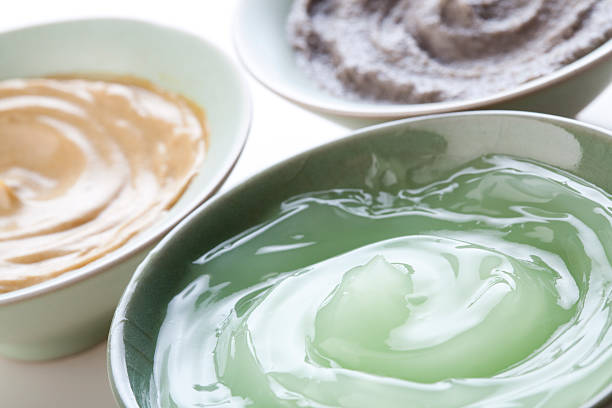
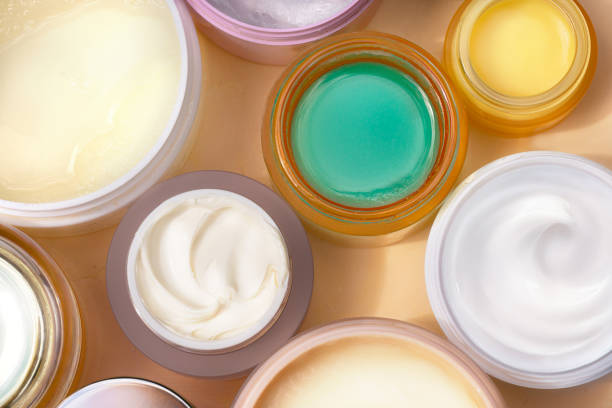
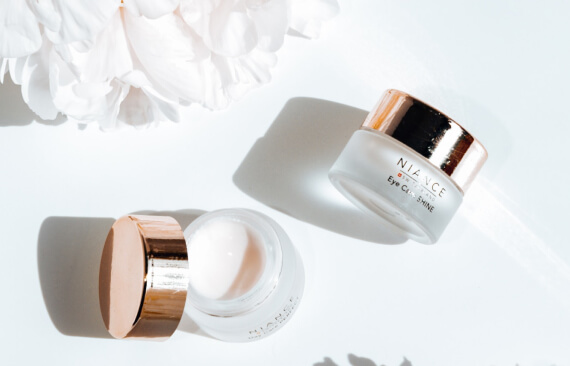
The delicate skin surrounding the eyes, being the thinnest on the body, requires specialized care, making the choice between creams and gels a common point of consideration. While both formulations aim to address concerns like dryness, wrinkles, puffiness, and dark circles, their fundamental differences in composition, texture, and performance dictate which is suitable for specific skin types and concerns. Understanding these distinctions is key to selecting a product that not only promises results but also feels comfortable and effective in daily use.The primary difference lies in their base formulation. Eye creams are typically oil-in-water or water-in-oil emulsions, meaning they contain a blend of water and various oils, butters, and waxes. This gives them a richer, more occlusive texture designed to nourish and hydrate intensely. The lipid-rich components create a protective barrier on the skin, which helps to prevent moisture loss—a crucial function for the moisture-prone eye area. This makes creams particularly beneficial for those with dry, mature, or very dehydrated skin, especially in colder, drier climates. Their emollient nature is excellent for targeting fine lines and wrinkles that are exacerbated by a lack of moisture, as they plump the skin through sustained hydration.In contrast, eye gels have a water-based, often oil-free formulation. They are composed primarily of water thickened with gelling agents like carbomer or aloe vera, resulting in a lightweight, transparent, and fast-absorbing texture. Gels provide immediate cooling and hydration without adding any
oily residue. This makes them the preferred choice for individuals with oily, combination, or acne-prone skin, as they hydrate without clogging pores or causing milia—those tiny, hard white bumps common around the eyes. Furthermore, the cool, tightening sensation of a gel is specifically advantageous for addressing puffiness and fluid retention. The formulation often includes ingredients like caffeine or peptides that constrict blood vessels and help drain excess fluid, making them ideal for morning use to de-puff and refresh the under-eye area.The intended use and sensory experience further separate the two. An eye cream is generally a treatment-oriented product, focused on long-term repair and intensive moisturization. It is often used as part of a nighttime routine, allowing its richer ingredients to work undisturbed during the skin’s natural repair cycle. The feel is one of nourishment and comfort. An eye gel, however, is frequently seen as a targeted, symptomatic solution. Its quick-absorption and matte finish make it an excellent base for makeup, as it won’t cause concealer to slide or crease. The immediate cooling effect offers a sensation of awakening and is psychologically and physically soothing for tired, swollen eyes.Ultimately, the choice is not necessarily mutually exclusive and can be guided by both
skin type and specific concerns. Many find success using a gel in the morning to combat puffiness and prepare the area for makeup, followed by a cream at night to deliver intensive moisture and
anti-aging ingredients. For those with
normal skin, the decision may come down to personal texture preference and the primary issue they wish to address: gels for puffiness and lightweight hydration, creams for wrinkle reduction and combating dryness. Regardless of the choice, application with a gentle patting motion using the ring finger is essential to avoid tugging the fragile skin. By aligning the product’s properties with one’s individual needs, one can ensure that this critical step in a skincare routine is both a pleasure and a potent defense against the signs of aging and fatigue.