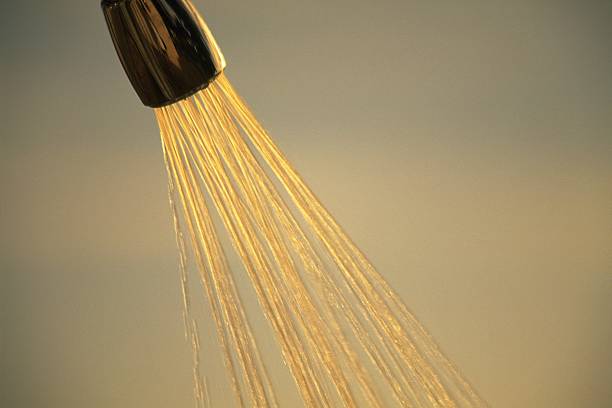
For many, the day begins or ends with the simple, steamy ritual of a hot shower. It’s a sanctuary for relaxation, a remedy for sore muscles, and a bastion of warmth. Yet, a growing body of advice suggests we should temper this pleasure with caution. The question of whether you should be concerned about hot showers is not one with a simple yes or no answer, but rather an exercise in understanding the balance between immediate benefits and potential long-term consequences for your skin, hair, and overall health.On one hand, the allure of hot water is deeply physiological. The heat helps to relax tense muscles by increasing blood flow and easing stiffness, providing genuine relief after physical exertion. The
steam can open nasal passages, offering temporary respite from congestion. Furthermore, the psychological comfort is undeniable; the warm cascade can lower stress hormones and create a private, meditative space. For these reasons, dismissing hot showers entirely would be to forgo a powerful tool for both physical ease and mental well-being. The key, however, lies in moderation and understanding the vulnerabilities that excessive heat can create.The primary cause for concern centers on your body’s largest organ: your skin. Prolonged exposure to very hot water strips away the skin’s natural oils, known as sebum. This compromises the skin’s lipid barrier, its essential protective layer. The result is often dry, flaky, itchy skin that can exacerbate conditions like eczema and psoriasis. For individuals already prone to
dry skin, hot showers can transform a comforting habit into a source of persistent irritation. Similarly, your scalp is affected. That same stripping action can leave hair dry, brittle, and more prone to breakage, while potentially irritating the scalp and prompting it to overproduce oil to compensate, leading to a cycle of grease and dryness.Beyond dermatological effects, there are circulatory considerations. Very hot water causes blood vessels near the skin’s surface to dilate dramatically. For most people, this is harmless, leading to that familiar flushed feeling. However, for individuals with certain cardiovascular conditions or low blood pressure, this sudden vasodilation can cause dizziness, lightheadedness, or even fainting upon exiting the shower—a potentially dangerous situation. Furthermore, some research suggests that excessive heat exposure, such as from very hot showers or baths, may impact sperm production due to the testes’ need for a cooler environment, though this effect is typically reversible.So, should you be concerned? The answer is not to live in fear of your shower, but to practice informed moderation. You need not switch entirely to cold plunges. Instead, consider making warm—not hot—water your default. A good rule of thumb is a temperature that feels comfortably warm but doesn’t leave your skin bright red. Limiting shower time to under ten minutes is equally crucial to minimize oil stripping. Following your shower, gently pat your skin
dry and apply a moisturizer within three minutes to trap hydration. Installing a shower filter can also help if you have hard water, which can be more drying.Ultimately, the hot shower is a pleasure that can be enjoyed responsibly. By shifting the paradigm from “hot” to “warm,“ and from “lengthy” to “efficient,“ you can preserve the mental and muscular benefits while actively protecting your skin and hair. Listen to your body; if your skin feels tight or itchy, or you emerge feeling dizzy, it’s a clear signal to adjust your routine. The goal is not to eradicate comfort but to cultivate a habit that nourishes your body inside and out, ensuring that your daily ritual remains a source of renewal, not unintended harm.