Let’s be real. You bought that fancy facial brush because you heard it would give you glowing skin. Maybe you saw it on social media, or a friend swore by it. You started scrubbing your face every morning and night, thinking more scrubbing equals better results. But a few weeks later, your skin feels tighter, looks a little red, and those tiny lines around your eyes seem deeper. What gives? The problem is probably not the brush itself. It’s how you’re using it. If you want to keep your skin smooth and prevent wrinkles, you need to treat your face like a delicate piece of silk, not a dirty frying pan.
Most women who spend money on skincare want to get the most out of their products. You buy good moisturizers and serums, and you want them to sink in. A facial brush can help with that. When used correctly, it gently exfoliates dead skin cells that sit on top, making your skin feel smoother and letting your creams work better. That’s the good news. But here’s the part nobody tells you: scrubbing too hard or too often does the opposite of what you want. It damages your skin’s protective barrier, which is the layer that keeps moisture in and irritants out. Once that barrier is weak, your skin loses water faster. Dry skin equals more visible wrinkles. So your attempt to prevent aging actually speeds it up.
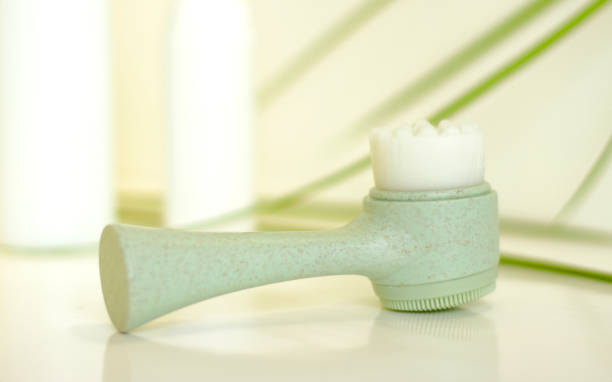
Think of your face like a ripe peach. If you rub a peach with a rough sponge, the skin gets torn and bruised. The same goes for your face. Your skin cells, especially as you get older, need to be handled with care. The facial brush is a tool, not a weapon. You want to use the softest bristle head you can find. Many brushes come with different options. Do not buy the stiff one that claims to “deep clean.” That’s for your feet, not your face. Look for extra-soft or sensitive bristles. They still do the job without causing micro-tears in your skin. Those tiny tears might not be visible to your eye, but over time they add up, leading to sagging and fine lines.
Another big mistake is using the brush every single day. You might think that because your teeth need brushing twice a day, your face should too. Wrong. The skin on your face is much thinner and more sensitive. Most experts agree that two to three times a week is plenty for a facial brush. On the other days, just use your clean hands or a soft cloth. Give your skin time to recover. If you over-scrub, you strip away the natural oils that keep your skin plump and hydrated. Without those oils, your skin becomes dry and more prone to wrinkles. You are literally scrubbing away your youth.
Let’s talk about pressure. You probably push the brush into your skin because you think that makes it clean better. Stop. Let the brush do the work. The bristles are designed to move across the surface gently. You should just glide the brush over your face with barely any pressure. If you press hard, you are basically giving your face a mini rug burn. That kind of friction, repeated week after week, is a direct cause of expression lines and creases. Your skin remembers that trauma. You know how a fold in a piece of paper stays even after you flatten it? Same thing happens with your skin.
Here is a simple test. After you use your brush, wait five minutes and look in the mirror. If your face looks red, splotchy, or feels hot, you went too hard. A healthy glow is soft and even. Redness means inflammation, and inflammation is a major enemy of youthful skin. It breaks down collagen, which is the protein that keeps your skin firm. Less collagen means more wrinkles. So if your brush leaves you looking like a tomato, change your technique or switch to a silicone brush. Silicone brushes are gentler because they don’t have bristles that can scratch. They also dry faster, which means less bacteria growing on them. Bacteria on your brush can cause breakouts, and acne scars can look like wrinkles at first glance.
Finally, keep your brush clean. You might not think about it, but that damp brush sitting in your bathroom is a breeding ground for germs. Wash the brush head with soap and warm water after every few uses. Replace the head every three to four months. A dirty brush rubs bacteria and old product right back into your pores. That clogs them, leading to bumps and uneven texture. And bumpy skin makes fine lines more noticeable.
So here’s the bottom line. A facial brush is not your enemy. It can be a great helper. But only if you treat it like a gentle tool, not a power scrubber. Use it twice a week, press lightly, and pick the softest head. Your skin will stay hydrated, your barrier will stay strong, and you will keep those wrinkles at bay longer. Remember, the goal is healthy skin, not skin that gets scrubbed into submission. You paid good money for that brush. Make it work for you, not against you.