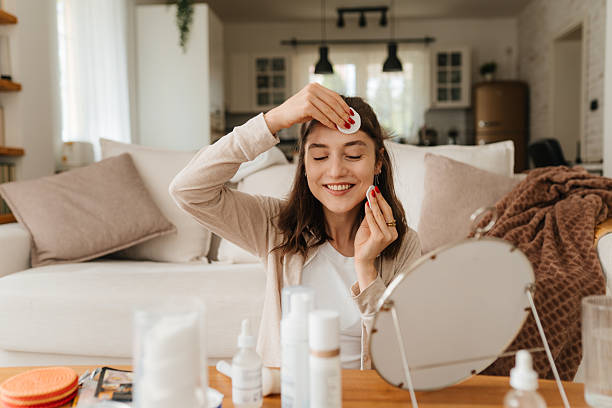
You’ve been diligent. SPF every morning, retinol at night, a moisturizer that actually feels like a treat. Then one day, your skin starts acting like a completely different person. The glow you relied on? It’s gone. The fine lines you thought you had under control? They’re deeper. And suddenly, even your trusty cleanser feels too stripping. Welcome to perimenopause, the years leading up to your final period, when your hormones decide to mix things up just to keep you on your toes.
Here’s what’s actually happening: your estrogen levels begin to dip, and that matters more than you might think. Estrogen has been quietly working behind the scenes all along, telling your skin to produce collagen, that plumping protein that keeps everything bouncy and smooth. As those levels wobble and fall, collagen production slows down. Think of it like a fountain that’s losing water pressure. The result? Thinner skin, more visible lines, and a tendency to remind you that you’re not 25 anymore.
But collagen isn’t the only thing that changes. Your oil glands get the memo too and start producing less sebum. That might sound like a good thing if you spent your twenties fighting shine, but less oil also means a weaker moisture barrier. Your skin becomes more prone to dryness, flakiness, and that tight feeling after washing. At the same time, your blood vessels become more reactive, so you might get flushing or redness out of nowhere. And for a frustrating twist, some women actually break out more during perimenopause, because the balance between estrogen and testosterone shifts, giving androgens a bit more influence over your pores.
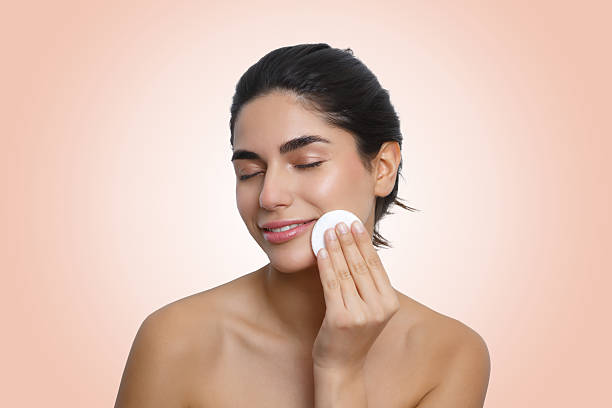
The good news? You don’t need to overhaul your entire life to get your skin back on track. You just need to be a little more strategic. Start by taking a hard look at your cleanser. If it’s foamy or has words like “clarifying” or “oil-free” on the label, it’s probably working against you right now. Swap it for a gentle cream or lotion cleanser that removes makeup and sunscreen without stripping your skin. Think of it as treating your face like delicate fabric rather than a kitchen counter.
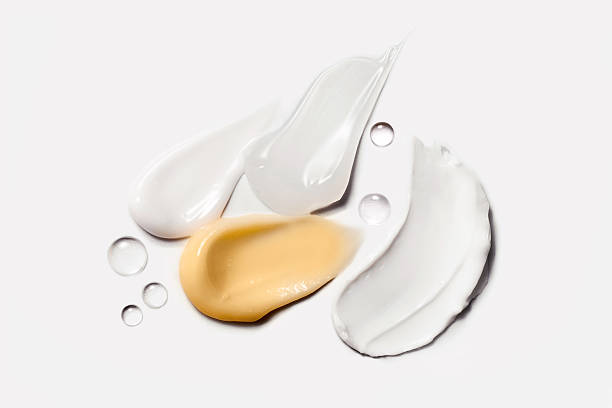
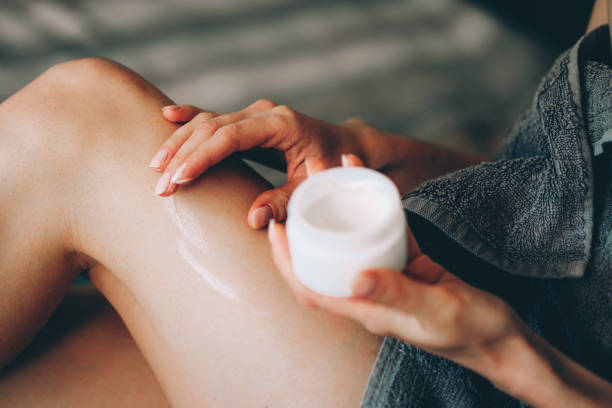
Next, double down on moisture. Your skin is losing water faster than it used to, so a lightweight gel moisturizer won’t cut it anymore. Look for something richer that contains ceramides, which are the lipids that help hold your moisture barrier together. Apply it while your skin is still slightly damp from washing or toning so you can lock in that extra hydration. If you’re feeling really dry, add a facial oil on top. Squalane is a fantastic option because it mimics your skin’s natural oils and won’t clog pores. Just press a few drops over your moisturizer at night and wake up to a softer, calmer face.
Now, about your actives. You don’t have to stop retinol, but you do need to handle it with care. Perimenopausal skin is more sensitive, so consider backing off to every other night if you notice redness or peeling. You can also try a “sandwich” method, applying a light layer of moisturizer, then retinol, then another layer of moisturizer. This buffers the active ingredient while still giving you the wrinkle-smoothing benefits. Same rule applies for exfoliating acids. That weekly AHA peel you used to love? It might be too much right now. Dial it down to once every ten days, or switch to a gentle enzyme mask that dissolves dead skin without scrubbing.
And let’s talk about the one step you absolutely cannot skip: sunscreen. Estrogen loss makes your skin more vulnerable to UV damage, which means those dark spots you’ve been avoiding? They’re more likely to show up now. You need a broad-spectrum SPF 30 or higher, but texture matters more than ever. Many mineral sunscreens with zinc oxide can feel drying, so look for a formula that doubles as a moisturizer or has ingredients like niacinamide to keep your skin calm. Apply it every morning, even if you’re just working from home or running errands. Inconsistent sun protection is a bigger wrinkle driver than any hormonal shift.
One more thing that often gets overlooked: your neck and chest. When estrogen drops, collagen loss affects those areas even faster than your face. So whatever you put on your face, take it down to your collarbone. That includes moisturizer, retinol, and sunscreen. Think of it as one continuous canvas that deserves the same love.
Here’s the mindset shift that will save you money and frustration: perimenopause isn’t a problem to fix. It’s a new phase that calls for a new routine. Your skin isn’t betraying you; it’s simply changing. And you have every tool you need to meet that change with grace. Be a little gentler, a lot more hydrating, and uncompromising with sun protection. Give your skin a few weeks to adjust to any new products, and don’t panic if it doesn’t respond overnight. You’re not starting from scratch. You’re just rewriting the rules.
Remember that bright, dewy look from your thirties? It’s still possible. It just comes from a richer moisturizer, a smarter approach to exfoliation, and a serious commitment to your SPF. Your skin has gotten you this far. Treat it like the partner that’s navigating a tricky transition with you, not an enemy to conquer. A little patience and a few tweaks are all it takes to feel like yourself again, even as your hormones do their own thing. You’ve handled bigger changes than this. Your skin will catch up.