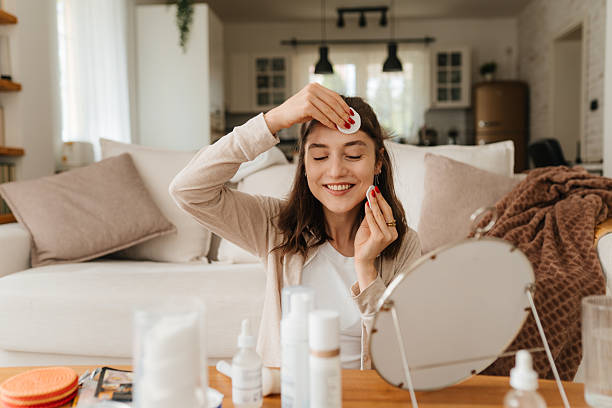
One morning you look in the mirror and your cheeks seem thinner. Or your usual moisturizer sits on top of your skin instead of sinking in. Maybe you’ve noticed fine lines that used to disappear after a good night’s sleep now stick around like uninvited guests. This isn’t in your head, and it’s not a sign you’re doing something wrong. It’s your skin reacting to a very real shift happening inside your body, and understanding that shift is the first step to getting your glow back.
Perimenopause is the years leading up to your final period, and for many women it starts in their late 30s or early 40s. During this time, your ovaries begin to produce less estrogen and progesterone, and that matters for your skin more than you might think. Estrogen is like a personal trainer for your skin. It keeps collagen production humming, maintains moisture levels, and helps your skin repair itself. When estrogen starts to dip, collagen production slows down dramatically. In fact, studies show that women can lose up to 30 percent of their skin’s collagen in the first five years of perimenopause. That’s why your skin feels less bouncy, why pores look larger (because supporting structures are weakening), and why those laugh lines aren’t laughing anymore.
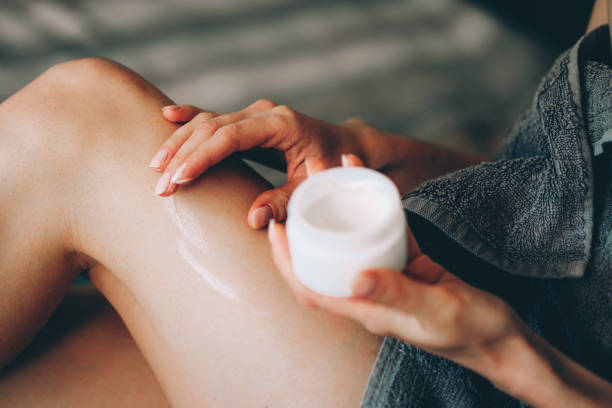
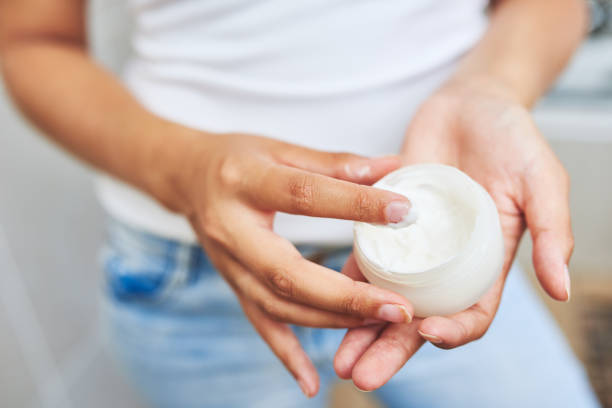
But here’s the good news: you don’t have to just accept this. Your skin is highly responsive to what you do, and small tweaks to your routine can make a huge difference. First, think about layering hydration like you would a good outfit. During perimenopause, your skin barrier becomes more fragile, which means water escapes more easily. That’s why your moisturizer suddenly feels inadequate. Look for products with ceramides, hyaluronic acid, and glycerin. Apply a hydrating serum on damp skin, then lock it in with a richer cream. Yes, richer. If your skin feels tight after cleansing, your current moisturizer isn’t pulling its weight. Don’t be afraid of facial oils either—squalane and jojoba are lightweight and mimic your skin’s own natural oils.
Next, step up your retinol game, but do it smartly. Retinol is the gold standard for boosting collagen, and during perimenopause it becomes almost non-negotiable. If you’ve been using a low-strength retinol, consider moving to a slightly higher concentration, but only if your skin handles it. Start every other night, buffering with a layer of moisturizer first if you feel irritation. And never skip SPF during the day, because retinol makes your skin more sun-sensitive. Speaking of SPF, this is the time to get serious. Sun damage accumulates, and it amplifies the collagen loss from perimenopause. A broad-spectrum sunscreen with at least SPF 30, applied every single morning, is your best anti-aging tool. Think of it as the seatbelt for your skin.
You also want to pay attention to what you eat, because collagen needs raw materials. Protein is non-negotiable. Aim for a palm-sized portion of lean protein at each meal. And consider adding vitamin C to your morning routine, both in your diet and on your skin. A vitamin C serum in the morning, under your sunscreen, helps stabilize collagen and brightens that dullness that often creeps in during perimenopause. Oranges, bell peppers, and broccoli are great for the internal version, but a topical serum delivers a more concentrated dose right where you need it.
Now, about that sudden dryness that no amount of water seems to fix. Hormonal changes also affect your oil glands. They produce less sebum, which means your skin’s natural slip and shine start to fade. This is why you might notice more flaking around your nose or a tightness after washing. Switch to a gentle, non-foaming cleanser that doesn’t strip your skin. Look for words like “cream” or “milk” cleanser. And remember that washing your face is the least important part of your routine—do it quickly and with lukewarm water, not hot.
One more thing that often surprises women: your skin’s pH changes during perimenopause, making it more alkaline. This can mess with your acid mantle, which is your skin’s protective barrier. You might find that your skin reacts to products it used to love, becoming red or itchy. This is normal. Simplify your routine. Cut out harsh exfoliants and strong astringents. Instead, use a gentle chemical exfoliant like lactic acid or PHA once or twice a week to slough off dead skin cells without irritation. And give your skin time to adjust to any new product—at least two weeks before you judge it.
Finally, don’t underestimate the power of sleep and stress management. Perimenopause often brings night sweats and insomnia, and poor sleep wreaks havoc on skin repair. Your skin heals at night when cortisol levels drop and melatonin rises. If you’re not sleeping well, patch things up with a targeted overnight mask or a silk pillowcase to reduce friction. And find a way to lower stress, even if it’s just ten minutes of deep breathing before bed. High cortisol breaks down collagen, so protecting your mental space is protecting your face.
Remember, perimenopause isn’t a problem to solve. It’s just a phase where your skin needs a different kind of attention. The women who look great in their 50s aren’t lucky—they’re consistent. They’ve adapted their routines, embraced richer moisturizers, never skipped sunscreen, and treated their skin with patience instead of panic. You already have the product intelligence and the discipline. Now you know exactly why your skin is changing and what to do about it. That’s power, and it will show on your face.