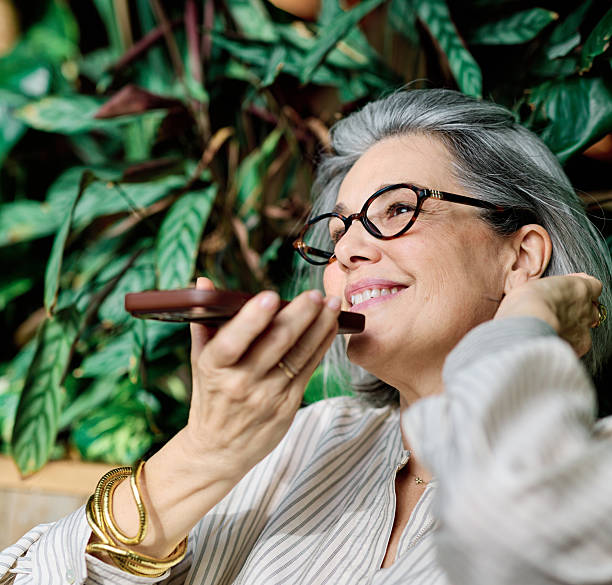
You know that feeling when you look in the mirror and your skin just looks... off? Not wrinkled exactly, not dry exactly, but not the skin you woke up with last year. That’s perimenopause for you. It’s not a disease. It’s a phase. And it does weird things to your face. The good news? You’re not losing your mind. Your skin is actually changing. The even better news? You can do something about it without relocating to a lab or spending your entire paycheck on a jar of miracle goo.
Here’s the deal. Your skin has always been good to you. It stayed plump. It bounced back. It absorbed your favorite moisturizer like a sponge and asked for seconds. Then perimenopause shows up and flips the script. Hormones start fluctuating, and your skin literally acts like it forgot how to do its job. The most common change? Moisture leaves. You might feel tightness after washing your face. Or you notice that the fine lines around your eyes aren’t just “laugh lines” anymore—they actually show up by noon. And your foundation? It settles into every crease like it’s trying to draw a map of your face.
Don’t panic. This isn’t a punishment. It’s a repositioning. Here’s what’s happening: your natural oil production drops. That thin protective layer that kept everything sealed in gets weaker. So even if you’re drinking eight glasses of water a day and using a hydrating serum, the water just evaporates out of your skin. That’s why your old routine doesn’t work anymore. The lightweight gel moisturizer you wore through your twenties? It’s now basically a fancy glass of water on a hot sidewalk. The cleansing milk that felt so fresh in the morning? It’s stripping away the tiny bit of oil you’ve got left. You haven’t chosen poorly all these years. Your skin just changed the rules.
So what do you do? First, retire the gel moisturizers. If a product doesn’t feel like a hug on your face, it’s not enough. Look for something creamier. You don’t need to decode the ingredient label for alien chemicals. Just look for words like “shea butter” or “squalane” or simply “for dry skin.“ And here’s a trick: apply it while your face is still damp. Right after you wash, pat your skin dry until it’s a little dewy, then slather on that rich moisturizer. This traps water right where you need it. It’s like putting a lid on a pot of soup before it cools off.
Next, add a facial oil. Not some fancy blend with seventeen essential oils that smells like a spa. We’re talking a simple, boring oil. Jojoba or squalane. Two drops, warmed between your fingers, pressed gently onto your cheeks and forehead. This gives your skin extra lipids to patch up that barrier. Your face will feel softer within a week. Seriously. And it’s not greasy if you use the right amount. Your skin will drink it up and look like it just had a good night’s sleep—even if you didn’t.
Now, about exfoliation. Yes, you still need it. Dead skin cells pile up faster when your hormones are doing the tango. But you have to be gentle. That apricot scrub from college? Leave it in the past. Perimenopausal skin is more sensitive. Instead, use a soft chemical exfoliant—words like “lactic acid” or “mandelic acid.“ And only once a week. Over-exfoliating makes dryness worse because it strips away those rare, precious oils you’re trying to keep. Think of it like buffing a silk blouse. You don’t use sandpaper. You use a soft brush and a gentle touch.
You might also see breakouts. Yes, adult acne in perimenopause is a real thing. Hormones do this weird topsy-turvy with your oil glands. So you get dry cheeks and an oily chin or jawline. It’s confusing and deeply annoying. But please don’t go nuclear with harsh acne treatments. That’s a recipe for a red, flaky disaster. Instead, spot-treat with a tiny bit of sulfur or a drop of tea tree oil mixed into your moisturizer. And keep your skin barrier strong—that’s the top priority. The breakouts will eventually calm down if you’re not stripping your face.
Don’t forget the everyday stuff either. Wash your face with lukewarm water, not hot. Hot water is like a thief that steals your oils. Also, get a humidifier for your bedroom. Perimenopause dries out your skin while you sleep, especially in winter. A small machine that puts moisture back in the air makes a noticeable difference. Your skin wakes up feeling less taut, less crepey, more like itself.
The thing to remember is that this phase isn’t forever. Your skin is adjusting to a new normal. And honestly, it’s a normal that can look pretty good if you meet it halfway. You don’t need to overhaul your entire life. Just swap a few products, tweak your routine, and pay attention to what your face is telling you. Because your skin isn’t trying to betray you. It’s just asking for a little more care. And you’re exactly the kind of person who can give it that—without the drama, without the excess, and without forgetting that you’re still the one in charge.