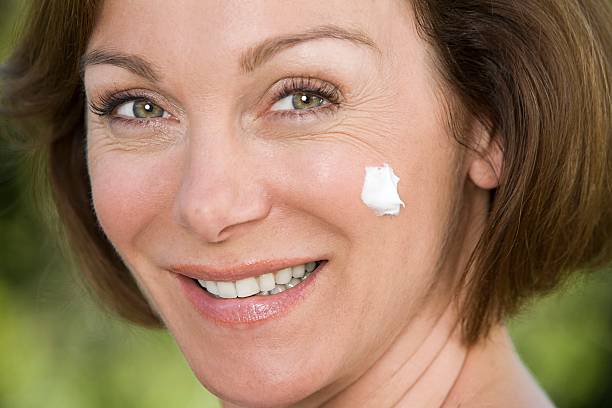
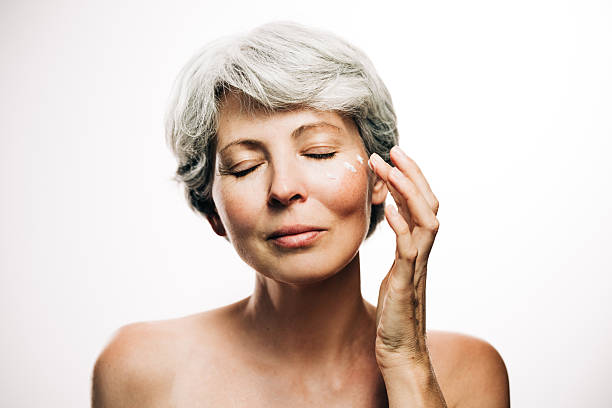
After menopause, you might look in the mirror and notice something that wasn’t there a few years ago. It’s not just a wrinkle or two. It’s the whole shape of your face starting to shift. The cheeks look a little flatter. The jawline isn’t as crisp. And those lines from your nose to your mouth seem deeper, like someone drew them with a heavier hand. This isn’t in your head. Your skin’s foundation is changing, and it has everything to do with what’s happening beneath the surface.
Think of your face like a tent. The skin is the canvas. What holds it up are the poles and stakes—the collagen, elastin, and fat that give it structure. During and after menopause, your body produces less estrogen, and that hormone was doing heavy lifting for your skin. It helped keep collagen thick, elastin springy, and fat evenly distributed. When levels drop, those support systems start to weaken. Collagen production slows down significantly in the first five years after menopause. Fat pads that once sat high on your cheekbones start to migrate downward or shrink, which is why you suddenly see hollows under your eyes or a puffiness near your jowls that wasn’t there before. Bone density in your face also decreases, especially around the jaw and eye sockets, which means even your skeleton is quietly losing a bit of its scaffolding.
So what do you actually do about all this? You can’t rewind the clock, but you can absolutely work with the structure you have. The first step is adjusting your mindset from “erase the lines” to “support the frame.” That shift changes everything about how you treat your skin.
Let’s start with what you put on your face. Look for products that encourage your skin to rebuild its own support. Vitamin A—often listed as retinol or retinaldehyde—is like a personal trainer for your collagen. It tells your skin cells to speed up their renewal cycle and boosts collagen production. If you haven’t used it before, start with a low strength every other night and build up. Another smart ingredient is vitamin C, but not just for brightness. It’s a necessary co-factor when your skin tries to make new collagen, so applying it in the morning gives your building blocks a steady supply. Peptides are also useful here. They’re little protein fragments that signal your skin to produce more collagen and elastin. They won’t give you a facelift in a jar, but they’ll help maintain firmness if you’re consistent.
Beyond active ingredients, think about hydration from the inside out. Your topically applied moisturizer is important, but after menopause, your skin loses its natural ability to hold water. Ceramides and glycerin are your friends—they patch up the barrier so moisture doesn’t escape. Drink enough water, yes, but also eat for your skin. Protein is the raw material for collagen, so make sure you’re getting lean sources throughout the day. Vitamin C from citrus or bell peppers and zinc from shellfish or nuts will help your body use that protein effectively. And don’t forget omega-3s from fish or flaxseed—they reduce inflammation, which is a silent saboteur of structural integrity.
Sun exposure is the single fastest way to wreck whatever collagen you have left. Even if you’ve been good about sunscreen, post-menopausal skin is more vulnerable because it’s already losing its repair capacity. So make sunscreen non-negotiable. Broad spectrum, SPF 30 or higher, every morning, even when it’s cloudy. Reapply if you’re outdoors. This isn’t just about preventing new wrinkles—it’s about stopping the breaking down of the scaffolding you still have.
Now, for the structural shifts that are already there. This is where you have to be honest about what skincare can and cannot do. A jar of cream isn’t going to lift a drooping jowl or replace lost cheek volume. But there are minimally invasive options that work really well for this, and many women in your age group use them. Dermal fillers, made from hyaluronic acid, can restore volume to areas like your cheeks, temples, and the folds around your mouth. They give your skin something to rest on, which immediately softens shadow lines. Meanwhile, neurotoxins like Botox aren’t just for forehead wrinkles. Small placements along the jaw can relax the muscles that pull your lower face down, making the jawline look smoother and less jowly. And there are newer treatments like ultrasound or radiofrequency that tighten skin by heating the deeper layers and encouraging collagen contraction. These aren’t surgeries, but they do require a skilled injector or dermatologist. If you’re considering any of these, do your research. Find someone who treats faces holistically, not just individual wrinkles. A good doctor will look at your whole structure and tell you which approach gives the most natural result.
Don’t underestimate the power of daily habits either. Sleeping on your back is a great habit to prevent sleep creases from etching into your face. Exercising—yes, even facial exercises—can help support muscle tone, but be careful not to create more tension. And managing stress matters because cortisol breaks down collagen. Find ways to decompress that don’t involve scrunching your face.
Here’s the part nobody tells you: post-menopausal skin has a different normal. It’s thinner, drier, and more prone to sagging—but it’s also often less oily and breakout-prone, which makes it easier to tolerate active ingredients. You can have genuinely healthy, attractive skin at this stage. It just needs a different kind of attention. Instead of fighting the changes, you’re adapting to them. You’re reinforcing the frame, filling in the hollows, and smoothing the surface. That’s not about chasing youth. It’s about making sure the face you have looks as good as it possibly can—for you.