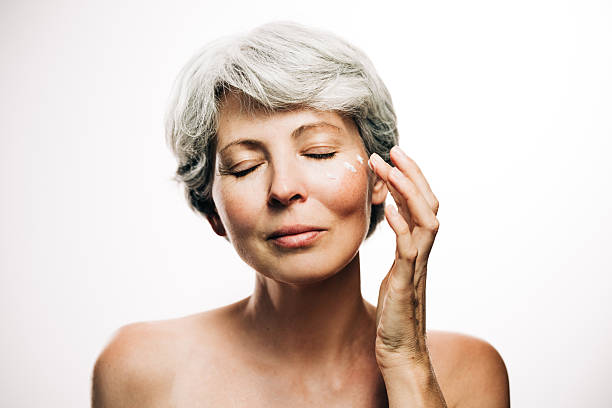
You know that moment. You’re washing your face at night, and you catch a side glance in the mirror. Something looks different. Not wrinkled exactly, but softer. Less defined. Your cheeks have lost a bit of their roundness, and there’s a faint hollowness under your eyes that no amount of concealer can hide. This isn’t in your head. After menopause, your face undergoes structural changes that go far beyond surface lines. The good news? Understanding what’s actually happening makes those changes a lot less scary—and gives you a real plan to work with them.
Think of your face as a well-built house. The bones are the frame. The fat pads are the insulation. The skin is the siding. After menopause, that frame starts to shrink because bone density decreases, particularly around your eye sockets and along your jawline. The insulation—those soft fat pads that made you look youthful in your twenties—loses volume and migrates downward. And the siding? Your skin produces much less collagen and elastin once estrogen levels drop, so it gets thinner and less elastic. All three shifts happen at once, which is why you see a sudden acceleration in sagging and hollowness rather than just a few new wrinkles.
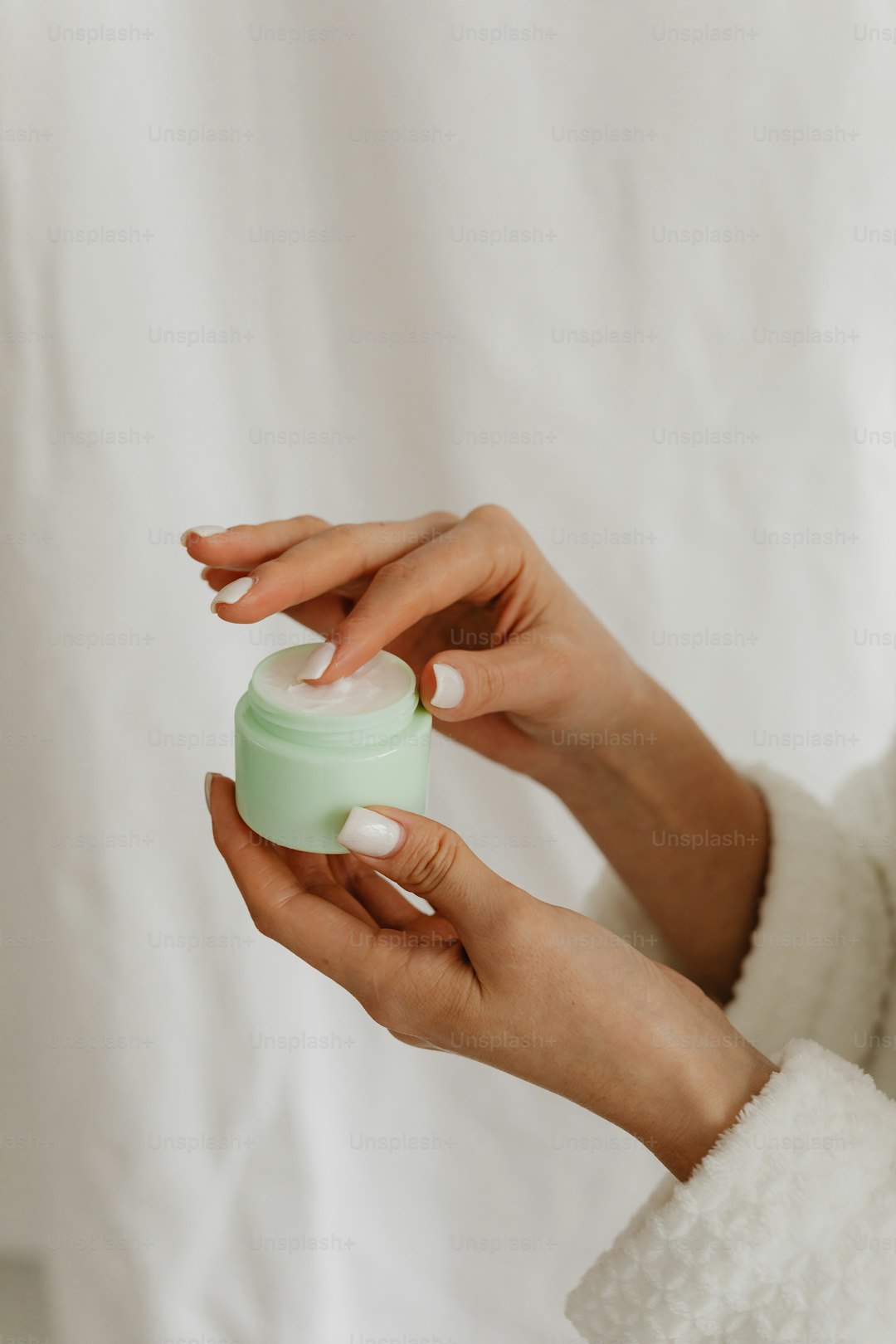
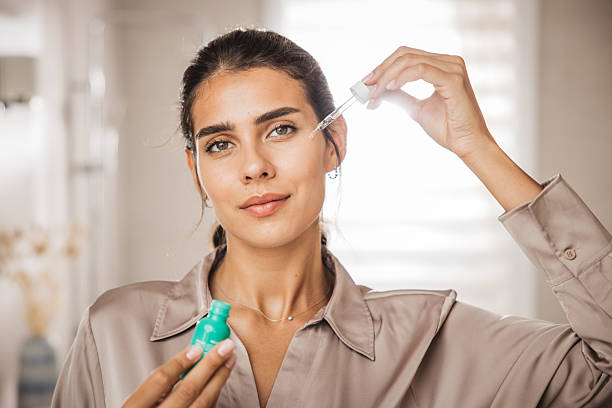
Here’s the part most beauty articles skip: you can actually do something about all three layers. Start with your skincare, but be strategic. Instead of buying every serum that promises instant firming, focus on ingredients that build collagen over time. Peptides are excellent because they’re like tiny messengers that tell your skin cells to produce more structural protein. Retinol is another powerhouse—it speeds up cell turnover and thickens the deeper layer of your skin. And never underestimate simple hydration. A moisturizer with glycerin or ceramides won’t add volume, but it will plump the surface, which makes those deeper shadows less obvious. And that’s the foundation for everything else.
Now, have you ever thought about exercising your face? You do it for your abs, so why not for your cheeks? Facial muscles are just like any other muscles—they lose tone with age. That’s where facial massage comes in. Using your fingers or a gua sha tool, spend five minutes each night moving from the center of your face out toward your temples and down your neck. Keep the pressure gentle but firm. This boosts circulation, drains lymph fluid that can make your face look puffy, and wakes up those muscles. Over time, this helps the fat pads sit better and keeps your jawline from going completely slack. It’s not a miracle, but it’s a daily investment. It’s a small habit with a big payoff.
Don’t forget that your face is attached to your body. Strength training twice a week—think squats, lunges, or resistance band rows—does more than tone your legs and back. It improves your overall hormone balance and increases blood flow to every organ, including your skin. That means more oxygen and nutrients reaching your facial tissues. Plus, stronger upper back muscles naturally pull your shoulders back and your chin up. Good posture instantly makes your jaw look sharper because the skin under your chin isn’t being squished into a double crease. And watch your diet: your body needs protein for collagen repair. Eggs, chicken, fish, beans, Greek yogurt—aim for a palm-sized serving at every meal. Healthy fats like avocados and olive oil keep your skin’s barrier resilient, so it doesn’t dry out and emphasize existing hollows.
Finally, adapt your daily habits to respect your changing structure. Sleep on your back when you can, or at least use a silk pillowcase, so your face doesn’t get pressed into folds overnight. Wear sunscreen every single morning—even when it’s cloudy—because UV rays destroy collagen at an alarming rate. And manage stress, because cortisol is a collagen killer. But the most important shift is mental. These changes don’t mean you’re falling apart. They mean you’re a woman who has lived through another season of life. The goal isn’t to freeze your face at thirty. It’s to be the healthiest, most vibrant version of yourself at whatever age you are right now. So do the massage, eat the protein, wear the sunscreen, and stand tall. Your face will thank you.