You’ve kept up your routine, used the serums, maybe even tried a few treatments. Then one morning you catch yourself in a certain light and realize: your face doesn’t quite fit itself anymore. The cheeks look a little flatter, the line from nose to mouth has deepened, and there’s a softness along your jaw that wasn’t there before. This isn’t about wrinkles. This is about structure. After menopause, your face is literally changing shape from the inside out, and if you don’t understand why, you’ll keep chasing the wrong fixes.
Think of your face like a sofa you’ve owned for decades. The fabric might still look okay, but the springs underneath are what hold everything up. Those springs are your bones, and the padding is your facial fat. Estrogen, the hormone that takes a nosedive after menopause, was quietly in charge of keeping those springs tight and that padding plump. When it drops, your bones slowly shrink and shift, particularly around your cheekbones and jaw. Meanwhile, the fat pads that once sat high and round begin to thin and slide downward. Skin, which also relied on estrogen to keep collagen and elastin busy, becomes less stretchy and a bit lax. So you end up with less frame, less cushion, and a cover that’s a little too big for what’s inside. That’s why jowls form and why your undereyes look hollow. No cream alone can fix a missing foundation.
But before you spiral into doom-scrolling for a facelift, know this: you have more control than you think. The smartest approach isn’t to try to erase every change. It’s to give your face’s support system something better to work with. Start by being brutally honest about sun protection. The collagen you have left is precious, and the sun is its biggest enemy. Use a mineral SPF 30 or higher every single day, even when it’s cloudy. This isn’t just about preventing new lines; it’s about stopping your skin’s deeper framework from breaking down even faster.
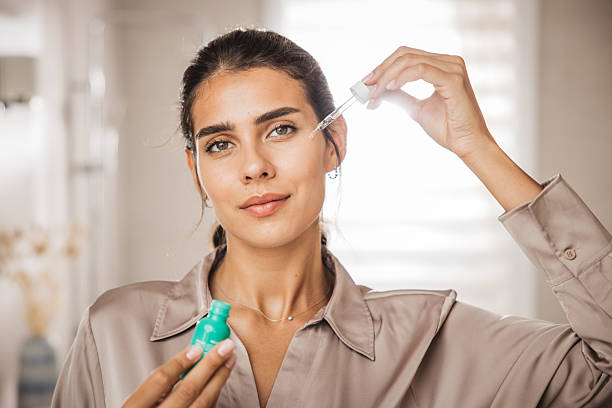
Next, think about what you put on your skin at night. You don’t need a fridge full of fancy gadgets, but you do need ingredients that talk to your cells. Prescription retinoids are still the gold standard for a reason. They tell your skin to behave like a younger version of itself, boosting collagen production and speeding up cell turnover. If that feels too harsh, a high-quality over-the-counter retinol is a fine backup. Pair that with a peptide moisturizer. Peptides are like little messaging chips that say, “Hey, rebuild this area.” They’re not instant, but over six months they genuinely help tighten the latticework of your skin.
Now, let’s talk about what goes in your body. Collagen synthesis needs protein, vitamin C, and healthy fats. You can spend a fortune on fancy supplements, but a steady diet of eggs, fish, citrus, and olive oil does the heavy lifting. Don’t underestimate water, either. Your skin’s plumpness isn’t just about fat; it’s also about hydration. Think of each cell as a grape. A full grape is firm and round. A raisin is not. Drink enough so that your skin doesn’t have to compete with your organs for moisture.
There’s one more structural change that doesn’t get enough attention: your posture and sleep position. When you constantly slump over your phone or sleep on your face, you’re physically pressing those weakened soft tissues into creases. It’s like leaving a fold in a leather jacket every night. Try to sleep on your back as much as possible, even if it means propping yourself with pillows. And when you’re scrolling in bed, hold the screen up higher so you’re not craning your neck, which shortens the front of your throat and deepens the shadow under your chin.
Finally, ignore anyone who tells you to just “accept the changes.” Acceptance is different from giving up. You can accept that your face is maturing while still insisting on a skincare routine that builds support from the outside in. Look for tools like facial massage or gentle gua sha. They won’t lift muscle, but they can reduce puffiness and help drainage, which makes your face look sharper. Do it before you apply your moisturizer so the product has a fresh, moving canvas to sink into.
Here’s what not to do: waste money on products that promise to “instantly lift” or “tone” through ingredients alone. Structural changes need structural support. That means acting consistently for at least three months before judging any routine. Your bone structure won’t rebuild to how it was at 25, but your skin can absolutely get denser, firmer, and more resilient. You’re not fighting nature. You’re just giving nature better materials to work with.
The mirror after menopause isn’t a warning. It’s a map. The hollows and soft spots are telling you exactly where you need more support. Listen to that. Protect your skin from the sun, cue your collagen with a retinoid, feed your body the building blocks, and stop squashing your face while you sleep. Do that, and you’ll not only look better, you’ll feel like the one who’s still in charge of your face.