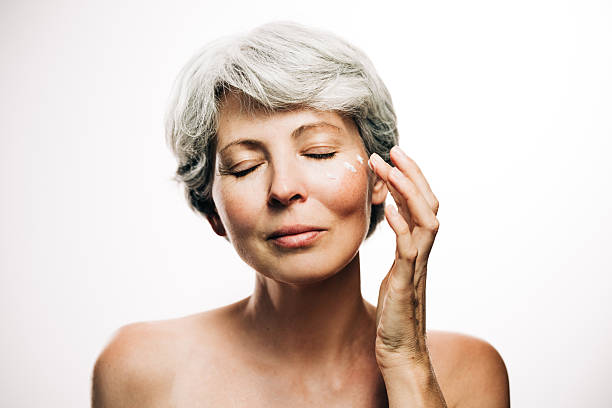
Menopause, a natural biological transition marking the end of a woman’s reproductive years, initiates a profound shift within the body that extends far beyond hot flashes and hormonal fluctuations. One of the most visible and personally significant arenas of this change is the skin. As estrogen levels decline, the skin’s very architecture is altered, necessitating a fundamental re-evaluation of skincare needs and routines. This hormonal shift moves the goalposts, demanding a shift from prevention to active restoration and protection.
The cornerstone of this transformation is the dramatic drop in estrogen, a hormone vital for skin health. Estrogen stimulates the production of collagen and elastin, the proteins responsible for skin’s plumpness, firmness, and elasticity. It also supports the skin’s barrier function and its ability to retain moisture. As this hormonal support wanes, the consequences become apparent. Collagen production can plummet by as much as 30% in the first five years after menopause, leading to a loss of skin density and the emergence of fine lines and wrinkles that appear deeper and more pronounced. Simultaneously, the skin’s ability to produce natural lipids and hyaluronic acid diminishes, compromising its barrier. This results in skin that is not only drier but also more reactive and sensitive, as irritants can penetrate more easily. The once-balanced complexion may now feel persistently tight, flaky, or prone to redness.
Furthermore, menopausal skin often experiences a perplexing combination of dryness and adult acne or increased oiliness in certain areas, such as the T-zone. This is due to the changing ratio of estrogen to androgen hormones like testosterone, which can become relatively more dominant. This imbalance can stimulate sebum production, leading to clogged pores and breakouts, a frustrating development for many who have long since left adolescent acne behind. The skin’s texture may also change, appearing thinner and more translucent, with blood vessels becoming more visible. Additionally, the decline in estrogen affects the skin’s wound-healing capacity and its resilience against environmental stressors like pollution and UV radiation, making sun protection more critical than ever.
Therefore, a menopausal skincare strategy must pivot to address these specific, multifaceted challenges. The new imperative is intensive hydration and barrier repair. This means incorporating richer, more emollient moisturizers that contain ceramides, fatty acids, and cholesterol to reinforce the skin’s lipid barrier. Hyaluronic acid, which can hold up to a thousand times its weight in water, becomes a key ingredient for drawing and retaining moisture within the parched skin. Gentle, non-stripping cleansers are essential to avoid further compromising the delicate barrier, replacing harsh foaming formulas with creamy or oil-based alternatives.
Beyond hydration, targeted treatments to boost collagen and improve skin resilience are paramount. Ingredients like retinoids, which encourage cellular turnover and collagen synthesis, vitamin C, a potent antioxidant that brightens and protects, and peptides, which signal the skin to produce more collagen, become valuable allies. However, given the increased sensitivity, these potent actives should be introduced gradually and with careful monitoring. Most fundamentally, daily broad-spectrum sunscreen with an SPF of 30 or higher is non-negotiable. It is the single most effective product to prevent further collagen degradation and protect the vulnerable skin from accelerated photoaging.
Ultimately, navigating skincare during menopause is about embracing a new philosophy. It is a shift from a one-size-fits-all approach to one of compassionate adaptation, acknowledging the skin’s evolving needs. This phase calls for products that nourish, strengthen, and protect with a heightened level of care. By understanding the internal hormonal narrative and responding with a tailored, conscientious routine, it is entirely possible to support the skin through this transition, fostering a complexion that reflects not just the passage of time, but also wisdom, care, and resilience.