You know that feeling when your face feels tight after washing, or a little stingy when you put on your moisturizer? That’s not just dryness. That’s your skin barrier waving a tiny white flag. Think of your barrier as a brick-and-mortar wall on the surface of your skin. The bricks are your skin cells, and the mortar is a mix of ceramides, fatty acids, and cholesterol. That wall does one very important job: it keeps the good stuff in (water) and the bad stuff out (pollution, bacteria, and anything else that might irritate). When that wall is strong, your skin looks smooth, bouncy, and yes, younger. When it’s weak, you get flakiness, redness, or breakouts that just won’t quit. And here’s the kicker: many of the anti-aging products we love can accidentally break down this wall.
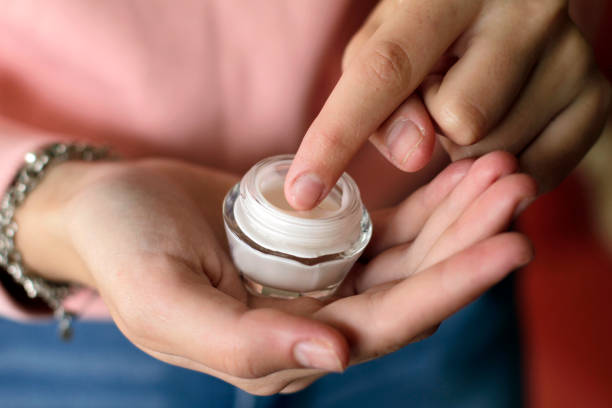
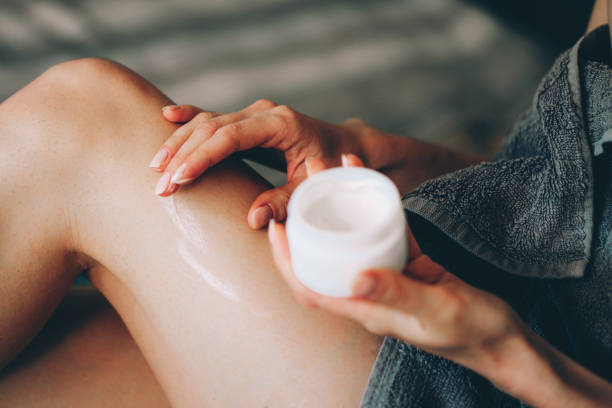
So let’s talk about what actually keeps your barrier happy. First, moisture isn’t just a nice-to-have. Your barrier literally depends on water because the enzymes that produce your natural protective lipids need hydration to function. When your skin is dehydrated, it slows down production of those fats. Over time, that makes your barrier thinner and less effective. Which is why you can slather on serums all day and still feel dry – you might be skipping the one ingredient that helps your skin hold water in the first place. Look for humectants like glycerin and hyaluronic acid. They pull water into the outer layers of skin. Then, lock that water in with an occlusive like squalane or a lightweight lotion with ceramides. Basically, you need both: a drink and a lid. Otherwise, you’re just pouring water into a sieve.
Now, let’s address the elephant in the room – or on your bathroom counter. Exfoliating. It’s so tempting to scrub away every dull flake, but over-exfoliation is the fastest way to wreck your barrier. Physical scrubs with crushed nutshells or those rough mitts can create micro-tears. Chemical exfoliators like AHAs and BHAs are just as powerful, especially if you’re using them every single night. Your barrier needs time to rebuild, and that means giving it a few nights off. A good rule of thumb? Exfoliate two to three times a week, max. And always follow with a hydrating moisturizer. If your skin feels tight after exfoliating, you overdid it. Listen to that. Your skin isn’t being dramatic – it’s telling you to back off.
Also, watch your cleanser. If your face feels squeaky after you wash it, that’s not clean. That’s stripped. It means you removed the natural oils that your barrier desperately needs. Swap your harsh foaming cleanser for a gentle cream or gel one. It should remove makeup and sunscreen without leaving your skin tight. If you’re not sure, try this quick test: rinse your face with water alone in the morning and see how it feels. That’s your skin’s natural baseline. Then find a cleanser that leaves you feeling close to that – not like you just washed with dish soap.
What about the environment? Sun is the number one enemy of your barrier. UV rays don’t just break down collagen; they also damage the lipids in your skin. It’s like leaving a brick wall out in a storm every single day. So sunscreen isn’t just anti-aging – it’s barrier protection. You need a broad-spectrum SPF 30 or higher, every day, even when it’s cloudy. And inside? Air conditioning and heating can zap humidity right out of your skin. A humidifier in your bedroom while you sleep can make a surprising difference. Your skin does its best repair work overnight, so give it the right conditions. Keep your pillowcase clean – silk helps reduce friction, by the way – and skip the heavy slugging layers if you’re acne-prone. A thin layer of a ceramide lotion is plenty for most of us.
Let’s not forget what you eat, because your barrier is built from within. Healthy fats like omega-3s from salmon, walnuts, and flaxseeds provide the building blocks for your skin’s lipid barrier. Antioxidant-rich fruits and veggies help neutralize the free radicals from UV and pollution that would otherwise break down barrier lipids. And don’t underestimate plain old water. It won’t magically hydrate your skin from the inside out, but chronic dehydration definitely shows up in your complexion. Aim for enough that you’re not thirsty, and your skin will thank you.
Finally, watch your hands. We touch our faces a lot – dozens of times a day without noticing. Each touch transfers oils, bacteria, and whatever else you’ve picked up, which can trigger inflammation. Inflammation is public enemy number one for barrier health. Try to be more mindful of your hands, and always use clean hands for your skincare routine. Also, keep your phone screen clean, because that’s a major culprit for jawline breakouts that can stress your barrier.
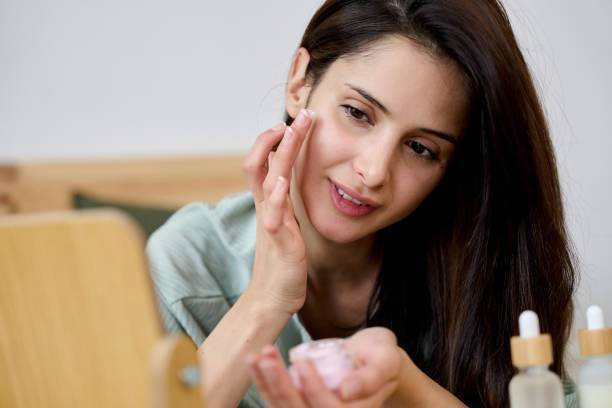
Here’s the practical takeaway. You don’t need a 12-step routine. You need a simple, consistent one that respects your natural barrier. Gentle cleanse, hydrate, protect with SPF during the day. At night, cleanse, add a ceramide-rich moisturizer, and not much else. Your barrier is resilient. Give it a few weeks of kinder treatment and you’ll see the glow come back. And with that glow comes fewer fine lines, because a hydrated, healthy barrier plumps up the skin from within. That plumpness temporarily smooths out shallow wrinkles and gives your skin a more youthful look.
So before you buy that next gadget or ultra-potent peel, invest in the basics. Strong skin is the foundation for everything else you do. When your barrier is intact, every product you apply works better and penetrates more evenly. And that’s what healthy aging is really about – not fighting your skin, but supporting what it already knows how to do. Give your barrier the respect it deserves, and it will keep looking out for you for years to come.