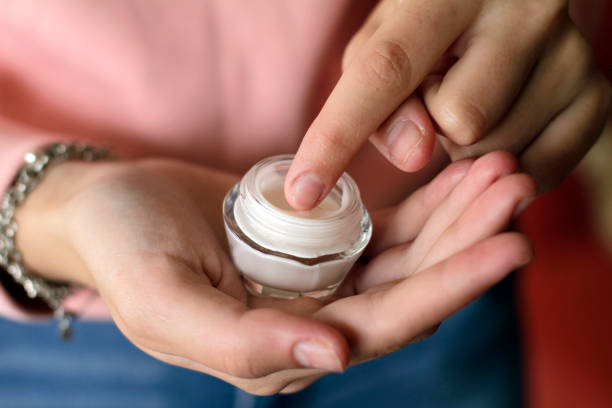
Your skin has a built-in security system. It is the outer layer that keeps moisture in and everyday irritants out. When it is working well, you do not notice it. When it is not, you feel tightness after washing, dry patches, stinging with products that used to feel fine, and makeup that sits in places it did not before. That is why the way you cleanse matters more than most people think. Cleansing is supposed to remove sunscreen, makeup, oil, and daily grime. It is not supposed to leave your face feeling stripped, squeaky, or “really clean.” If your cleanser gives you that tight, polished feeling, it is probably doing too much. The goal is comfortable skin, not a clean slate that needs to be rescued.
The most common barrier mistake is overcleansing. Many women wash in the morning, wash again after the gym, and use a cleansing tool at night because it feels thorough. But skin does not need to be scrubbed into submission. For most people, a gentle cleanse at night is enough; in the morning, a splash of lukewarm water or a very mild cleanser is plenty unless you are visibly oily or have been sweating. If your skin is dry or easily irritated, try skipping the morning cleanser for a week and see how your face feels. You may notice less tightness and less need for a heavy cream by noon. You may also notice that your makeup goes on more smoothly, because calm skin reflects light better than flaky, over-washed skin.
Temperature matters, too. Hot water feels great in the shower, but it can leave skin feeling dry and fussy. Use lukewarm water for your face, and keep the steamy shower for your shoulders and back. Avoid scrubbing with rough washcloths, brushes, or gritty cleansers. Your hands are enough. Massage the cleanser in for a few seconds, rinse well, and pat dry with a clean towel. Do not rub. Do not chase every last drop of moisture away and then wonder why your skin feels rough.
The type of cleanser matters as much as the technique. A creamy or lotion cleanser is a good choice for dry or sensitive skin. A mild gel works for oilier skin. Foaming cleansers can be fine, but the foam should not leave your face feeling crisp. Look for labels like gentle, hydrating, or fragrance-free, and be suspicious of anything that promises to “deep clean” every day. Save stronger exfoliating or clarifying products for occasional use, not as your default. If your skin stings when you apply moisturizer, that is not a sign the moisturizer is working; it is a sign your skin is asking for a break.
Barrier-friendly cleansing also makes the rest of your routine work better. When your outer layer is intact, you can tolerate sunscreen and anti-aging products more consistently. You are less likely to skip moisturizer because it feels greasy on irritated skin. You are less likely to blame a product for redness when the real problem is that you removed your skin’s protection twice a day. Wrinkles are not caused by one night of poor cleansing, but daily irritation adds up. Consistent, gentle care supports skin that looks calmer, smoother, and more resilient over time.
At night, remove sunscreen and makeup thoroughly but kindly. If you wear long-wear makeup or heavy sunscreen, use a gentle cleansing balm or oil first, then follow with a mild cleanser if needed. You do not need to repeat the whole process until your cotton pad comes up perfectly white. In the morning, keep it simple. Apply moisturizer while skin is still slightly damp, and finish with sunscreen every day. If your skin feels tight, burning, or flaky, cut back on actives, skip exfoliation, and give yourself a few days of basic cleansing and moisturizing. Your barrier does not need a complicated rescue plan. It needs fewer harsh habits and more consistency. The best cleanser is the one that leaves your face feeling comfortable, not conquered.