You know that tight, squeaky-clean feeling you get right after washing your face? The one that makes you think, “Ah, this is what clean feels like”? Here’s the truth: that feeling is your skin crying out for help. That squeak isn’t a sign of success—it’s the sound of your skin’s natural protective layer being stripped away, layer by layer, wash after wash. And over time, that daily stripping isn’t just uncomfortable. It’s one of the sneakiest ways to create fine lines and wrinkles long before your genes ever get a chance to weigh in.
Think of your skin’s outer surface as a brick wall. The skin cells are the bricks, and the natural oils, fats, and moisture between them are the mortar. This mortar holds everything together, keeps water in, and keeps irritants out. When that mortar is intact, your skin looks smooth, plump, and resilient. But when you wash with harsh, foaming cleansers that strip away those oils, the mortar starts to crumble. Water escapes easily. Irritants like pollution, makeup residue, and even your own sweat sneak in. Your skin gets dehydrated, and dehydration makes every single line and crease look deeper. It’s not magic—it’s simple math. Less protection means more damage, and more damage means more visible aging.
The good news? You don’t need a twenty-step routine or a cabinet full of expensive serums. You just need to start respecting the shield you already have. The first move is to switch to a gentler cleanser. Look for something creamy, milky, or oil-based rather than anything that foams up like dish soap. Foaming agents are often designed to break down grease, and your face isn’t a frying pan. A gentle cleanser removes dirt, sweat, and yesterday’s sunscreen without stealing the lipids that keep your barrier strong. If you’re not wearing heavy makeup or sunscreen, you might not even need to wash in the morning. A splash of lukewarm water and a soft cloth is often enough. Save the full cleanse for bedtime, and even then, be kind.
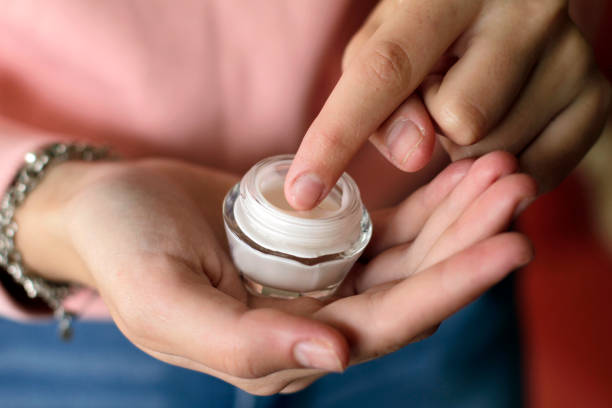
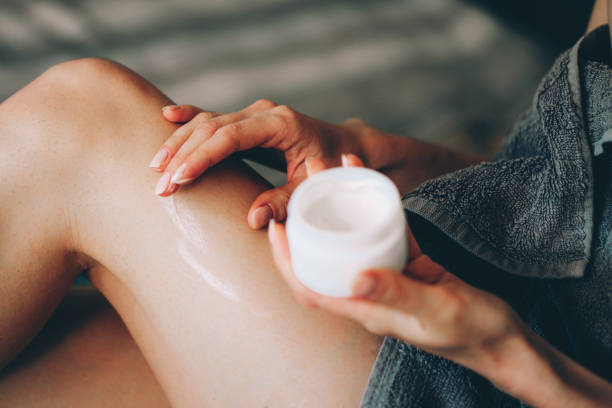
Rubbing your face dry with a towel is another quiet offender. That friction can micro-tear your skin’s surface, weakening the barrier. Instead, pat—don’t drag. Gently press the towel against your skin and let it soak up the water. Then, and this is the important part, apply your moisturizer while your skin is still slightly damp. That dampness is like a magnet for hydration. A moisturizer slathered over damp skin helps trap water in the layers where it belongs, giving your barrier the building blocks it needs to repair itself. Don’t have a fancy moisturizer? Fine. Use a basic one with a few simple ingredients. The key is consistency, not cost. You’re not buying some potion—you’re giving your skin a dependable daily drink.
Now, about sunscreen. Yes, this is going to sound like a broken record, but sunscreen is the single most important thing you can do for your barrier. UV rays break down the collagen and elastin that keep your skin firm, and they also damage the lipids that act as your mortar. Even on cloudy days, even indoors near windows, those rays are doing their thing. A lightweight SPF 30 or higher can shield your barrier from the biggest aging trigger in existence. Think of it as a force field. You don’t feel it, but it’s working every single minute.
You might be wondering: what if I’ve already done years of damage with rough cleansers and skipping SPF? Does it matter now? Absolutely. Your skin barrier is remarkably forgiving. Within weeks of switching to a gentle routine—less stripping, more moisturizing, daily sunscreen—you can rebuild that mortar. You’ll notice less tightness, a calmer complexion, and those fine lines on your forehead and around your eyes will soften because they’re not being exaggerated by dryness anymore. You’re not turning back time; you’re just giving your skin what it’s been begging for all along. Prevention isn’t about expensive products. It’s about not breaking what’s already working. So tonight, when you wash your face, do it like your future skin is watching. Because it is.