You’ve got a routine that would impress a professional esthetician. Vitamin C in the morning, retinol at night, a chemical exfoliant three times a week, and a whole cabinet dedicated to serums, essences, and ampoules. Yet somehow, your skin looks... angrier than ever. Tight. Flaky in spots. Breaking out in weird little bumps that won’t come to a head. Sound familiar? That’s not your products failing you. That’s your skin’s protective layer - the one thing standing between you and any irritation, pollution, or weather - screaming for a timeout.
Think of your skin barrier as that friend who bounces at a busy club. It decides what gets in and what stays out, and it makes sure you don’t lose all your natural moisture in the process. When it’s strong, your face feels bouncy, calm, and well-hydrated. But when you bombard it night after night with heavy-duty actives - acids that dissolve dead skin, retinoids that speed up cell turnover, even some brightening serums - you’re basically asking that bouncer to work 24/7 with no bathroom break. Eventually, the doors get jammed. Water escapes. Irritants sneak in. And every product you apply starts to sting, which you might mistake for it “working.“ It isn’t. It’s a warning.
Here’s the thing about healthy skin: it doesn’t respond to more. It responds to consistency and respect. The smartest women in skincare don’t use every strong ingredient every single day. They use actives strategically, and they give their barrier regular recovery days. This isn’t a new-age “let your skin breathe” trend. It’s basic logic, similar to how you wouldn’t sprint a marathon every morning without rest days - eventually you’d injure yourself. Your skin is no different. It repairs and strengthens during downtime, not while you’re throwing more chemical peels at it.
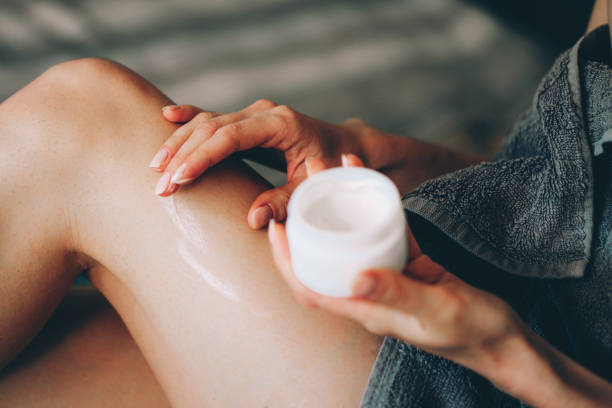
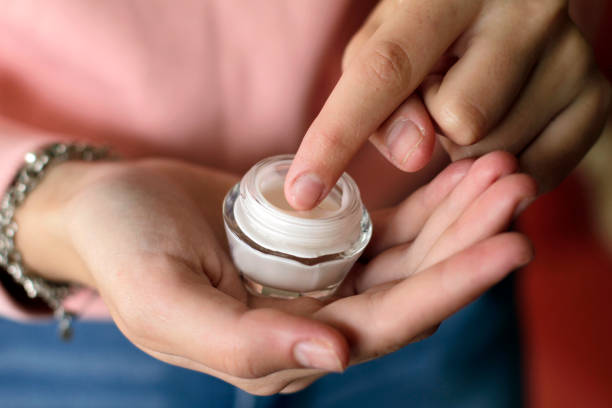
So what does a barrier rest day actually look like? Simple. One or two nights a week, you skip every active ingredient. No retinol. No acids. No vitamin C. No exfoliating pads. Just a gentle cleanse with lukewarm water and a non-stripping cleanser, then a generous layer of a basic, barrier-supporting moisturizer. If you want, add a few drops of squalane or a fragrance-free facial oil to seal everything in. Your face might feel a little heavier or dewier than you’re used to. Good. That’s what recovery feels like.
But let’s talk about the signs that you need more than just one skip day. If your usual moisturizer suddenly makes your face tingle, or if your go-to sunscreen burns on application, those are red flags that your barrier is already compromised. Same goes for redness that lingers after cleansing, or skin that looks dull and crepey no matter how much serum you layer. In that case, don’t just take one day off. Take three or four. Swap your cleanser for an even gentler milky one. Drop all actives for a full week until your skin feels neutral again - no tightness, no stinging, no tight little bumps. Then reintroduce your favorite active slowly, maybe every other night instead of every night.
The beauty of barrier rest days is that they don’t undo your progress. Your retinol isn’t “forgetting” its job. Your acid isn’t getting wasted. In fact, after a few rest days, your actives will work better because they’re not being applied to raw, irritated skin. That stubborn glow you’ve been chasing? It often shows up when you stop suffocating your skin and start letting it do what it’s designed to do: protect, repair, and maintain itself.
You’re not being lazy by skipping your actives. You’re being strategic. The women with genuinely great skin - the kind you see in beauty ads without all the retouching - are not the ones with ten-step nights. They’re the ones who know when to back off. So tonight, ask yourself one honest question: is your skin calm, comfortable, and clear? If not, give it permission to have a night off. Let your moisturizer do the heavy lifting. Wake up tomorrow looking less angry, less dry, and less stressed. Then maybe you’ll see why less really is more when it comes to keeping that barrier solid for the long haul.