You wake up, look in the mirror, and your eyes look tired before your day has even started. The skin under your eyes is puffy, shadowed, and a little heavier than it looked last night. It’s annoying, but it’s also incredibly common. The skin there is thin, delicate, and quick to show whatever is going on in the rest of your body. The good news is that morning puffiness is usually less about one big problem and more about a few small habits stacking up overnight. Once you know what’s making it worse, you can make it better.
The first thing to understand is that under-eye puffiness is mostly fluid. When you lie down for seven or eight hours, that fluid doesn’t move around the way it does when you’re upright. It can settle under your eyes, especially if you sleep on your stomach or side with your face pressed into a pillow. If you often wake up with one eye puffier than the other, your sleep position is probably part of the story. Try sleeping on your back with your head slightly elevated. A second pillow can help, but don’t stack so many that your neck feels bent. The goal is a gentle slope, not a ramp.
Salt and alcohol are the next usual suspects. A late dinner with soy sauce, chips, or a very salty takeout meal can leave you looking puffy by morning. Alcohol can do the same because it leaves you dehydrated, and your body holds on to fluid when it feels short. You don’t have to be perfect, but if you know you have an early meeting, keep dinner simple and drink water with it. A tall glass of water before bed won’t magically erase puffiness, but it helps more than another salty snack.
Allergies and rubbing matter more than most people realize. If your eyes itch, don’t rub them. Rubbing makes the area more irritated and can make puffiness and darkness look worse. Use a cool compress instead. Keep your pillowcases clean, wash your face before bed, and if seasonal allergies hit you hard, deal with them instead of just hoping the puffiness goes away. A clean pillowcase and a little restraint go a long way.
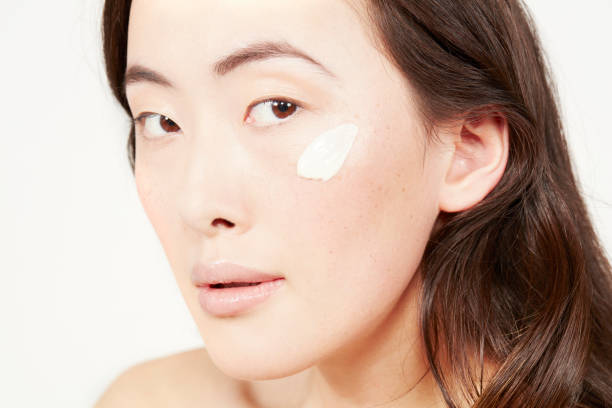
In the morning, keep your routine simple and consistent. Start with a cool, damp washcloth or a chilled spoon for a minute or two. The coolness helps the area look calmer and less swollen. Then apply a lightweight eye cream with caffeine if you like that tightened, awake look. Caffeine is not magic, but it is a good short-term helper for morning puffiness. Use your ring finger and tap, don’t drag. The skin under your eyes is not the place for a heavy hand.
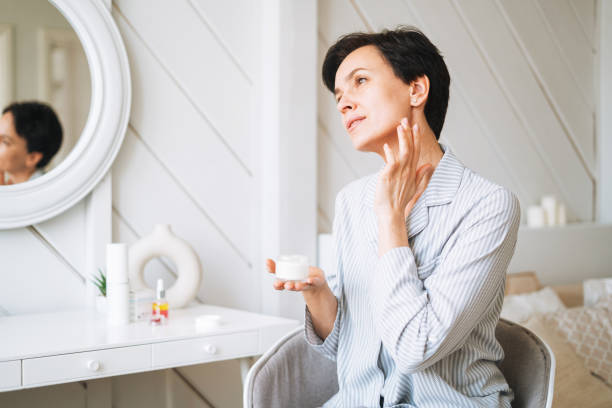
If you want to do one extra thing, try a gentle massage. Use a little eye cream and tap from the inner corner outward, then along the brow bone. Keep it light. You are not trying to push fluid around like you’re kneading dough. You are just encouraging a little movement and helping your eye cream settle in.
Hydration is not just about drinking water. If your skin is dry and tight, it can look irritated and stressed, which makes shadows and puffiness more noticeable. Use a simple moisturizer morning and night, and wear sunscreen every day. Sun damage weakens the skin over time, and thin under-eye skin shows it first. You don’t need ten products. You need a few you will actually use.
Your makeup can also work for you or against you. Heavy concealer can cake in the fine lines and make puffiness look more obvious. A light, creamy concealer with a soft finish is usually better. Skip shimmer right under the eye, because it catches light in a way that highlights every curve. A tiny bit of matte highlighter on the brow bone is a better move.
Finally, don’t expect one product to fix everything. Under-eye puffiness is a routine issue, not a single-step problem. Sleep on your back, watch the salt, drink water, stop rubbing, use a cool compress, and keep your eye cream light. Do those things most days and your morning mirror check will get a lot less dramatic.