You wake up, look in the mirror, and there they are: soft shadows and bags under your eyes that make you look more tired than you feel. It happens to almost everyone. The under-eye area is one of the most delicate zones on your face, and it shows everything—late nights, salty dinners, allergies, stress, and genetics. The good news is that under-eye puffiness is not a mystery. Once you understand what makes it worse and what helps, you can stop guessing and start seeing a difference.
The skin under your eyes is thin. It sits over tiny blood vessels, fat pads, muscle, and bone, with little padding to hide what’s going on beneath. When fluid collects there, it creates that soft, swollen look. When fat pads shift or skin loses firmness over time, it can create a more permanent bag. That means not all under-eye puffiness is the same. Some is temporary, like the puffiness after a night of takeout and poor sleep. Some is structural, part of your face’s natural shape. Knowing the difference helps you choose the right fix instead of buying another cream that promises everything and delivers little.
Morning puffiness is often about fluid. When you lie flat for hours, fluid can settle under your eyes. Add a high-salt dinner, alcohol, or not enough sleep, and you may wake up looking puffy. Allergies can also play a role, because rubbing itchy eyes irritates the skin and encourages swelling. Hormonal changes throughout the month can make some women retain more water, too. So before you blame your eye cream, look at your evening habits. A salty snack at ten o’clock at night is not doing your under-eye zone any favors.
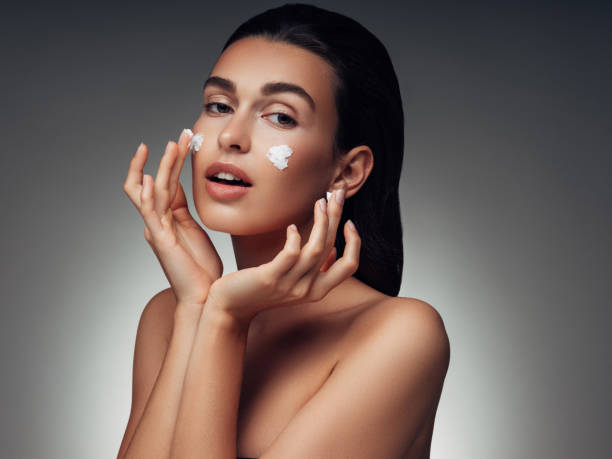
Your first move in the morning should be gentle. Wash your face with cool water, then use a chilled spoon, a cold gel mask, or a clean frozen spoon wrapped in a soft cloth. Coolness helps tighten the look of the area for a while. If you use an eye roller, keep it in the fridge and glide it softly from the inner corner outward. Do not press hard or tug. The under-eye skin is not a stain you can scrub away. After that, apply a lightweight eye cream with caffeine if you like the temporary tightening effect. Caffeine is not magic, but it can make the area look a little less puffy for a few hours. A hydrating formula can also plump fine lines so the area looks smoother.
Long term, the best results come from consistency, not intensity. Wear sunscreen every day, even when it’s cloudy. UV rays break down collagen and elastin, the support structures that keep skin looking firm. Wear sunglasses, not just for style but to protect the thin skin around your eyes and to help you stop squinting and rubbing. If you have allergies, treat them. Constant eye rubbing is one of the fastest ways to make under-eye concerns worse. Get enough sleep, drink water, and go easy on salt and alcohol. These are not glamorous tips, but they work. You can also add a gentle retinol eye product a few nights a week if your skin tolerates it. Retinol helps with fine lines over time, but it can be irritating, so start slowly and use a pea-sized amount for both eyes.
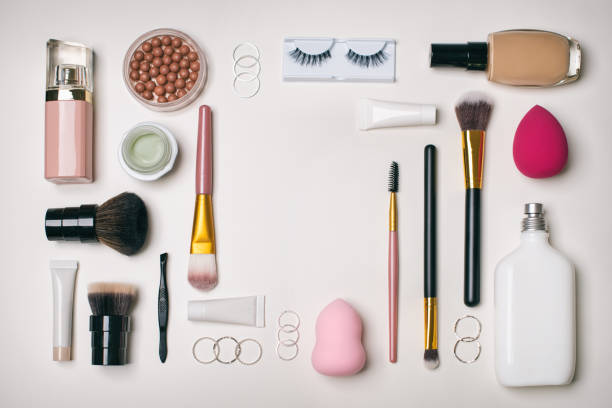
Makeup can be a helpful shortcut. Before concealer, apply a light hydrating eye cream and let it sink in. Use a peach or orange color corrector if you have dark circles, then a thin layer of concealer that matches your skin. Avoid heavy powder right under the eye, because it can settle into lines and make puffiness look worse. A touch of highlighter at the inner corner can brighten, but keep shimmer away from the puffy area. If your under-eye bags are mostly structural, makeup will soften them but not erase them. That’s normal. No product can change your bone structure or fat pads.
If your under-eye puffiness is sudden, painful, one-sided, or comes with redness, itching, or changes in vision, see a doctor. That is not a beauty issue. For everyday puffiness, though, you have more control than you think. The under-eye zone responds well to small, repeated choices: sleep, salt, sun protection, gentle care, and a few smart products. You don’t need a ten-step routine. You need a routine you’ll actually follow. Pick two or three habits, stay with them for a month, and take a good look in the mirror. The goal is not to look like a filtered photo. The goal is to look like yourself, rested, healthy, and comfortable in your own skin.