You know the scene. You wake up, glance in the mirror, and your under-eyes look like they partied without you. One side may be puffier. The skin under your eyes is the thinnest on your face, so when fluid gathers or circulation slows, it shows up fast. Most under-eye puffiness is not permanent. It’s a signal, and once you understand yours, you can stop guessing and start fixing.
Puffiness is often about fluid. When you lie flat all night, fluid settles around your eyes. Sleep on your stomach or side, and gravity keeps one side lower, which is why one under-eye can look puffier. Add a salty dinner, a glass of wine, or a night of crying, and your body holds onto more water. Prop your head up on an extra pillow, sleep on your back when you can, and keep water by your bed. Hydration sounds backward when you’re puffy, but dehydration makes your body cling to whatever fluid it has.
Your morning routine can do a lot in five minutes. Cold is your friend. A chilled spoon, a cold gel eye mask, or a quick splash of cool water can tighten the look of the area. Some women keep eye cream in the fridge for this. Look for a lightweight eye cream with caffeine if you want a temporary tightening effect. Caffeine is not magic, but it can make the under-eye look less puffy for a few hours. Apply it with your ring finger using a gentle tapping motion. Don’t drag or rub. That thin skin does not bounce back from harsh handling.
What you eat and drink matters more than most people admit. Sodium is the big one. Chips, takeout, soy sauce, and restaurant food can leave you puffy the next morning. Just notice the pattern. If you have a big salty meal, drink extra water and go easy on salt the next day. Alcohol is another common trigger. It dehydrates you and disrupts sleep, which shows up under your eyes. If you’re going to have a drink, alternate with water and take your makeup off before bed. Sleeping in mascara and concealer can irritate the area and make puffiness worse.
Allergies and sinus pressure are sneaky culprits. If your under-eyes are puffy along with itchy eyes, sneezing, or a stuffy nose, allergies may be the real issue. Talk to your doctor or pharmacist about an allergy medicine that fits your life. Wash your pillowcases often, keep pets out of your bed if they bother you, and use a saline rinse if your doctor says it’s okay. Rubbing your eyes is the worst thing you can do. It breaks down the skin’s support over time and can make puffiness and dark circles look worse.
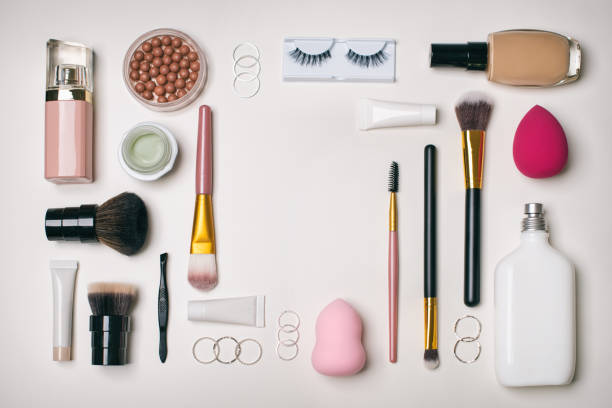
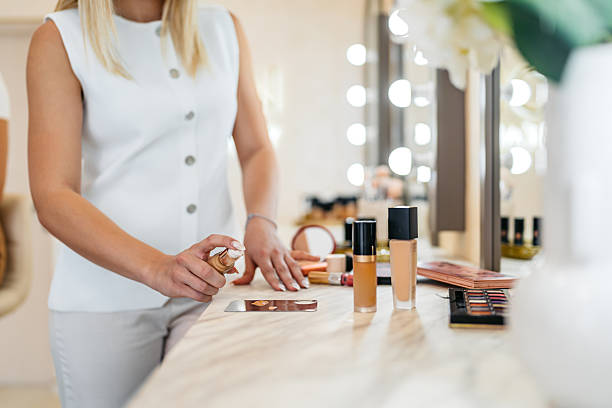
Makeup can help or hurt. Start with a color corrector if you have blue or purple tones, then use a creamy concealer that matches your skin. Avoid heavy powders under the eyes, because they can settle into fine lines and make the area look dry. Skip shimmer in the under-eye area. A little light-reflecting finish is fine, but full-on glitter draws attention to every bump. Set with the tiniest amount of powder only where you need it. If your under-eyes are very puffy, a cool compress before makeup can make a real difference.
For long-term results, consistency beats intensity. Wear sunscreen every day, even when it’s cloudy. UV rays break down collagen and make the skin thinner over time. Wear sunglasses, not just for style but to stop you from squinting and rubbing. Get seven to nine hours of sleep. Manage stress because stress affects sleep, digestion, and water balance. And be patient. Under-eye puffiness is rarely fixed by one product. It’s managed by small habits that add up.
If your puffiness is sudden, painful, one-sided, or comes with redness, itching, or vision changes, see a doctor. That’s not the time for a new eye cream. But for most women, under-eye puffiness is a normal part of having a face. You can’t control every late night or salty meal, but you can control how you respond. Cool it, hydrate, sleep smart, and stop rubbing. Your under-eyes will thank you.