You wake up, look in the mirror, and there it is: a soft little pillow under one eye, or both, making you look tired before your day has started. Under-eye puffiness is rarely about one terrible habit. It’s usually a mix of small things—how you slept, what you ate last night, how your skin is feeling, and how much you rubbed your eyes. The good news is that it’s also one of the easier facial concerns to manage once you stop treating it like a mystery.
The skin under your eyes is thin and loose compared with the rest of your face, so it doesn’t have much cushion. When fluid collects there, it shows. A late dinner with salty takeout, a glass of wine, crying at a movie, or a night of flat-on-your-face sleep can all leave you puffy by morning. So can rubbing your eyes when you’re tired or itchy. If you slept on one side, gravity and pressure can make that eye look puffier than the other. That’s normal. It is not proof that you’ve aged ten years overnight.
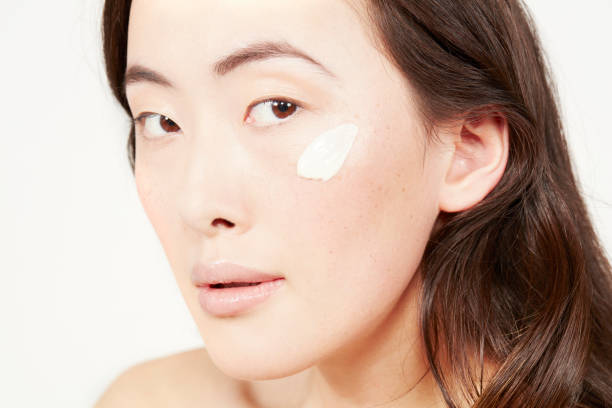
Your morning move should be cool, not icy. A chilled spoon, a cold gel roller, or a damp washcloth pressed gently under each eye for thirty to sixty seconds can help calm the look of puffiness. Press, don’t drag. The skin there is delicate, and tugging it is the opposite of helpful. If you keep your roller in the fridge, it is easier to make this a habit. If you like a caffeine eye gel, apply a tiny amount with your ring finger and tap from the inner corner outward. Caffeine can temporarily tighten the surface, which makes puffiness look less obvious, but it is not a magic eraser.
Keep the rest of your routine simple. Cleanse gently, remove every bit of makeup, and use a moisturizer that feels comfortable. A light layer of eye cream or face moisturizer can make the area look smoother, because dry skin catches light and emphasizes shadows. Sunscreen matters here too. Under-eye skin is exposed every day, and consistent protection helps it stay looking even over time. You do not need twelve products. You need a few you will actually use, applied with a light hand.
The long game is where the real difference shows up. Go to bed at a fairly consistent time, and prop your pillow up slightly so fluid does not settle under your eyes all night. Watch the salt at dinner and the alcohol close to bedtime. Drink water during the day, not just when you’re already thirsty. Move a little in the morning; a short walk or even a few minutes of stretching can help you feel less puffy overall. If pollen or dust makes your eyes itch, keep your hands away and wash your face after being outside. Some days will still be puffier than others, and that is not a failure.
Makeup can help, but only if you use it with a light touch. Choose a concealer that matches your skin instead of going two shades lighter; too-light concealer highlights the puff instead of hiding it. If you have darkness along with puffiness, a peach corrector under concealer can neutralize it. Skip shimmer under the eye, because it catches light and makes every little curve more visible. Set with the tiniest bit of powder, then put your attention upward with mascara and a brushed-up brow.
What should you avoid? Toothpaste, ice held directly on the skin, harsh scrubs, and hard rubbing. Do not sleep in makeup. Do not chase a perfectly smooth under-eye area in every photo. And do not ignore a change that stays put. Ordinary morning puffiness is one thing. If one eye is painful, hot, very swollen, or keeps looking different, get it checked. That is not vanity; it is common sense.
The smartest approach is boring in the best way: sleep well, keep your routine gentle, cool the area in the morning, and stop rubbing. Do that consistently and your under-eye area will look calmer, more awake, and more like you on a good day. You are not trying to freeze your face or erase every line; you are giving thin skin a little less to react to.