You know that little tube of magic you use to zap away dark circles and blemishes? It’s working hard for you, but it’s also sitting on your skin for hours. If that concealer has no sun protection, you’re missing a huge opportunity to prevent the very wrinkles you’re trying to hide. The under-eye area is some of the thinnest, most fragile skin on your face. It’s the first place to show fine lines, and the sun is directly responsible for most of that damage. And that’s not just a summertime worry. The sun hits your face every single day, even when it’s cloudy or you’re indoors near a window. So why not make every swipe count? Choosing a concealer with SPF is like having a bodyguard for your most vulnerable spots.
Now, not all SPF concealers are created equal. You want one that says broad spectrum on the label. That means it protects against both UVA and UVB rays, which is non-negotiable. UVB rays burn, but UVA rays are the sneaky ones that penetrate deeper and damage your collagen, leading to sagging and wrinkles. If your concealer only has SPF but doesn’t mention broad spectrum, it’s not pulling its weight. But don’t stress about hitting triple digits. Most beauty experts agree that SPF 30 is the sweet spot for daily use. That’s plenty for protection under your morning sunscreen. To get the full SPF from any makeup, you need to apply a generous amount. Most of us just dab a tiny bit under our eyes. That’s fine for hiding circles, but it’s not enough sunscreen. So treat SPF in your concealer as a bonus, not a replacement. Still put on your morning sunscreen first, let it set, then add the concealer on top. This layered approach gives you double protection in the areas that need it most.
What should you look for in a formula? Skip anything thick, cakey, or heavy. Those tend to settle into fine lines and make them more obvious by lunchtime. Instead, go for a lightweight, creamy texture that blends smoothly. Hydration is your friend. Ingredients like hyaluronic acid or glycerin help plump up the skin so lines look less pronounced. It also keeps your makeup looking fresh longer. And a little brightening doesn’t hurt. Many concealers now include vitamin C, an antioxidant that fights off free radicals from pollution and sun exposure. It’s not new-age—it’s just science your skin appreciates.
Another thing to think about is the type of sun-blocking ingredient. Mineral-based blockers like zinc oxide or titanium dioxide are often found in concealers and foundations. They sit on the skin’s surface and reflect UV rays away. That’s a great option for the under-eye area because they’re less likely to cause stinging than chemical sunscreens. Plus, these minerals have a natural soothing quality. If you have dry eyes or sensitive skin, this can be a game-changer. If your concealer contains either of those, you’re on the right track. Chemical filters like avobenzone or octinoxate are fine too, but you might need to be more careful if you have sensitive skin.
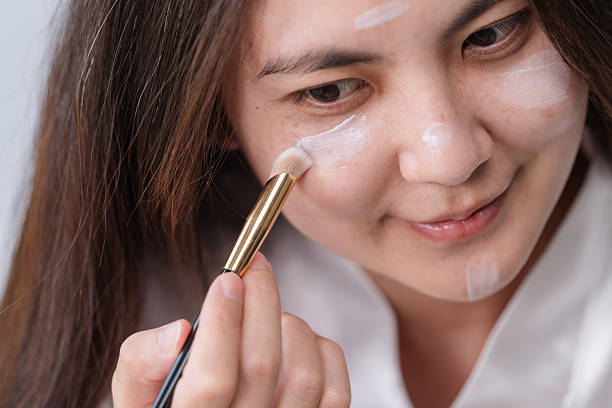
Application makes a big difference. Rubbing tugs at the delicate skin around your eyes, which over time creates more wrinkles. Instead, use your ring finger—it has the lightest touch—and gently pat the product into the area. Patting deposits the coverage exactly where you need it without pulling the skin. Think of it like tapping in light, not smearing. If you’re worried about creasing, set it with a tiny dusting of translucent powder. But not too much, because powder can look dry and settle into lines. The finish should feel like your skin, just better.
Here’s a final thought. Makeup is your daily armor, and the choices you make can either help your skin or harm it. By picking a concealer that covers and protects at the same time, you’re getting two jobs done in one step. You hide those dark circles now, and you prevent the deeper wrinkles later. That’s a smart investment. It’s the kind of simple swap that pays off in more ways than one. Next time you’re browsing the aisle, flip that bottle over and check the label. Look for broad spectrum, a decent SPF, and a creamy, lightweight consistency. Your under-eyes will thank you today, and they’ll really thank you in ten years.