You already know the drill: cleanse, moisturize, then slap on a little makeup to even things out. But here’s the thing most of us gloss over—that last step can actually be one of your best anti-aging moves. Not because of any miracle cream, but simply because the right base with the right protection can block the number-one cause of facial wrinkles: the sun. And it can do that while covering up a late night or a stubborn red spot. That’s the magic of makeup that protects and conceals. You just have to know what to look for.
Let’s be real: nobody wants to wear three separate products on their face. You want something that goes on smoothly, looks like your skin but better, and doesn’t slide off by noon. That’s why a tinted moisturizer or a lightweight foundation with SPF is such a win. It gives you sheer coverage, a dewy finish, and a daily dose of sun defense. But here’s the catch—and it’s an important one. The SPF in your makeup is almost never enough on its own. Unless you’re using a full blob of foundation the size of a quarter, you’re probably only getting a fraction of the protection listed on the bottle. So what do you do? You double up. Put on a dedicated sunscreen first, let it sink in for a minute, then go in with your SPF foundation over it. That way, you’re not relying on one product to do a two-person job. And your makeup adds a nice extra layer of coverage that works in your favor.
Now, when you’re standing in the aisles scanning labels, look for the words “broad spectrum.” That means the product guards against both UVB rays (the ones that burn) and UVA rays (the sneaky ones that age you, even through clouds and car windows). UVA is the real enemy when it comes to wrinkles, so you want something that says broad spectrum on the front. Also, check for physical blockers like zinc oxide or titanium dioxide. They sit on top of skin and bounce rays off. They’re also usually gentler and don’t sting your eyes. If you prefer chemical sunscreens, look for avobenzone or one of the newer stabilized versions. Don’t worry about the fancy names—just know that they work.
Texture is the next big thing. You’ve seen makeup settle into fine lines and make them look twice as deep. That’s usually because the formula is too thick or too matte. For grown-up skin, a creamy or liquid formula is your friend. It glides over surface, reflects light, and actually hydrates while it covers. Look for words like “hydrating” or “dewy finish” rather than “matte” or “oil-free.” A little bit of moisture in the formula plumps the skin, which naturally softens any early crow’s feet or smile lines. And if you want a little extra insurance, pick a product that has antioxidants like vitamin C or vitamin E. Those little powerhouses help fight free radicals—the nasty molecules that break down collagen. You’ll find them listed as ingredients, and they add another layer of defense without any extra effort.
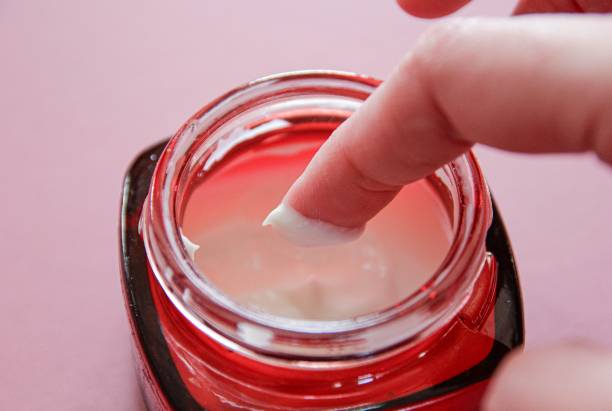
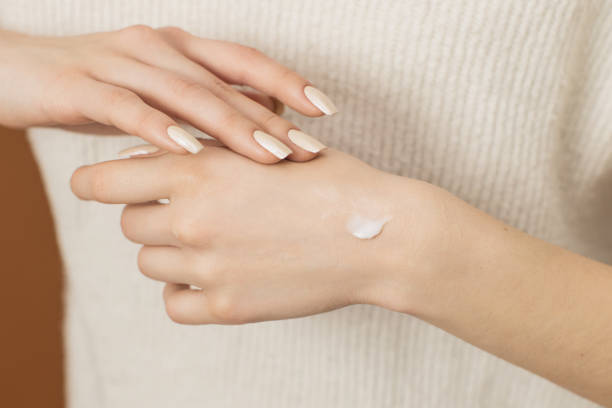
Now, about actually applying this stuff. Sunscreen first, always. Then foundation. Use your fingertips, a damp sponge, or a synthetic brush. The key is to tap and press, not rub. Rubbing drags the skin and can practically press product into your creases. Tapping, on the other hand, deposits color where you need it without tugging. And go lighter than you think. You want a sheer layer that evens out your tone, not a mask that will crack by lunchtime. If you have a specific spot you need more coverage for—a broken capillary, a dark under-eye circle—use a concealer with SPF right on that area. That way, you get full coverage where you need it and sun protection everywhere else.
Here’s the most practical thing nobody tells you: reapplying sunscreen over makeup is a pain. So instead of throwing your hands up and skipping the midday dose, get a translucent powder with SPF or a setting spray that has sunscreen in it. Give your face a quick dusting or spritz before you head out for lunch. It refreshes your makeup and boosts your protection. Is it as good as slathering on fresh sunscreen? No. But it’s a whole lot better than doing nothing. And remember, your wrinkle prevention game is not about being perfect every single day. It’s about making smart choices that add up over time.
You don’t need to buy a bunch of expensive creams or experimental serums. You just need to look at your makeup routine with fresh eyes. The foundation you already wear can be transformed into a daily wrinkle fighter—if you pick the right one, layer it properly, and give your skin the protection it craves. That means you get to look flawless right now while also saving your face from the future. Not a bad trade for five extra minutes in front of the mirror. So next time you’re browsing for a new base, don’t just swirl the color on your hand. Check the label, check the finish, and think about what that product is really doing for you beyond making you look awake. Choose one that works as hard as you do, and your skin will thank you in ten years.