You want one product to do two jobs: hide what you don’t want to see and help protect the skin you do have. That is a reasonable ask, but foundation with SPF is not a magic shortcut. It works best when you treat it as one part of a smart routine. If you expect a single pump to give you full coverage and full sun protection, you will either look heavy or get less protection than you think. The goal is a finish that looks like skin, with enough protection to matter.
Start with the number on the label, but do not stop there. Look for broad-spectrum protection and an SPF of 30 or higher. SPF 15 is fine for a quick errand, but it leaves too little room for error if you apply foundation the way most people do. The real issue is amount. To get the SPF on the label, you need about a nickel-sized amount for your face. Most of us use a fraction of that when we are blending foundation for coverage. That is why makeup with SPF should sit on top of your morning sunscreen, not replace it. Use your regular sunscreen first, let it settle for a few minutes, then go in with foundation for coverage.
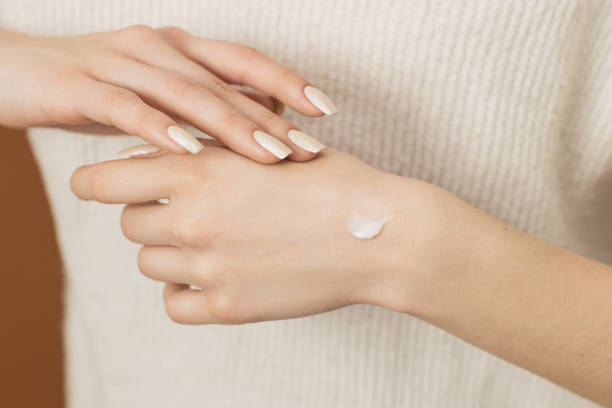
The next thing to watch is finish. A foundation with SPF can feel rich because the sun filters need to sit evenly on skin. If you have oily skin, look for a liquid or stick that sets to a soft matte finish without looking flat. If your skin is dry, choose something creamier so it does not catch on flakes. Normal-to-combination skin can usually handle a satin finish. Test on your jaw, not your hand. Your hand is a different color and texture, and it will not tell you how the product wears around your nose, mouth, and forehead.
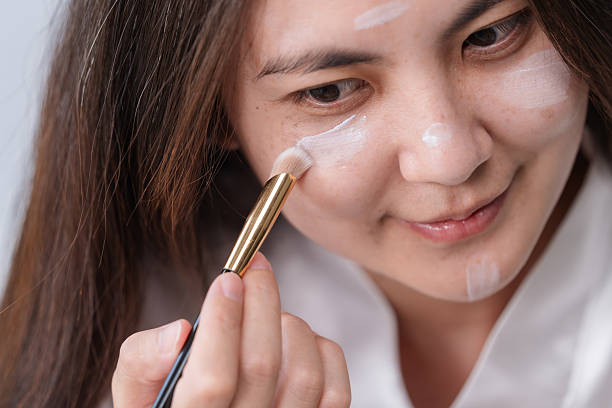
Coverage is where the camouflage part gets fun. You do not need a full-face mask to hide redness, dark spots, or broken capillaries. Sheer-to-medium coverage applied in thin layers gives you more control. Start with a pea-sized amount in the center of your face, then press and blend outward. If a spot still shows, add a tiny amount only there. For redness around the nose and cheeks, a green-tinted corrector can cancel the color before foundation. For dark circles, a peach corrector often works better than a heavy concealer. Keep the layers thin. Thick layers are what crease, slide, and look obvious by lunch.
Do not forget the edges. Foundation with SPF often gets skipped at the hairline, jaw, and ears, but those are real skin that sees the sun. Blend what is left on your fingers around your hairline and down your neck. If you wear a low neckline, carry your morning sunscreen down there too. Makeup is for your face; sunscreen is for all the skin you show.
Setting matters, but only where you need it. Powder your T-zone, around the nose, and anywhere you tend to shine. Leave the cheeks and outer face alone if they look fresh. Too much powder is the fastest way to make SPF foundation look cakey. If your skin feels tight, use a hydrating mist before powder, not after. And if you plan to be outside for more than a quick walk, plan to touch up. An SPF powder or a sunscreen mist over makeup can help, but neither is as reliable as reapplying your base sunscreen when you can. For long days, a hat and shade are still the easiest backup.
Finally, choose a foundation you actually like wearing. If the color is off, the texture feels wrong, or the finish makes you self-conscious, you will use less of it, and you will not get the coverage or protection you bought it for. Get a sample when you can. Wear it for a full day. Check it in daylight, not just bathroom light. The right foundation with SPF should feel like a quiet helper: it evens out your skin, softens what you want to conceal, and supports your sunscreen without announcing itself.