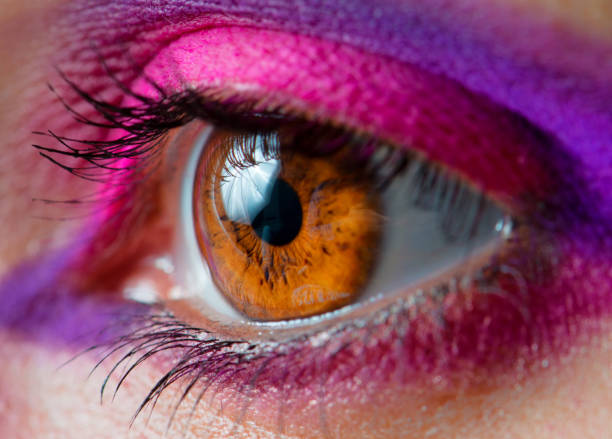
The
eyes may be the windows to the soul, but the skin that frames them is often the first to reveal the passage of time. The emergence of fine lines and wrinkles around the eyes—commonly known as crow’s feet, laughter lines, or under-eye creases—is a nearly universal experience. This predisposition is not a flaw but a consequence of a unique and complex convergence of anatomical, behavioral, and environmental factors. Understanding why this delicate region is so vulnerable requires a look beneath the surface, at the very structure and function of the skin we rely on for expression and connection.Fundamentally, the skin surrounding the
eyes is anatomically distinct from the skin on the rest of the face and body. It is the thinnest skin on the human body, with a dermal layer that can be up to ten times thinner than elsewhere. This fragile epidermis contains fewer oil glands and a sparse network of collagen and elastin fibers, the proteins responsible for skin’s plumpness, strength, and snap-back resilience. With less of this supportive scaffolding, the area is inherently more fragile and has a diminished capacity to retain moisture, leading to a tendency toward dryness and a reduced ability to withstand repetitive movements without permanent creasing. Furthermore, the underlying fat pads that provide cushioning and support are minimal here, offering little buffer against the forces that create wrinkles.These structural vulnerabilities are compounded by constant, dynamic movement. The orbicularis oculi muscle, which encircles the eye, is one of the most active muscles in the body. We engage it thousands of times a day—squinting in sunlight, expressing joy or surprise, and, most unconsciously, during the rapid eye movement phase of sleep. Every blink, smile, or frown creates a temporary fold in the skin. Over decades, these repeated folding patterns, combined with the skin’s diminishing elasticity due to natural aging processes, etch themselves into permanent lines. This is a primary reason why expressive wrinkles like crow’s
feet appear earlier and more prominently than static wrinkles elsewhere.External environmental assaults further accelerate this process. The skin around the
eyes is a prime target for photodamage from ultraviolet radiation. Daily, often unprotected, exposure to UVA and UVB rays breaks down collagen and elastin fibers in a process known as photoaging. This degradation weakens the skin’s foundation, making it more lax and less able to recover from creasing. Additionally, lifestyle choices such as smoking, which constricts blood vessels and impairs collagen production, and high-stress levels, which can elevate cortisol, further degrade skin quality. Even routine habits like rubbing tired
eyes or aggressive makeup removal can contribute to micro-tears and stretching of this fragile tissue over time.Finally, genetic predisposition and the natural biological aging process set the baseline timeline. As we age, cell turnover slows, and the body’s natural production of collagen and hyaluronic acid—a molecule critical for hydration—declines significantly. This intrinsic aging, an inevitable genetic program, means the skin’s natural repair mechanisms become less efficient. The already-delicate eye area feels these effects first and most profoundly, as its limited resources are depleted.In essence, the eye area’s proneness to wrinkles is a perfect storm of intrinsic fragility and extrinsic challenge. Its uniquely thin and
dry structure, coupled with a lifetime of relentless muscular animation and environmental exposure, creates an epicenter for the visible signs of aging. While these lines are a natural testament to a life fully expressed, understanding their causes empowers us to practice gentle care, diligent sun protection, and healthy lifestyle habits, allowing us to meet our reflection with grace and knowledge.