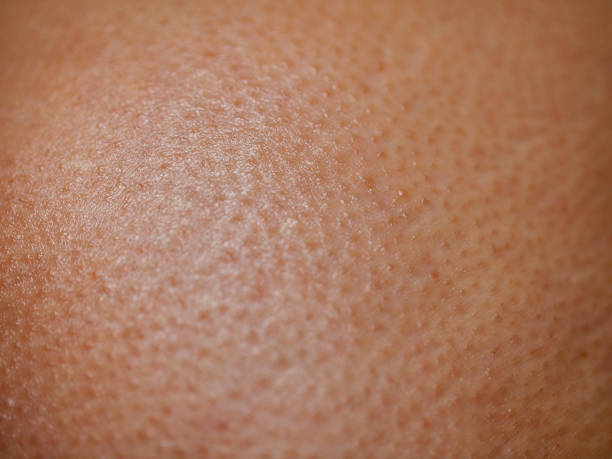
The term “porous skin” is commonly used in skincare conversations, often evoking images of large, visible pores and an uneven texture. However, from a dermatological perspective, skin is not literally
porous like a sponge; it does not have open holes. Instead, “porous skin” is a colloquial term describing skin that appears to have enlarged or more visible pores, often accompanied by a rough texture and a tendency to accumulate debris and excess oil. This condition, while primarily a concern for skin clarity, shares a profound and often overlooked relationship with the development of wrinkles, linking two seemingly separate skin concerns through common underlying causes and structural vulnerabilities.To understand this connection, one must first consider what enlarged pores represent. Pores are the openings of hair follicles and sebaceous glands. Their apparent size is influenced by genetics, oil production, skin elasticity, and cumulative sun damage. When the skin produces excess sebum, it can mix with dead skin cells and oxidize, stretching the pore opening. More critically, as we age, the skin’s support structure—composed of collagen and elastin fibers—begins to degrade. This loss of firmness causes the skin around the pores to sag and loosen, making the pores appear larger and more dilated. This very degradation of collagen and elastin is the primary engine behind wrinkle formation. Therefore, the loss of structural integrity that manifests as “porous” skin is the same process that leads to fine lines and creases. They are different symptoms of the same fundamental issue: the breakdown of the skin’s foundational matrix.Furthermore, the relationship extends into the realm of skin hydration and barrier function. Skin that is described as
porous often has a compromised moisture barrier. This barrier, the stratum corneum, is meant to keep hydration in and irritants out. When it is weakened—due to harsh skincare, environmental aggressors, or intrinsic aging—transepidermal water loss increases. Chronically dehydrated skin lacks plumpness, causing fine lines to become more pronounced and the skin’s surface to appear crepey and textured. This dehydration can also trick the sebaceous glands into overproducing oil to compensate, potentially exacerbating the appearance of pores. Thus, the dry, wrinkled skin and the oily,
porous skin can exist on a spectrum influenced by barrier health, with both states often leading to the other.The most significant unifying factor, however, is sun exposure. Photoaging is the single greatest external cause of both enlarged pores and wrinkles. Ultraviolet radiation relentlessly breaks down collagen and elastin through the activation of enzymes called matrix metalloproteinases. This not only creates wrinkles but also weakens the follicular support around pores, causing them to lose their tight, circular shape and become enlarged and slack. Additionally, UV thickens the skin’s outer layer and causes dead skin cells to cluster around pore openings, making them more visible. Therefore, a lifetime of sun exposure creates a dual legacy: a loss of smooth texture and the emergence of deep-set lines.In conclusion,
porous skin and wrinkles are not isolated concerns but are intricately linked through shared physiological pathways. Both are visual testaments to the depletion of collagen and elastin, the consequences of a weakened skin barrier, and the cumulative damage inflicted by ultraviolet light. Addressing one concern often positively impacts the other. A consistent regimen focused on sun protection with broad-spectrum SPF, the use of retinoids to boost collagen production and normalize cell turnover, and the application of antioxidants like vitamin C to combat free radical damage can simultaneously refine the skin’s texture, minimize the appearance of pores, and soften the appearance of wrinkles. Recognizing this connection allows for a more holistic and effective approach to skincare, aiming not just for a single fix but for the overall restoration and preservation of the skin’s healthy, resilient structure.