The skin surrounding the mouth, known as the perioral area, presents a unique hydration challenge. This region lacks the density of oil glands found elsewhere on the face, making it inherently prone to dryness, flaking, and the premature appearance of fine lines. Furthermore, it endures constant movement from talking, eating, and expressing emotions, all of which can compromise its delicate moisture barrier. Achieving and maintaining hydration here requires a dedicated, consistent strategy that addresses both internal and external factors, transforming a often-neglected zone into a smooth, supple, and resilient part of your complexion.The journey to a hydrated
mouth area begins with a fundamental reassessment of your cleansing routine. Harsh, foaming cleansers and traditional soaps can strip the skin of its natural lipids, leaving it tight and vulnerable. Instead, opt for gentle, cream-based or milky cleansers that cleanse without compromising the skin barrier. Water temperature matters, too; always use lukewarm water, as hot water can be particularly dehydrating. After cleansing, the method of drying is crucial. Vigorous rubbing with a towel creates friction and irritation. The correct technique is to gently pat the skin dry, leaving it slightly damp. This subtle moisture on the skin’s surface becomes the perfect primer for the next critical step: the immediate application of hydrating products.Layering hydration effectively is the cornerstone of success. Think of your skincare as building a moisture-retaining wall. Start with a humectant, a category of ingredients that act like moisture magnets, drawing water into the outer layer of skin. Excellent examples include hyaluronic acid, glycerin, and aloe vera. Applied to damp skin, these ingredients pull that residual water in, plumping the area. However, humectants alone are not enough, especially in
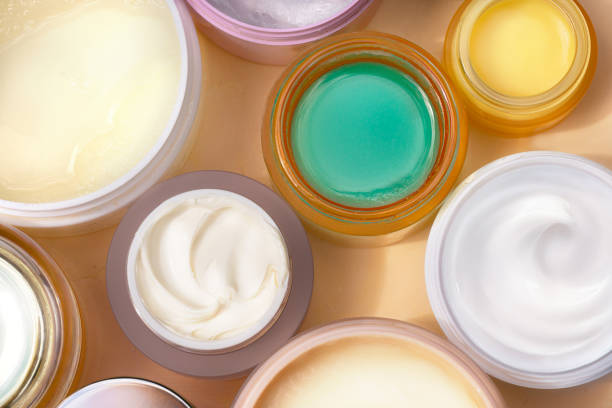
dry climates, as moisture can evaporate. This is where occlusives come in. These richer ingredients, such as shea butter, squalane, or even a thin layer of petroleum jelly, create a protective seal over the skin, locking all that drawn-in hydration beneath. For daily use, a nourishing moisturizer formulated for
dry or sensitive skin, often containing a blend of humectants and occlusives, is ideal. Weekly, consider treating the area to a hydrating mask focused on the lower face, or gently patting a few drops of a facial oil, like jojoba or rosehip, over your moisturizer at night for an extra reparative boost.Your daily habits play an equally vital role. Constant lip licking is a primary culprit for perioral dryness. Saliva contains digestive enzymes that break down food, and when repeatedly applied to skin, it can degrade its protective layer, leading to a frustrating cycle of dryness and further licking. Breaking this habit and using a bland, emollient lip balm consistently can protect both the lips and the surrounding skin. Dietary choices are another internal pillar of hydration. Consuming adequate water throughout the day supports skin hydration from within, while a diet rich in essential fatty acids from foods like avocados, nuts, and fatty fish helps fortify the skin’s lipid barrier. Finally, never underestimate the importance of sun protection. UV damage relentlessly degrades collagen and impairs the skin’s ability to retain moisture. A broad-spectrum sunscreen applied diligently every day, including around the mouth, is non-negotiable for long-term hydration and health.Ultimately, hydrating the skin around your
mouth is not about a single miracle product but a harmonious symphony of gentle care, strategic product layering, and mindful lifestyle adjustments. By adopting a consistent routine that emphasizes barrier support, locks in moisture, and eliminates dehydrating behaviors, you can effectively combat dryness. This dedicated approach ensures the perioral skin remains resilient, comfortable, and seamlessly integrated with the rest of your radiant, well-hydrated complexion.