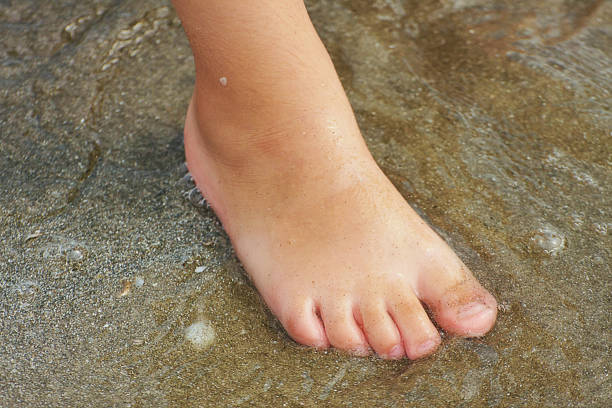
The human foot, a complex structure of 26 bones and a network of nerves and blood vessels, is often our most neglected body part until discomfort arises. Its skin serves as a critical barrier, and its health is surprisingly susceptible to the temperature of the water it encounters daily. From soothing soaks to necessary washes, water temperature exerts a profound, multi-faceted influence on the integrity, comfort, and physiology of the skin on our feet.Exposure to hot water, typically defined as above 105°F (40.5°C), initiates a series of detrimental effects. Primarily, it strips the skin of its essential natural oils and lipids. The foot, having fewer oil glands than other areas, is particularly vulnerable to this drying process. Hot water disrupts the skin’s acid mantle and compromises the stratum corneum, the outermost protective layer. This leads to transepidermal water loss, resulting in dry, flaky, and cracked skin, especially around the heels. For individuals with pre-existing conditions like eczema or psoriasis, hot water can trigger severe flare-ups and intense itching. Furthermore, hot water causes vasodilation, the widening of blood vessels. While this may temporarily reduce swelling, prolonged immersion can lead to excessive redness, inflammation, and for those with diabetic neuropathy or circulatory issues, a significant risk of scalding burns due to impaired sensation.In stark contrast, cold water, generally below 60°F (15.5°C), constricts blood vessels through vasoconstriction. This can provide a temporary numbing effect, reducing pain and swelling after injury or long periods of standing, which is why ice baths are popular among athletes. However, prolonged exposure poses serious risks. It can impede blood circulation to the feet, depriving skin cells of oxygen and nutrients. This can leave the skin pale, brittle, and more prone to damage. For individuals with Raynaud’s phenomenon, cold water can trigger painful spasms in the blood vessels of the toes, leading to discoloration and numbness. Moreover, like hot water, cold water can be deceptive; it may reduce sensation, making it harder to notice damage from excessive scrubbing or existing cracks.The optimal approach for maintaining foot skin health lies in the consistent use of lukewarm water, ideally between 85°F and 100°F (29.5°C to 38°C). This temperate range effectively cleanses without being aggressive. Lukewarm water helps to dissolve dirt and sweat while preserving the skin’s natural protective barriers. It allows for gentle cleansing without causing excessive dryness or irritation. This temperature also promotes healthy circulation without the extreme vascular responses caused by hot or cold extremes, supporting the skin’s natural repair processes. For routine foot washing or soaking to address general fatigue, a lukewarm bath with added emollients like colloidal oatmeal or a few drops of mineral oil can hydrate and soothe the skin effectively.The duration of exposure is an equally critical factor intertwined with temperature. Even lukewarm water can macerate the skin if
feet are soaked for too long, typically beyond 20-30 minutes. Maceration, where the skin becomes waterlogged, white, and wrinkled, breaks down the skin’s integrity, making it a fertile ground for fungal infections like athlete’s foot and creating entry points for bacteria. Therefore, the golden rule is a moderate temperature combined with a moderate duration.Ultimately, understanding the impact of water temperature empowers better foot care. The skin on our
feet is a resilient yet delicate organ that responds acutely to thermal stimuli. By favoring lukewarm water and mindful soaking practices, we support this vital barrier, preventing a cascade of issues from debilitating dryness and cracks to increased infection risk. This simple, conscious adjustment in daily routine is a foundational step toward sustaining the health and comfort of our feet, ensuring they continue to carry us forward without complaint.