The allure of luxury is not merely a matter of price tags or prestigious logos; it is a meticulously crafted experience that engages the senses on a profound level. Luxury products feel so different because they are engineered to transcend basic utility, offering a tactile, emotional, and psychological journey that mass-produced items cannot replicate. This distinct feeling is the result of a deliberate alchemy of exceptional materials, consummate craftsmanship, and narrative depth, all converging to create an artifact that feels singular and resonant.
At the most immediate level, the difference is tangible. Luxury engages the haptic sense with an authority that is unmistakable. Consider the heft of a solid gold watch, the whisper-soft glide of a cashmere coat, or the satisfying, dampened thud of a luxury car door closing. These are not accidental sensations but the direct result of superior materials. A mass-market handbag may use a thin, coated leather or synthetic alternative, while its luxury counterpart employs full-grain, vegetable-tanned leather that is thicker, more supple, and develops a unique patina over time. The weight, texture, and even the sound of a material communicate quality before a brand name is ever seen. This sensory input is processed subconsciously as value, creating an immediate and visceral understanding of difference.
Beyond the materials themselves lies the human element: craftsmanship. Luxury products often bear the subtle, irreproducible signature of skilled artisans. The perfectly even stitching on a pair of shoes, the hand-polished bezel of a watch, the meticulously matched wood grain on a console—these details speak of hours invested, not just minutes on an assembly line. This craftsmanship introduces a pleasing imperfection or uniqueness; no two hand-stitched items are absolutely identical, which imbues the object with a soul that factory-perfect, machine-made goods lack. The feeling of something made for its own sake, with care and attention, translates into a product that feels respectful to the user. It is an object that has been honored in its making, and in turn, it honors the person who owns it.
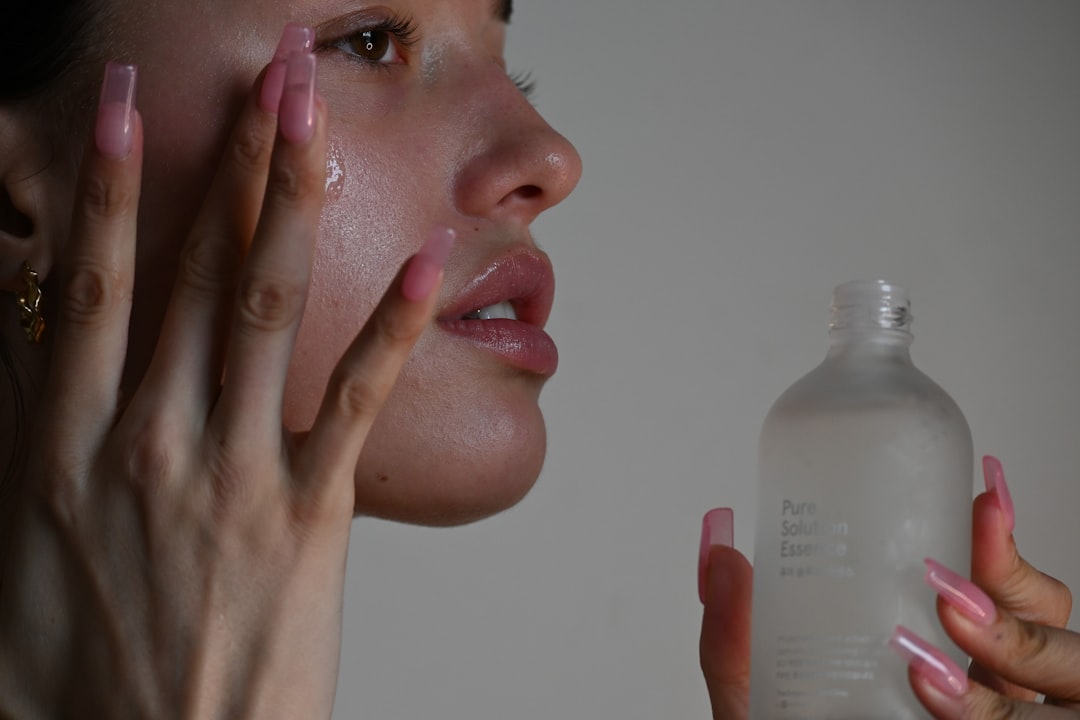
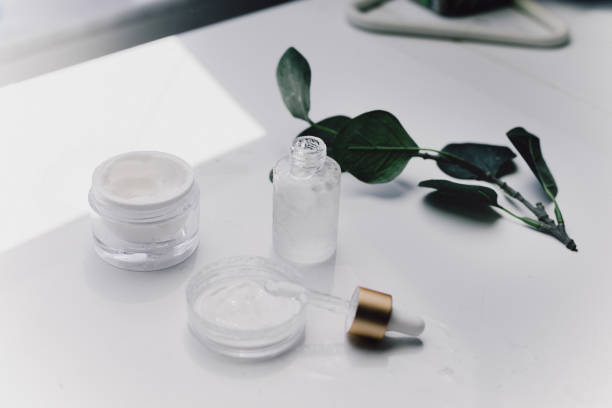
However, the feeling of luxury extends beyond the physical into the psychological realm of narrative and ritual. Every luxury product is a vessel for a story—of heritage, of innovation, of a particular place or artistic vision. Wearing a watch from a brand with a century of horological breakthroughs connects the wearer to that history. Applying a cream from a maison known for its rare botanical extracts transforms a routine into a moment of personal indulgence. This narrative layer adds emotional weight, making the product feel significant and meaningful. The act of acquisition and use becomes a ritual, from the hushed ambiance of a boutique and the unwrapping of layered, substantial packaging to the very way the product is designed to be interacted with. The magnetic closure on a jewelry box, the specific resistance of a precision dial, the scent of leather in a new car—these are all choreographed moments that elevate function to ceremony.
Ultimately, luxury products feel different because they are designed to appeal to the self as much as to the senses. They function as conduits for identity and aspiration. Owning and interacting with such an object provides a quiet, constant affirmation of one’s appreciation for quality, beauty, and heritage. It offers a respite from the disposable nature of modern consumption, promising—and often delivering—longevity. In a world saturated with the ordinary, luxury products create a sphere of the extraordinary. They feel different because they are not just products; they are tangible manifestations of time, artistry, and desire, crafted to make the owner feel different, too. This complete sensory and emotional engagement is the true essence of luxury, a feeling that is, by design, impossible to mass-produce.