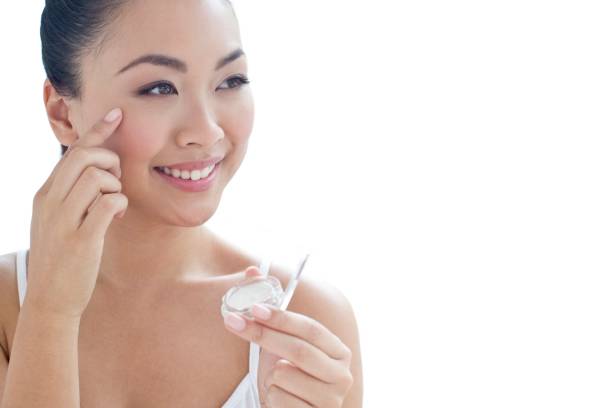
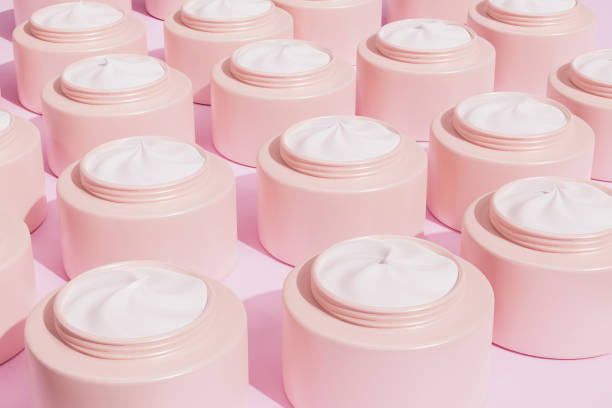
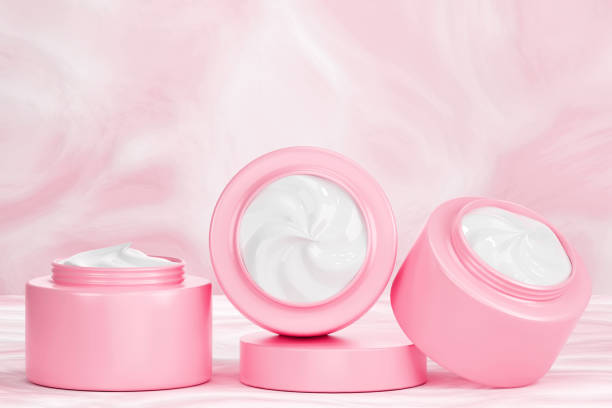
In the intricate dance of caring for dry, aging skin, a routine often feels like a delicate symphony of serums, oils, and treatments, each promising rejuvenation. While consistency with a gentle cleanser and a rich moisturizer forms the foundation, and the vigilant use of sunscreen is the undisputed champion of prevention, there exists one step so fundamentally transformative that it elevates the entire regimen from mere maintenance to active revival. The most critical step in a routine for dry, aging skin is the dedicated and consistent application of a high-quality moisturizer. This is not merely about imparting a temporary sensation of softness; it is the essential act of repairing the skin’s compromised barrier and directly countering the biological hallmarks of aging.
To understand its paramount importance, one must first consider what happens to skin as it ages and suffers from dryness. The skin’s natural production of key substances like hyaluronic acid, ceramides, and natural oils diminishes significantly. This leads to a weakened lipid barrier, often described as a crumbling brick wall where the skin cells are the bricks and lipids are the mortar. When this barrier is impaired, moisture escapes transepidermally with ease, leaving skin parched, flaky, and vulnerable. Simultaneously, this compromised state allows environmental irritants, pollutants, and allergens to penetrate more deeply, triggering inflammation. Inflammation is a silent accelerator of aging, breaking down collagen and elastin—the very proteins that keep skin firm and plump. Thus, dry skin is not just a superficial concern; it actively fuels the cycle of aging, leading to increased fine lines, sagging, and a lackluster complexion.
A robust moisturizer, specifically formulated for mature, dry skin, directly interrupts this destructive cycle. Its role is threefold: to occlude, to humect, and to repair. Occlusive ingredients, such as plant-based butters, squalane, or dimethicone, create a protective seal over the skin’s surface. This seal is the first and most crucial line of defense, dramatically reducing transepidermal water loss and giving the skin a respite to heal. Humectant ingredients, like glycerin and hyaluronic acid, act as moisture magnets, drawing water from the deeper layers of the skin and the environment into the stratum corneum, providing immediate plumping and dewy hydration. Most importantly, a superior moisturizer will include reparative ingredients such as ceramides, fatty acids, and niacinamide. These components go beyond temporary relief; they actively replenish the skin’s own depleted building blocks, helping to reconstruct the fragile lipid barrier from the inside out.
This act of barrier repair is where the magic truly happens for aging skin. A fortified barrier means the skin becomes more resilient and efficient. It retains its own moisture more effectively, making lines and wrinkles appear softened and less pronounced. A healthy barrier also ensures that the other valuable steps in a routine—the antioxidant-rich serums, the gentle retinoids, the nourishing facial oils—can perform their functions on a stable, receptive canvas, rather than on irritated, inflamed terrain. Without this foundational step, even the most potent actives may cause more harm than good, failing to deliver results because the skin is too compromised to benefit from them.
Therefore, while cleansing preps the canvas and sunscreen guards the future, the meticulous application of a targeted moisturizer is the heart of the routine for dry, aging skin. It is the step that transforms the skin’s very physiology, turning a fragile, parched landscape into a resilient, hydrated, and supple one. It is a daily commitment to not just covering up the signs of aging, but to actively creating an environment where the skin can heal, protect itself, and thrive. In the quest for a healthier, more youthful complexion, this humble workhorse proves to be the most important ally of all.