In the ever-evolving world of skincare, overnight
masks have emerged as a coveted product, promising to unlock a radiant complexion by morning. Unlike their traditional rinse-off counterparts, these leave-on treatments are designed to work in harmony with the body’s nocturnal rhythms, offering a potent blend of intensive repair and deep hydration. But how exactly do these products function during the critical hours of sleep? The answer lies in a sophisticated interplay of occlusion, enhanced absorption, and biological synergy.Fundamentally, an overnight mask operates on the principle of prolonged contact and occlusion. While we sleep, our skin enters a state of heightened repair and regeneration, boosted by increased blood flow and cell turnover. An overnight mask capitalizes on this natural process by creating a semi-occlusive barrier on the skin’s surface. This barrier, often formulated with film-forming humectants like
hyaluronic acid or glycerin, serves a dual purpose. First, it prevents transepidermal water loss (TEWL), the process by which water passively evaporates from the skin. By trapping existing moisture, the mask ensures the skin remains plump and hydrated throughout the night. Second, this occlusive environment allows active ingredients—be they peptides, retinols, antioxidants, or specific acids—to penetrate more deeply and work more effectively without immediate evaporation or environmental interference.The efficacy of an overnight mask is further amplified by the body’s own circadian rhythms. During sleep, the skin’s permeability increases, meaning it becomes more receptive to topical treatments. Furthermore, the body ramps up production of growth hormones and focuses its energy on cellular repair, including collagen synthesis and damage reversal from daily stressors like UV exposure and pollution. A well-formulated overnight mask acts as a co-conspirator in this process, delivering a concentrated dose of nutrients and reparative agents exactly when the skin is most prepared to utilize them. It is a targeted delivery system, ensuring that potent ingredients like niacinamide to strengthen the barrier, or ceramides to restore lipids, are available precisely when the skin’s metabolic repair mechanisms are at their peak.It is crucial to distinguish overnight
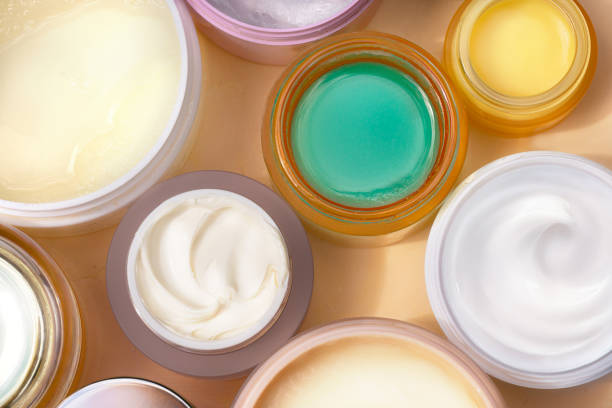
masks from regular night creams, as their texture and composition are specifically engineered for extended wear. They often possess a richer, more emollient texture—think balms, gels, or rich creams—that is designed to remain comfortable and effective for six to eight hours without feeling overly heavy or migrating onto bedding. This luxurious texture is not merely for sensory pleasure; it is a functional vehicle that encapsulates both hydrating and active ingredients, allowing for their slow, sustained release. While a night cream provides essential maintenance, an overnight mask is typically considered an intensive treatment, used less frequently—perhaps two to three times a week—to provide a surge of benefits without overwhelming the skin.Ultimately, the magic of an overnight mask is a combination of smart formulation and biological timing. It is a product that understands the skin’s nightly agenda and provides the ideal environment and
tools to facilitate it. By sealing in moisture, enhancing the penetration of active ingredients, and supporting the skin’s innate regenerative cycle, these
masks offer more than just superficial hydration. They provide a period of intensive therapy, working silently through the night to address concerns from dryness and dullness to fine lines and texture. The result, upon waking, is not a mere cosmetic gloss but skin that has been fundamentally nourished, rebalanced, and revitalized from within, ready to face the new day with renewed resilience and a noticeable glow.