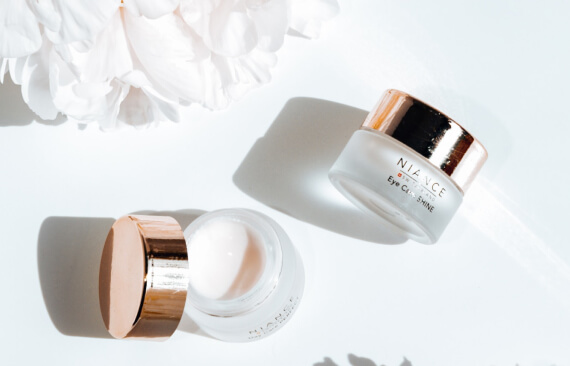
Let’s talk about one of the most important, but often confusing, steps in a skincare routine: applying eye cream. You’ve invested in a good product, so you want to make sure you’re using it in a way that actually helps your skin. Doing it right can make a real difference in keeping the delicate skin around your
eyes looking bright, smooth, and youthful. It’s not hard, but a few simple tips can turn this quick step into a powerful part of your day.First, timing is everything. Eye cream should be applied twice a day, once in the morning and once at night. Think of your morning application as a shield. It protects that thin skin from the
dry air, pollution, and makeup you’ll encounter all day. Your nighttime application is like a repair crew. While you sleep, the cream gets to work helping your skin recover and rebuild. Always wash your face gently first and pat it
dry with a soft towel. Your skin should be slightly damp, but not wet, when you start.Now, let’s get to the how. The most important thing to remember is to be gentle. The skin around your
eyes is the thinnest on your entire body. It doesn’t have the same strong support structure as the skin on your
cheeks or forehead. This means you should never pull, tug, or rub. Instead, use your ring finger. It’s your weakest finger, so it naturally forces you to use a lighter touch. Take a small amount of cream, about the size of a grain of rice for each eye. Yes, that’s all you need! Using more won’t help and can actually cause irritation.Dab the tiny dots of cream along the bone that circles your eye socket. Start from the inner corner near your nose, go along the bone under your eye, and then up along the bone at the outer corner. Avoid putting cream directly on your moving eyelid, unless the product instructions say it’s made for that. The goal is to treat the area where fine lines and puffiness often appear, which is that orbital bone area. Now, using the pad of your ring finger, gently pat the cream into your skin. Imagine you are tapping piano keys with the lightest touch possible. This patting motion helps the product sink in without dragging the skin. Let the cream absorb for a minute or two before you move on to your face moisturizer or sunscreen.A common mistake is applying face moisturizer right over the eye cream. You should apply your eye cream first, then your regular moisturizer. When you put on your face lotion afterward, be careful to avoid the eye area you just treated. This keeps the special ingredients in your eye cream right where they need to be, without being diluted.Finally, make it a relaxing moment. This isn’t a chore. It’s a minute for yourself. As you gently pat in the cream, take a few slow breaths. This little ritual reduces stress, and happy, relaxed habits show on your face. Consistency is your best friend here. The real benefits of eye cream come from using it faithfully, day in and day out, with a soft and careful hand. By giving this delicate area a little focused care, you’re building a strong strategy for keeping your whole face looking refreshed and smooth for years to come.