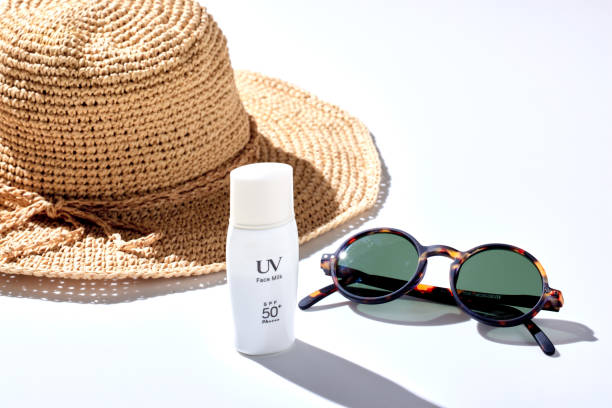
The quest for smooth, youthful skin is a universal pursuit, leading many down aisles of serums, creams, and high-tech devices. While these products can play supportive roles, the single most important tool for preventing wrinkles is not found in a bottle or a clinic. It is a daily, conscious behavior: comprehensive sun protection. Shielding the skin from ultraviolet radiation is the cornerstone of any effective
anti-aging strategy, as sun exposure is the primary external cause of premature aging, responsible for up to 90% of visible skin changes.Wrinkles form through a combination of intrinsic and extrinsic factors. Intrinsic aging is the natural, genetic decline in collagen and elastin production that occurs over time, leading to fine lines and thinner skin. This process is inevitable and gradual. Extrinsic aging, however, is caused by external aggressors and is largely preventable. Among these—including pollution, smoking, and repetitive facial movements—sun exposure is the most potent. Ultraviolet A (UVA) and Ultraviolet B (UVB) rays penetrate the skin and create damage on a cellular level. UVB rays are primarily responsible for sunburn, while UVA rays, which penetrate more deeply, are the silent wrinkle-makers. They break down the skin’s structural proteins, collagen and elastin, which are the scaffolding that keeps skin firm and supple. This process, known as photoaging, leads not just to wrinkles but also to leathery texture, uneven pigmentation, and loss of elasticity.The superiority of sun protection over any other anti-wrinkle intervention is rooted in its proactive, preventative nature. High-quality moisturizers can plump the skin temporarily, and retinoids can stimulate collagen production to repair some damage, but these are often attempts to correct what sun exposure has already set in motion. Sunscreen, however, acts as a shield, preventing the damage from occurring in the first place. Think of it as guarding the foundation of a house; no amount of repainting will matter if the foundation is crumbling. Daily and diligent use of a broad-spectrum sunscreen protects the skin’s inherent collagen reserves, preserving its structural integrity for far longer than nature alone would allow.Furthermore, the importance of sun protection extends beyond the beach or
summer months. UVA rays, the chief aging rays, are present with consistent strength throughout the day and year, and they can penetrate clouds and glass. This means that incidental exposure—during a commute, sitting by a window, or on a cloudy day—accumulates over decades, contributing significantly to photoaging. Therefore, the tool must be used habitually, as ingrained as brushing one’s teeth. The most effective sunscreen is the one you will use every single day, regardless of the weather or your plans.This is not to dismiss the value of a holistic skincare approach. A diet rich in antioxidants, adequate hydration, avoiding smoking, and using proven topical agents like retinoids are all valuable components of maintaining skin health. However, they function in concert with, not in place of, sun protection. Using a potent vitamin C serum without sunscreen, for instance, is akin to applying an antioxidant treatment and then actively oxidizing the skin with UV exposure. The protection must come first.In conclusion, while the beauty industry offers an array of sophisticated
tools promising youthful skin, the most critical instrument remains decidedly simple and accessible. Consistent, lifelong protection from the sun is the ultimate preventative measure against wrinkles. It is a daily commitment that defends the skin’s fundamental architecture, making it the non-negotiable foundation upon which all other
anti-aging efforts are built. By making broad-spectrum sunscreen an indispensable part of one’s daily routine, one effectively invests in the long-term health and youthfulness of their skin, proving that the best defense is a good, and persistent, defense.