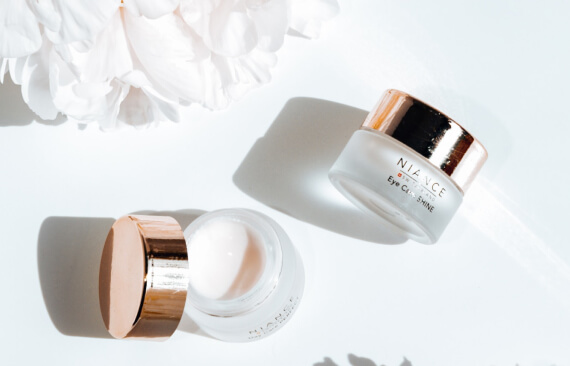
The desire to maintain a youthful complexion is a timeless pursuit, leading many to seek effective methods for wrinkle prevention. While invasive surgical procedures exist, a growing emphasis on proactive, non-invasive treatments has taken center stage in dermatological care. The encouraging answer is that yes, there are numerous scientifically-backed, non-invasive strategies that can significantly delay the onset of wrinkles and minimize their appearance. These approaches primarily focus on protecting the skin from damage and supporting its intrinsic health, offering a practical and accessible path to longevity for the skin.The cornerstone of all non-invasive wrinkle
prevention is unwavering sun protection. Ultraviolet radiation from the sun is the single greatest accelerator of skin aging, a process known as photoaging. UV rays break down the skin’s collagen and elastin fibers, the very proteins that provide structure and elasticity. Daily use of a broad-spectrum sunscreen with an SPF of 30 or higher, regardless of the weather, is non-negotiable. This simple habit shields the skin from this pervasive damage, preventing the fine lines, deep wrinkles, and leathery texture associated with chronic sun exposure. Complementing sunscreen with protective clothing, wide-brimmed hats, and seeking shade forms a powerful defensive barrier, making sun avoidance the most effective non-invasive treatment one can adopt.Beyond defense, a targeted skincare regimen built on key ingredients can actively fortify the skin against wrinkle formation. Topical retinoids, derivatives of vitamin A, are considered the gold standard in
anti-aging skincare. Available both by prescription and in milder over-the-counter forms as retinol, these compounds work at a cellular level to accelerate skin cell turnover, stimulate new collagen production, and fade early sun damage. Consistent nightly use can smooth fine lines and improve skin texture profoundly. Antioxidants are another critical category. Ingredients like vitamin C, vitamin E, and niacinamide neutralize free radicals—unstable molecules generated by UV exposure and pollution that degrade skin cells. By applying these antioxidants topically, one provides the skin with direct reinforcements to combat oxidative stress, thereby preventing the collagen breakdown that leads to wrinkles.Lifestyle factors, often underestimated, play an instrumental non-invasive role. Diet directly influences skin health; a diet rich in antioxidants from fruits, vegetables, and healthy fats supports the skin from within. Conversely, habits like smoking are profoundly damaging, as nicotine constricts blood vessels, starving the skin of oxygen and nutrients, while the repetitive facial movements of smoking directly etch lines around the
mouth and eyes. Adequate hydration and quality sleep are also vital. During deep sleep, the body enters repair mode, regenerating cells and producing collagen. Chronic poor sleep, therefore, directly impedes the skin’s natural nightly restoration process, making wrinkles more likely to appear.The realm of in-office non-invasive procedures offers a more technologically advanced tier of
prevention and early intervention. Treatments like broadband light therapy or laser resurfacing in gentle, fractional formats can address early signs of sun damage and stimulate a robust collagen response without significant downtime. Similarly, superficial chemical peels using alpha-hydroxy acids exfoliate the outer layer of skin, encouraging fresher, plumper skin to emerge and improving the appearance of fine lines. These procedures are often used as periodic “tune-ups” to enhance and maintain the results of a diligent at-home routine.In conclusion, a robust arsenal of non-invasive treatments exists for those seeking to prevent wrinkles. This multifaceted approach integrates diligent daily sun protection, a consistent skincare routine powered by retinoids and antioxidants, and supportive lifestyle choices regarding diet, sleep, and smoking. For those seeking additional support, a range of in-office light and laser therapies can provide a further boost. Ultimately, wrinkle
prevention is less about a single miracle treatment and more about a sustained commitment to protecting and nurturing the skin’s health over a lifetime, proving that proactive care is the most powerful non-invasive tool of all.