As winter’s chill sets in, the allure of a steaming shower or a long, hot soak becomes almost irresistible. This simple pleasure offers a profound sense of warmth and comfort against the biting cold. However, this seasonal habit carries a significant, often overlooked, cost for our skin. Contrary to providing relief, the frequent use of hot water during colder months can be a major accelerant of skin aging, compromising the skin’s barrier, depleting its natural resources, and exacerbating the harsh environmental conditions it already faces.The primary mechanism by which hot water harms the skin is through the systematic stripping of its essential protective layer: the lipid barrier. This microscopic film, composed of oils and ceramides, sits on the outermost layer of the epidermis. Its role is crucial—it seals in vital moisture and keeps out irritants, pollutants, and microbes. Hot water, especially when paired with harsh cleansers, acts as a potent solvent, dissolving these natural oils far more effectively than lukewarm water. Each long, hot shower essentially degreases the skin, leaving this protective barrier cracked and compromised. Without this intact barrier, water stored within the skin evaporates rapidly in a process known as transepidermal water loss. The result is immediate: skin feels tight, dry, and itchy. Over time, this chronic state of dehydration leads to a loss of elasticity and the formation of fine lines, the very hallmarks of aged skin.Furthermore, hot water induces inflammation, a key driver of the aging process. The intense heat causes capillaries near the skin’s surface to dilate rapidly in an effort to cool the tissue. While this may create a temporary flushed appearance, repeated thermal shock weakens these delicate blood vessels over time, potentially leading to permanent redness and broken capillaries, conditions often associated with aging skin. More insidiously, this inflammatory response triggers the release of enzymes that break down collagen and elastin—the protein fibers responsible for skin’s firmness, plumpness, and ability to snap back into place. The degradation of these structural proteins directly results in sagging skin and the deepening of wrinkles. Therefore, the comforting heat is, in fact, catalyzing the very biological processes that lead to a loss of youthful structure.The damage is compounded by winter’s existing environmental assault. Cold,
dry outdoor air and dehydrating indoor heating already work in tandem to sap moisture from the atmosphere and, consequently, from the skin. By washing with hot water, we actively remove the skin’s own defensive moisture at the precise moment it needs it most. This one-two punch leaves the epidermis vulnerable, often leading to a cycle of irritation. Compromised skin is more susceptible to micro-tears, redness, and conditions like
winter eczema. In a desperate attempt to find relief, many people then apply heavy moisturizers on fundamentally damaged skin, which may not address the root cause of barrier impairment and can sometimes lead to clogged pores.Protecting the skin from this seasonal aging trap requires a shift in routine. The most effective change is to reduce water temperature to lukewarm—a temperature that feels neither hot nor cold to the touch. Limiting shower time to under ten minutes and using gentle, fragrance-free cleansers can further minimize barrier disruption. The critical next step is to apply a moisturizer containing humectants like
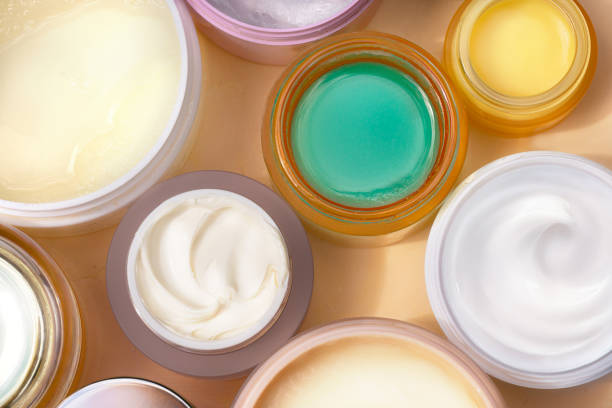
hyaluronic acid and occlusives like ceramides or shea butter within three minutes of patting the skin dry. This practice helps trap the residual moisture from the shower and actively repairs the lipid barrier. In essence,
winter skin care is less about adding moisture and more about fiercely retaining the moisture your body already produces.Ultimately, while the
steam may feel restorative on a cold morning, it is a deceptive comfort. The pursuit of warmth through hot water undermines the skin’s architecture, hastening the visible signs of aging by dismantling its defenses, inciting inflammation, and amplifying winter’s natural dryness. By embracing lukewarm water and diligent barrier repair, we can enjoy the
winter season without sacrificing the health and youthfulness of our skin, proving that true skincare comfort lies in protection, not in temporary thermal indulgence.