The quest for a matte, shine-free complexion can feel like a daily battle for those with oily skin. Confronted with persistent shine, enlarged pores, and a propensity for breakouts, it is understandable that individuals reach for the most aggressive solutions. In this pursuit, however, lies the most common and damaging error: the belief that oil is the enemy to be eradicated through harsh, stripping practices. This fundamental misconception sets off a vicious cycle of over-cleansing, skipping moisturizer, and using overly astringent products, which ultimately worsens the very problems it seeks to solve.
The skin’s natural oil, or sebum, is not a villain but a vital component of a healthy skin barrier. It provides protection, hydration, and helps maintain the skin’s delicate pH balance. When people with oily skin use harsh, alcohol-based toners, abrasive scrubs, or cleansers that leave the skin feeling tight and squeaky-clean, they are stripping away this essential sebum. The skin, in a state of alarm, interprets this as a signal that its protective barrier is compromised and that it is dangerously dry. In response, the sebaceous glands go into overdrive, producing even more oil to compensate for the perceived deficit. This phenomenon, known as reactive seborrhea, is the core of the mistake: aggressive drying leads directly to increased oil production, trapping the individual in a frustrating loop of shine and stripping.
This mistake manifests in several detrimental habits. The most prevalent is over-cleansing, particularly with foaming sulfates that disrupt the skin’s microbiome. Washing more than twice a day or using hot water exacerbates the stripping effect. Similarly, the avoidance of moisturizer is a critical misstep. Many fear that adding any form of hydration will add to the greasiness. In reality, dehydrated skin—skin lacking water—can trigger more oil production. By skipping a lightweight, non-comedogenic moisturizer, the skin is left parched, again signaling the need for more sebum. Furthermore, the constant use of oil-absorbing sheets or powders, while providing temporary relief, can lead to over-application and a caked-on appearance, often followed by a rebound oil surge.
The consequences of this foundational error extend beyond midday shine. A compromised skin barrier becomes vulnerable to inflammation, leading to increased redness and sensitivity. It also creates an environment where acne-causing bacteria can thrive more easily, potentially worsening breakouts. The constant cycle of stripping and rebounding can also enlarge pores over time, as they stretch to accommodate the hyperactivity of the oil glands. Ultimately, the goal of a balanced, clear, and healthy-looking complexion becomes more distant.
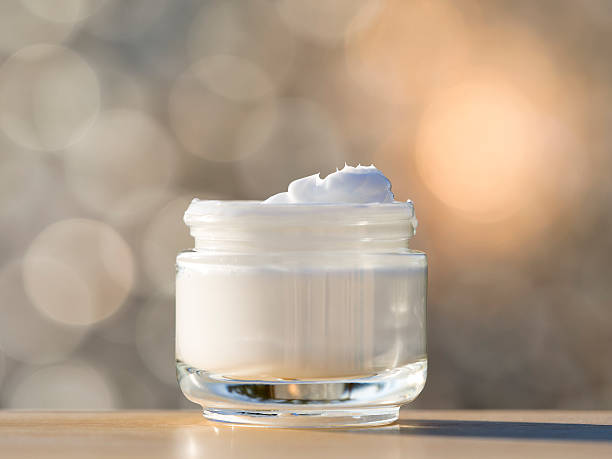
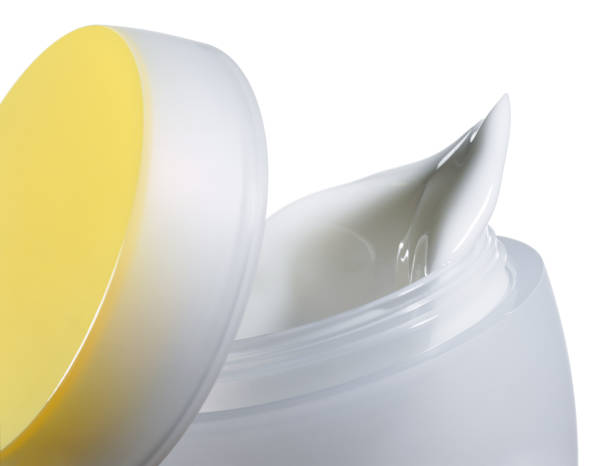
The correct approach is a paradigm shift from “oil elimination” to “balance and barrier support.” This involves using a gentle, pH-balanced cleanser that removes excess oil and impurities without distressing the skin barrier. Following this, a fragrance-free, oil-free moisturizer is essential to provide hydration and reinforce the skin’s protective function, calming the signals for excessive oil production. Incorporating ingredients like niacinamide, which helps regulate sebum and strengthen the barrier, and salicylic acid, which gently exfoliates within the pore, can manage oil intelligently without inciting rebellion. Sun protection, often avoided by those with oily skin due to heavy formulations, is non-negotiable; modern mineral or gel-based sunscreens offer protection without clogging pores.
In conclusion, the biggest mistake in managing oily skin is waging a war against oil itself. This aggressive tactic backfires spectacularly, disrupting the skin’s natural equilibrium and provoking the very issue one hopes to control. True management lies not in annihilation but in respectful regulation. By nurturing the skin’s barrier with gentle care, appropriate hydration, and strategic ingredients, the sebaceous glands can be encouraged toward moderation. The path to a calmer, less oily complexion is paved with consistency and a philosophy of balance, finally breaking the cycle that harsh practices perpetuate.