The year 2025 marks a definitive evolution in skincare, moving far beyond the simplistic “cleanse and moisturize” mantra for
dry skin. The contemporary approach is no longer just about removing impurities but is fundamentally a therapeutic, preparatory ritual designed to actively fortify the skin barrier and communicate with the skin’s ecosystem. This paradigm shift is characterized by a fusion of advanced biomimetic science, a deepened understanding of the skin microbiome, and a holistic consideration of environmental aggressors, making cleansing a cornerstone of skin health rather than a potential source of compromise.Gone are the days of harsh, stripping surfactants that leave the skin feeling taut and squeaky-clean. The 2025 cleanser for
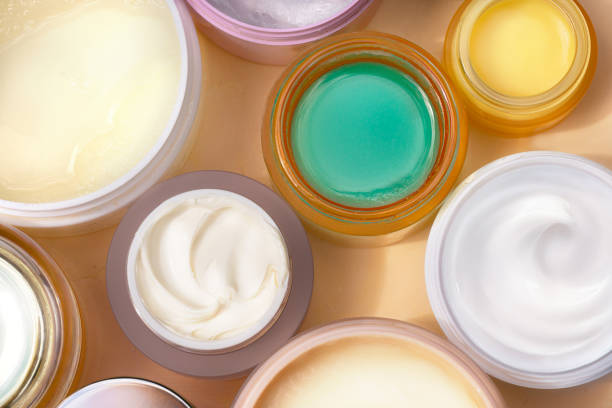
dry skin is a masterclass in gentle efficacy. Formulations are dominated by cream, milky, and balm textures that utilize sophisticated surfactant blends like amino acid-derived cleansers or micellar technology upgraded with lipid-replenishing compounds. These ingredients work in concert to dissolve makeup, sunscreen, and pollutants without dismantling the skin’s delicate lipid matrix. The act of cleansing itself becomes a nourishing event, with many products leaving behind a trace layer of ceramides, fatty acids, and cholesterol—the essential “mortar” of the skin barrier—to support immediate repair and hydration even before the next skincare step.This barrier-centric philosophy is deeply intertwined with the era of microbiome support. Research has illuminated the critical role of a diverse skin flora in maintaining hydration and reducing inflammation. Consequently, the 2025 approach incorporates prebiotic and postbiotic ingredients within cleansers. Prebiotics, such as certain sugars and oligosaccharides, act as nourishment for beneficial bacteria, while postbiotics are the beneficial byproducts of bacterial fermentation that soothe and strengthen skin. The goal is not to sterilize the skin but to cultivate a resilient microbiome, recognizing that a healthy bacterial community is a
dry skin’s first line of defense against transepidermal water loss and reactivity.Furthermore, personalization has moved from a buzzword to an integrated reality. Smart skincare devices, often in the form of handheld scanners or even smartphone-compatible tools, can assess daily barrier status, hydration levels, and even local environmental conditions like humidity and pollution. This data can inform not just which cleanser to use, but how to use it—suggesting a richer balm on a cold, windy day or a lighter milky wash when indoor heating is causing dehydration. This dynamic approach acknowledges that
dry skin is not a static condition but one influenced by a multitude of daily variables.Finally, the 2025 ritual emphasizes mindful technique and water quality awareness. Lukewarm water is universally advocated, as hot water remains a primary aggressor to lipid barriers. The concept of “double cleansing” has been refined; it is now seen as a situational practice rather than a rigid rule, primarily recommended for days heavy with mineral sunscreen or makeup. Perhaps most innovatively, there is a growing market for gentle, filtered showerheads and tap attachments designed to remove harsh minerals and chlorine that can exacerbate dryness and disrupt the skin’s pH balance, treating the water itself as a key ingredient in the cleansing process.Ultimately, cleansing
dry skin in 2025 is a proactive, intelligent, and restorative practice. It is a harmonious blend of cutting-edge formulations that respect skin biology, technology that enables personalized care, and a renewed understanding that every step in a routine must serve the singular goal of barrier integrity and ecological balance. The cleanser is no longer a mere remover of dirt but a foundational treatment that sets the stage for resilience, hydration, and vitality in the modern world.