The quest for flawless, even sunscreen application is more than a matter of aesthetics; it is the foundational step in effective sun protection. An uneven layer leaves the skin vulnerable to the very damage we seek to prevent. While numerous gadgets and applicators flood the market, from silicone pads to spray-on mitts, the most effective, reliable, and accessible tool remains the one we were born with: the human hand. When used with intention and proper technique, the hand is unparalleled in its ability to ensure an even, adequate layer of sunscreen over the complex topography of the face and body.
The superiority of the hand stems from its unique sensory capabilities. Our fingertips are equipped with a dense network of nerve endings that provide constant tactile feedback. As we massage sunscreen into the skin, we can feel areas that are still slick or streaky, detecting thin patches that a brush or pad might glide over unnoticed. This biofeedback loop allows for real-time adjustments, ensuring no spot is missed. Furthermore, the warmth generated by rubbing the product between the palms before application can slightly thin thicker formulas, making them easier to spread uniformly without excessive pulling or dragging on the skin. This pre-warming step, unique to manual application, promotes a more consistent film from the outset.
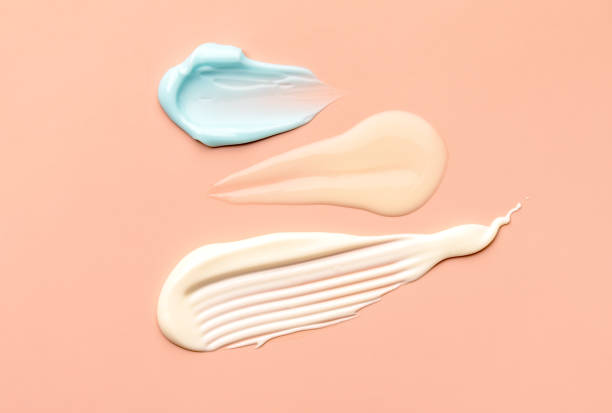
Critically, the hand allows for the precise measurement and application of the correct amount—the single most important factor in even coverage. Dermatologists consistently recommend using approximately two finger-lengths of product for the face and neck, a guideline that is intuitive and easily visualized when using one’s own hand. Pouring a dollop into the palm provides a clear visual cue of volume, something that is lost with direct-to-skin sprays or imprecise pump mechanisms. This visual confirmation is the first step toward adequacy; you cannot spread evenly what you have not applied sufficiently. The hand acts as both measuring cup and primary applicator, seamlessly integrating these two crucial phases.
The contouring ability of the human hand also far surpasses that of any rigid tool. Our fingers and palms can bend into every curve of the face—the orbits of the eyes, the sides of the nose, the delicate skin of the ears, and the angles of the jawline. We can use our knuckles for the bony eye sockets and the pads of our fingers for broader planes like the cheeks and forehead. This adaptability ensures that sunscreen is physically worked into recesses and over prominences with consistent pressure, reducing the risk of missed spots or pilling in creases. A silicone pad, while hygienic, lacks this articulation and can often push product around rather than effectively pressing it into the skin.
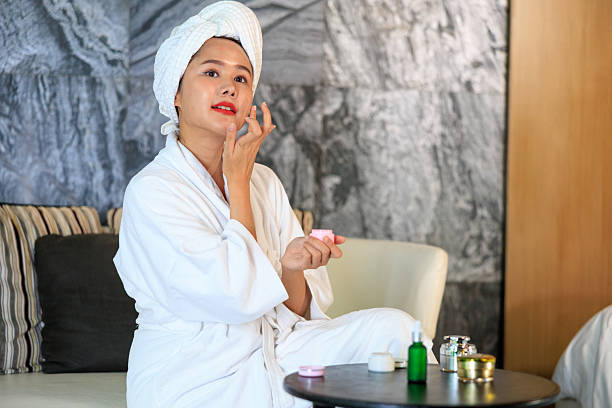
Of course, the efficacy of the hand is contingent upon proper technique. The process should be deliberate: dispense the recommended amount, emulsify between palms, and then press and pat the sunscreen onto the skin before using circular motions to spread it evenly. This press-and-pat method, followed by thorough rubbing, ensures the product adheres to the skin rather than sitting superficially. It is this methodical, hands-on approach that guarantees the “evenly” in “even application.“ After applying to the face, the same principles extend to the body, using the full palm and flat of the hand to cover larger areas in sections, again relying on touch to confirm a uniform, non-streaky finish.
In conclusion, while the market offers many clever contraptions, the best tool for applying sunscreen evenly is inherently human. It combines precise measurement, unparalleled tactile feedback, and perfect anatomical conformity. By engaging our sense of touch and following a mindful technique, we transform our hands into the most sophisticated applicators available, ensuring our first line of defense against sun damage is as consistent and reliable as nature intended. This simple, ancient tool, when used with knowledge and care, remains the gold standard for achieving the uniform protection upon which all sunscreen efficacy depends.