Your skin used to be predictable. You knew which cleanser stung, which moisturizer was too rich, and which foundation could survive a long day. Then perimenopause arrived, and suddenly the same products feel different. Maybe your cheeks flush after a warm shower, your jawline breaks out like it did in your twenties, or your favorite serum now leaves a tight, itchy feeling. That doesn’t mean you need a ten-step routine. It means your skin is asking for different attention.
The biggest mistake women make during this stage is treating every new symptom as a separate problem. Dryness gets a heavy cream. Breakouts get a strong spot treatment. Redness gets another product on top. Before long, you’re layering more, and your skin is more irritated than when you started. Perimenopause often makes skin more sensitive because changing hormones can affect how well your outer layer holds moisture and how quickly it reacts to stress. That sensitivity doesn’t mean you have to give up on results. It means you need to edit, not add.
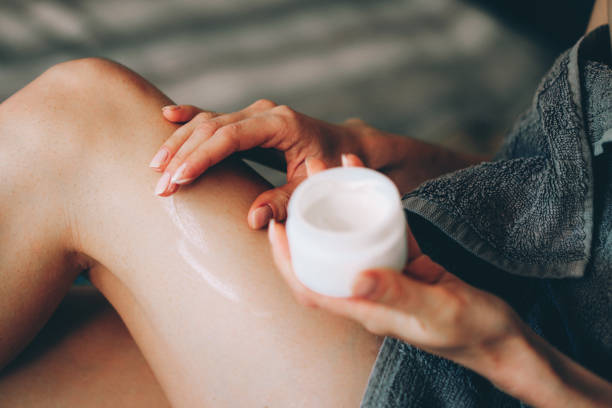
Start with the products that touch your skin most often: cleanser and moisturizer. If your skin feels tight after washing, your cleanser is probably too much for this stage. Look for something that removes makeup and sunscreen without leaving that squeaky-clean feeling. Cream or lotion formulas are often kinder than foaming gels. Your moisturizer should feel comfortable, not heavy and not thin. If it pills under makeup, it’s the wrong texture for daytime. If your face feels dry again by lunch, it’s not enough. You want a moisturizer that keeps your skin calm and soft without making you shiny.
Sunscreen is non-negotiable, but the formula matters more now. Many women blame perimenopause for redness and uneven tone when sun exposure is making both worse. Choose a sunscreen you like wearing every day, because consistency beats a perfect label. If your skin is reactive, a mineral formula may feel calmer. If mineral formulas leave a cast on your skin, a comfortable chemical formula is fine. The best sunscreen is the one you’ll wear before coffee, not the one that sits in a drawer because it feels greasy.
Next, look at your active ingredients. A product that once gave you smooth skin can suddenly feel like a burn. Retinol is a common culprit. If your skin is newly sensitive, don’t quit it forever, but cut back. Use it two nights a week instead of every night. Apply it over moisturizer. Skip it on nights when your skin feels warm or tight. The same goes for exfoliating acids. If toner stings, that’s not “working.” That’s a sign to slow down. Gentle exfoliation once or twice weekly can still help with dullness and breakouts, but more is not better when your skin is already stressed.
Breakouts during perimenopause can be frustrating because the usual oil-control products may make dryness worse. Treat breakouts gently. Use a mild cleanser twice a day, avoid scrubbing, and spot-treat only the areas that need it. If your skin is both oily and dry, don’t try to fix both with one aggressive product. Use a light moisturizer all over and a targeted treatment on the breakout. Keep your hands off your face, change your pillowcase often, and give your skin a few weeks to settle before deciding a product has failed.
Redness and flushing deserve a practical plan. Keep showers lukewarm, not hot. Pat your face dry instead of rubbing. Choose fragrance-free products when you can. If makeup makes redness worse, try a green-tinted primer only on the areas that need it, then use a lightweight foundation. You don’t need to cover every inch. You need a routine that helps your skin feel calm enough to stop reacting.
The real goal during perimenopause is not to chase the skin you had at twenty-five. It’s to build a routine that works for the skin you have now. Keep it short, consistent, and comfort-first. Cleanse gently, moisturize well, wear sunscreen daily, and use active ingredients with restraint. When your skin changes again, and it will, you’ll have a simple base to adjust instead of a cabinet full of confusion. Your skin doesn’t need more products. It needs fewer decisions and more patience.