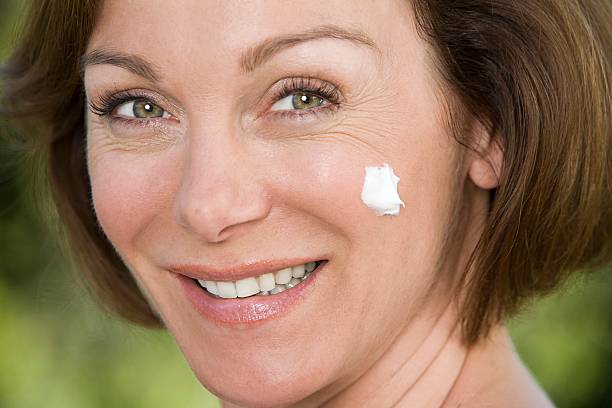
You know the mirror can be honest. After menopause, it can feel like your face is changing in ways that aren’t about a single wrinkle. The shape looks a little softer. Cheeks don’t sit as high. Jawline isn’t as crisp. Makeup that used to glide now settles into places you didn’t notice before. This isn’t your imagination, and it isn’t a failure of your routine. It’s a structural shift. The cushioning, support, and moisture that gave your face its youthful architecture are changing. The good news: you can adapt. You don’t need a drawer full of products or a complicated regimen. You need a smart, consistent plan that respects your skin’s new normal.
First, understand what’s happening. Your skin has three main jobs: to act as a barrier, to hold water, and to bounce back. After menopause, the natural drop in hormones means less oil, slower cell turnover, and a thinner outer layer. Beneath the surface, the support fibers that keep skin firm and springy become less plentiful. You also lose some of the fat pads that give cheeks and temples their fullness, and the bones that support your face can change too. That combination is why you might see sagging, hollowing, and a loss of definition rather than just fine lines. It’s not one problem; it’s a structural one. That means your routine should support structure, not just chase wrinkles.
Start with the foundation: sunscreen every single day. If you do nothing else, do this. Sun damage breaks down the very support system you’re trying to protect, and post-menopausal skin is more vulnerable. Choose a broad-spectrum SPF 30 or higher that you actually enjoy wearing. If your skin is dry, look for a creamy formula. If you’re prone to shine, choose a lightweight lotion or gel. Reapply when you’re outside for long stretches. This is not about vanity. It’s about preserving the firmness you have.
Next, make moisture a non-negotiable. Dry skin looks thinner and crepey, which exaggerates every structural change. You want to pull water into the skin and then seal it in. After cleansing, apply a hydrating serum or toner to damp skin. Then follow with a richer moisturizer that contains ingredients like ceramides, peptides, or squalane. These help reinforce the barrier and plump the surface. When skin holds water, it looks fuller and more awake. At night, you can use a thicker cream or a sleeping mask. If you wake up with tight, dull skin, your moisturizer isn’t doing enough.
Then, consider a gentle retinol. Retinol is one of the most reliable ways to improve skin texture and support firmness over time. But post-menopausal skin is often drier and more sensitive, so start low and slow. Use a pea-sized amount two nights a week, then build up as your skin tolerates it. Apply it after moisturizer if you’re sensitive, and always follow with sunscreen the next morning. If retinol irritates you, try a gentle alternative like bakuchiol. The goal is consistency, not intensity.
Don’t forget the muscles and bones beneath the skin. Facial structure isn’t only about creams. Your face sits on a scaffold of muscle and bone. Resistance training, adequate protein, and weight-bearing exercise support bone health throughout your body, including your face. Strong muscles and healthy bones won’t erase lines, but they help keep your face from looking deflated. Staying hydrated and eating colorful plants helps your skin repair itself. Sleep on your back if you can, and use a silk pillowcase to reduce friction. These small choices add up.
Finally, be realistic and kind. You cannot stop time, and you don’t need to. You can keep your skin healthy, strong, and glowing. You can soften the look of structural changes with smart skincare, sun protection, and healthy habits. You can also choose in-office treatments if you want more visible lifting or filling, but that’s a personal decision. The best routine is the one you’ll actually follow. Start with sunscreen and moisturizer. Add retinol when you’re ready. Treat your skin like the living organ it is. With consistency, you’ll see a firmer, more resilient face—not because you turned back the clock, but because you met this stage with a plan. That’s the kind of glow no highlighter can fake.