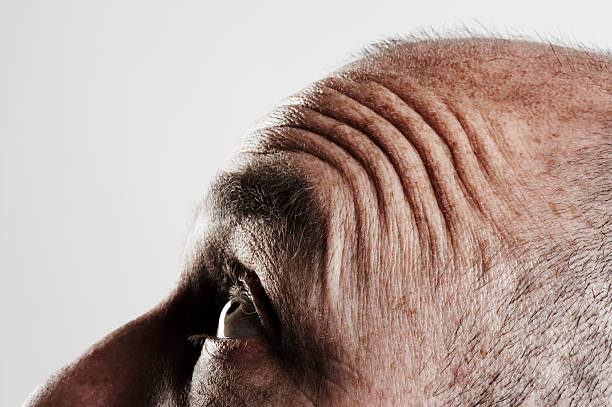
The formation of wrinkles is a universal sign of aging, yet the path to their development is not identical for everyone. While genetics and chronological aging provide the foundational blueprint, lifestyle factors are the powerful sculptors that etch their details onto our skin. Crucially, these lifestyle choices impact
men and
women in distinct ways, creating a gendered divergence in wrinkle patterns, severity, and timing. The differences stem from a complex interplay between biological starting points and socially influenced behaviors.Fundamentally,
men and
women begin with different biological canvases. Male skin is, on average, approximately 20-25% thicker than female skin due to higher collagen density. This inherent structural advantage often means that fine lines appear later in men. However,
men also have more active sebaceous glands, which can be a double-edged sword; while it may contribute to temporary moisturization, it does not prevent the deeper structural damage from lifestyle factors. Conversely,
women experience more dramatic shifts in hormone levels, particularly during menopause when the sharp decline in estrogen directly leads to reduced collagen production, skin thinning, and dryness. This biological shift makes post-menopausal skin uniquely vulnerable to lifestyle accelerants like sun exposure and smoking, which can suddenly make their effects more pronounced.Sun exposure stands as the primary external cause of premature aging, or photoaging, for all genders, but behavioral patterns alter its impact. Historically,
men have been more likely to work outdoors and less likely to use daily sunscreen or seek shade, leading to more intense, cumulative UV damage often manifested as deep, leathery texturing and pronounced crow’s feet. Women, while perhaps more conscientious about sunscreen use on the face, may engage in intermittent, high-intensity exposure through recreational sunbathing or tanning beds in pursuit of a cultural aesthetic, leading to a different pattern of photodamage including mottled pigmentation and finer wrinkles. The lifestyle choice of sun protection, therefore, has a disproportionately protective effect for women’s biologically more vulnerable skin post-menopause.Smoking is another potent wrinkle accelerator that exhibits gendered behavioral trends. The toxins in cigarette smoke degrade collagen and elastin while constricting blood vessels, starving the skin of oxygen and nutrients. While smoking rates have shifted, traditionally,
men smoked more heavily and for longer durations, leading to the classic “smoker’s face” with deeply etched lines around the
mouth and eyes. Women who smoke, however, face a compounded risk. Research suggests that the combination of smoking and estrogen decline can be particularly devastating for skin elasticity, leading to more severe wrinkling than in male smokers with comparable habits. The lifestyle choice to smoke thus interacts catastrophically with female biology.Furthermore, gendered social roles and stress expression leave their marks. Chronic stress elevates cortisol, which breaks down collagen. Men and
women often internalize and manifest stress differently due to both socialization and physiology. The physical manifestation of stress—such as furrowing the brow or clenching the jaw—can become ingrained as dynamic expression lines. Over time, these become static wrinkles. While not exclusive to one gender, societal pressures and emotional labor may influence the frequency of certain expressions. Additionally, lifestyle factors like alcohol consumption and sleep patterns, which also differ on average between genders, further influence inflammation and skin repair cycles, subtly altering the wrinkle landscape.In conclusion, wrinkles are not merely a function of time but a diary of one’s life, written in a gendered script. Lifestyle factors like sun exposure, smoking, and stress management do not act upon a neutral biological slate. They interact decisively with the inherent structural differences between male and female skin and with the behavioral patterns shaped by social norms. A man’s thicker skin may delay wrinkles but can be deeply carved by neglect of protection, while a woman’s skin, particularly after hormonal shifts, may show the consequences of lifestyle choices with greater sensitivity. Ultimately, understanding these nuanced interactions empowers individuals to make informed lifestyle choices for long-term skin health, recognizing that the most effective preventative strategies must consider both biological sex and personal habit.