The wind, often celebrated for its invigorating freshness, carries a hidden and potent threat to the health and appearance of our skin. While we diligently guard against the sun’s rays, the abrasive and dehydrating effects of windy conditions are frequently overlooked. Protecting your skin from the wind is not merely about comfort; it is a crucial component of a proactive skincare regimen aimed at preserving the skin’s integrity, moisture, and youthful resilience. The approach requires a layered strategy focused on barrier reinforcement, intense hydration, and mindful behavioral adjustments.The fundamental mechanism of wind damage is two-fold: physical and environmental. Constant gusts strip away the skin’s natural lipid barrier, the essential protective layer that locks in moisture and keeps irritants out. This process, known as transepidermal water loss, leaves the skin dehydrated, tight, and vulnerable. Simultaneously, wind often carries particulate matter—dust, pollen, and pollution—which can cause micro-abrasions and exacerbate inflammation. For those with sensitive skin, conditions like rosacea, or eczema, this combination can trigger significant flare-ups, redness, and discomfort. Therefore, the primary goal of protection is to create a resilient, fortified shield that the wind cannot easily penetrate.The cornerstone of this defense is a robust moisturizing routine. Begin with a gentle, non-stripping cleanser that does not further compromise the skin barrier. Following cleansing, while the skin is still slightly damp, apply a hydrating serum containing humectants like
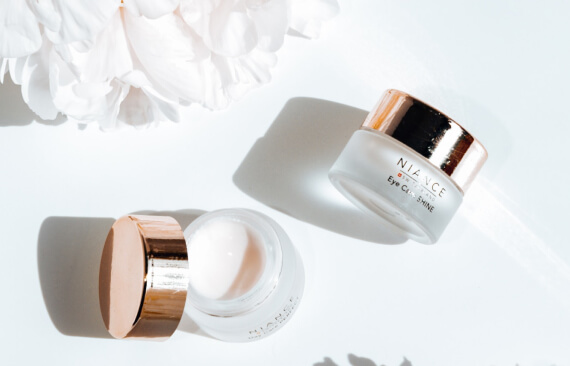
hyaluronic acid or glycerin. These ingredients act as moisture magnets, drawing water into the skin. The critical next step is to seal this hydration in with a richer, emollient moisturizer. Look for formulations with occlusive ingredients such as shea butter, ceramides, squalane, or dimethicone. These components create a protective film on the skin’s surface, mimicking the natural lipid barrier and providing a physical buffer against the wind’s drying effects. Do not neglect the lips and the delicate eye area, which are particularly susceptible to chapping; a waxy lip balm and a nourishing eye cream are non-negotiable additions.Beyond skincare products, physical barriers offer the most direct protection. A broad-spectrum sunscreen is imperative, as wind does not diminish UV radiation; in fact, sun damage can be more severe when the skin’s defenses are already lowered. Over this, consider using a makeup primer or a dedicated barrier cream if you anticipate prolonged exposure. Most importantly, utilize clothing as armor. A soft, high-necked scarf wrapped around the lower face, a wide-brimmed hat to protect the
forehead and cheeks, and sunglasses to shield the
eyes and the surrounding skin are simple yet highly effective measures. These items block the wind directly, prevent chapping, and offer additional sun protection.After exposure, a reparative approach is vital. Cleanse gently to remove any accumulated debris, but avoid hot water and harsh scrubbing, which can further irritate compromised skin. Replenish with an extra layer of your richest moisturizer or a dedicated recovery balm. For intense redness or sensitivity, products containing calming ingredients like centella asiatica, aloe vera, or colloidal oatmeal can provide soothing relief. Remember that hydration also comes from within; increasing your water intake on windy days helps support the skin’s internal moisture balance.Ultimately, protecting your skin from the wind is an act of preventative care. It requires recognizing wind not as a benign element but as an environmental stressor that demands a specific response. By consistently implementing a strategy that combines intensive moisturization, fortified barriers, and smart physical coverings, you can ensure your skin remains healthy, comfortable, and resilient, no matter how fiercely the winds blow. This holistic defense preserves not only your skin’s immediate comfort but also its long-term health and vitality, proving that the most effective skincare adapts thoughtfully to the challenges of the environment.