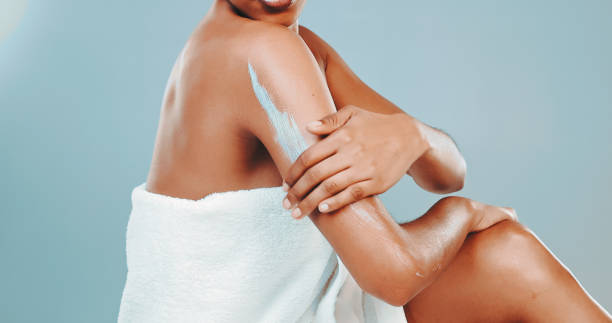
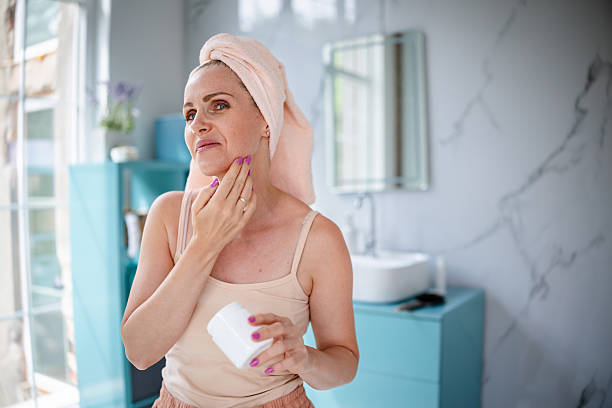
You know that feeling right after you wash your face—when your skin feels squeaky clean, almost like it needs a drink of water? That’s not a good thing. It means you just stripped away the very layers that keep your skin looking plump and young. Think of your skin’s moisture barrier as a protective shield made of two key players: squalane and ceramides. When you understand what they do and how to keep them happy, you’ll finally see why some women at forty have smoother, softer skin than others at thirty. The secret isn’t magic. It’s a simple understanding of how your skin actually works.
Your moisture barrier is exactly what it sounds like—a layer on the surface of your skin that holds water in and keeps irritants out. When it’s working well, your skin feels bouncy, looks dewy, and reflects light evenly. When it’s damaged, water escapes, skin gets tight and flaky, and here’s the kicker: fine lines appear deeper because they’re dehydration lines, not true wrinkles. You can spend hundreds on anti-aging serums, but if your barrier is compromised, those ingredients can’t do their job properly. They either evaporate or sit on the surface. So barrier support isn’t a nice-to-have. It’s the foundation of every wrinkle-prevention strategy you’ll ever try.
That’s where squalane comes in. Squalane is a lightweight, plant-derived oil that your skin actually recognizes because your own sebum (the natural oil you produce) contains something similar. The beauty of squalane is that it soaks in fast without feeling greasy. It acts like a softener, filling the tiny gaps between your skin cells so that moisture has nowhere to escape. It’s also an excellent go-between: it helps other ingredients, like ceramides, penetrate better. If your skin feels tight after cleansing or turns shiny by noon, a few drops of squalane could rebalance things overnight. Just a tiny amount—that’s all you need.
Ceramides are the other half of the story. Imagine your skin cells as little bricks, and ceramides as the mortar that holds those bricks together. Without enough mortar, the wall gets crumbly, and water leaks out. With age, your natural ceramide levels drop—that’s a fact of life. But you can absolutely replenish them with moisturizers that list ceramides near the top of the ingredient list. Unlike squalane, ceramides are heavier and work best as part of a cream or lotion. They also play a role in telling your skin to slow down its water loss. This is the real reason dermatologists keep talking about them: they’re not just humectants that pull water in, they’re structural supporters that keep what you already have.
Now, here’s how to make both work for you without turning your routine into a lab experiment. After you cleanse, while your skin is still slightly damp, apply a squalane-based serum or even pure squalane oil. Press it in with your palms. Then follow up with a ceramide-rich moisturizer. That order matters—the squalane preps your skin, the ceramides lock it all down. In the morning, you don’t need to do this again. Just a gentle cleanse and a ceramide moisturizer with SPF will do. At night, let the duo work while you sleep. Keep it simple.
What about layering with other treatments like retinol or vitamin C? It’s actually smart to use squalane and ceramides as buffers. If you apply retinol and feel irritation, you’ve damaged your barrier. Instead, mix a drop of squalane into your retinol to dilute it slightly, or apply retinol, wait twenty minutes, then put on your ceramide cream. That way you still get the anti-aging benefits without the raw, red aftermath. Same goes for exfoliating acids—don’t overdo it. Over-exfoliation is one of the fastest ways to wreck a healthy barrier, and it makes wrinkles look worse, not better.
A common mistake is thinking oily skin doesn’t need these ingredients. Wrong. Oily skin can still have a damaged barrier—that’s often why it overcompensates by producing more oil. Squalane is non-comedogenic, meaning it won’t clog pores. Ceramides are already in your skin, so they won’t cause breakouts either. Use a lighter formulation, like a gel-cream with ceramides, and just one drop of squalane. Your skin will finally stop screaming for help by pumping out excess oil.
Also consider your environment. Dry indoor heat, harsh winds, and even air conditioning all pull moisture from your skin. That’s when your barrier takes the biggest hit. If you live somewhere with extreme seasons or spend hours indoors, don’t wait for tightness to show up. Incorporate squalane and ceramides daily, not as a rescue treatment. Prevention is always easier than correction when it comes to lines and wrinkles.
The bottom line? Preventing wrinkles isn’t just about smoothing what’s already there. It’s about stopping the water loss that makes new lines appear. By giving your skin squalane and ceramides daily, you’re building a barrier that looks calm, feels comfortable, and ages better. No weird terminology, no clinical jargon, no need to become a skincare chemist. Just two ingredients that do the heavy lifting your skin’s been begging for. Start tonight—your future face will thank you.