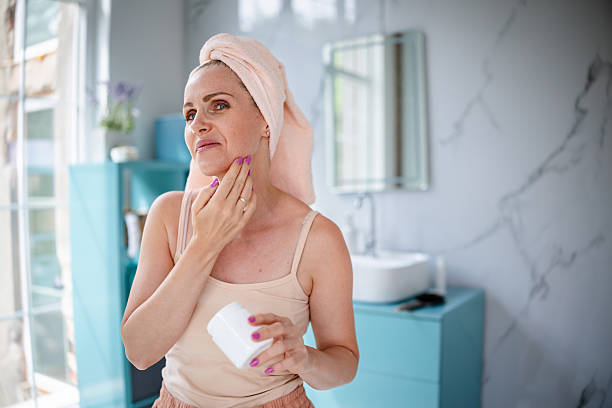
If your skin feels tight after washing, looks dull by 3 p.m., or stings when you apply products that used to be fine, your barrier is asking for help. Think of your barrier as a brick wall. Skin cells are bricks. Between them is mortar made of fats your skin naturally produces. That mortar keeps water in and irritants out. When it gets depleted by sun, dry air, over-cleansing, or daily life, you get the signs: flaking, redness, rough patches, and fine lines that look deeper because skin is dehydrated. Squalane and ceramides step in like a repair crew. They help rebuild the mortar so your skin can hold moisture on its own.
Squalane is the lightweight one. It’s a moisturizing ingredient that mimics squalene, a substance your skin makes naturally. But squalene is unstable and can go rancid; squalane is the stable, skin-friendly version. What makes squalane useful is how easily it sinks in. It doesn’t feel heavy or greasy. It softens the surface, smooths rough texture, and creates a breathable seal that slows water loss. If you’ve used a face oil that felt like a drink of water for your skin, you’ve experienced squalane. It’s especially good if you want moisture without a thick cream, or if richer balms cause breakouts. Squalane plays well with almost everything, including retinol and vitamin C, which can be drying at first.
Ceramides are the quiet structural heroes. They’re fats that occur naturally in your skin barrier, and they make up a big part of that mortar between your skin cells. Think of ceramides as the grout in a tile floor. Without enough of them, the tiles shift. Water leaks out. Irritants sneak in. Your skin loses its smooth, cushioned look. Skincare ceramides can be plant-derived or lab-made to match the ones your skin uses. They don’t just add moisture; they help repair the barrier so your skin becomes better at holding moisture. That’s why ceramides are often recommended for dry skin, sensitive skin, and skin stressed by too many active ingredients. They’re also helpful as you get older, because your skin’s natural ceramide levels drop over time. Replacing them is like giving your barrier a fresh coat of mortar.
The magic happens when squalane and ceramides work together. Squalane gives immediate softness and helps seal in water. Ceramides go deeper into the barrier structure and support long-term repair. One is the quick fix; the other is the foundation. Together, they create a moisturizing effect that feels luxurious but also does real work. You’ll notice it in how your skin feels after cleansing: less tight, less reactive, more comfortable. Over a few weeks, you may see a smoother surface, a calmer tone, and fine lines that look less pronounced because your skin is properly hydrated. This duo is also great under makeup. Squalane helps foundation glide on without pilling, while ceramides keep your skin from looking dry and patchy by lunchtime.
How to use them? You don’t need a complicated routine. Look for a moisturizer or serum that lists squalane and ceramides near the top of the ingredient list. If you have oily skin, a lightweight lotion with squalane and ceramides is enough. If you’re dry, layer a ceramide cream over a squalane serum, or choose a rich moisturizer that contains both. Apply to slightly damp skin after cleansing. That helps trap water before it evaporates. If you use retinol, acids, or prescription treatments, this pair is especially useful. They can cushion the irritation without canceling out the benefits. You can use them morning and night. They’re gentle and safe for most skin types, including sensitive skin.
The bottom line is simple. You can chase glow with harsh scrubs and strong peels, but healthy skin starts with a strong barrier. Squalane and ceramides are not flashy. They won’t promise a miracle in one night. What they do is more valuable: they help your skin keep water, defend itself, and look plump and calm. That’s the kind of support that makes every other product work better. If your skin has been feeling thirsty, sensitive, or just off, give it this pair. Your barrier will thank you, and you’ll see it in the mirror.