Oily skin that feels tight after cleansing is not a contradiction. It is usually a sign that your skin is losing water faster than it can hold onto it, so it pumps out oil to compensate. That shine across your forehead by lunch is not necessarily proof that you need to dry things out. In fact, drying things out can make the tight feeling worse and send oil production into overdrive. This is where squalane and ceramides earn their place. They do not fight oil. They help your skin hold onto water so it can calm down and stop overreacting.
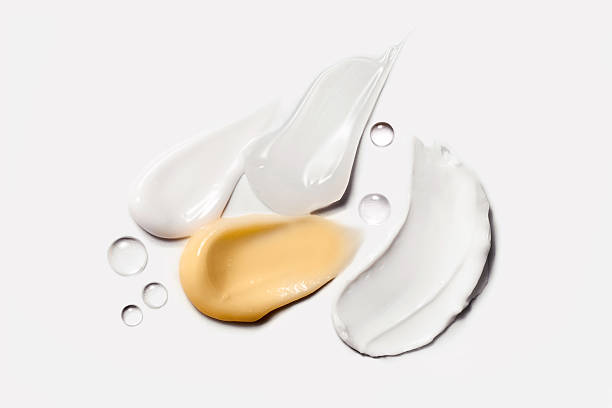
Ceramides are the first step. Think of your skin barrier as a brick wall. The skin cells are the bricks, and ceramides are part of the mortar that keeps the bricks packed together. When that mortar gets depleted by harsh cleansers, cold weather, hot showers, retinol, or too many acid products, water slips out and irritants slip in. Your skin feels tight, looks dull, and often gets greasy because it is trying to protect itself. A ceramide serum or light lotion helps replace some of that missing mortar. You do not need a heavy cream to get the benefit. Many ceramide products come in thin lotions or gels that sit nicely under makeup and do not make oily skin feel smothered.
Squalane is the second step, and it is optional depending on how your skin feels. Squalane is a light, stable oil that behaves a lot like the oil your skin already makes. It softens the surface and slows down water loss without the heaviness of a thick face oil. If your skin feels rough and tight even after moisturizer, or if your makeup looks patchy by midday, a few drops of squalane can make a real difference. If you are very oily, you may only need it at night or only on your cheeks and outer face, not across your whole T-zone. More is not better here. Two or three drops pressed over the face is usually enough.
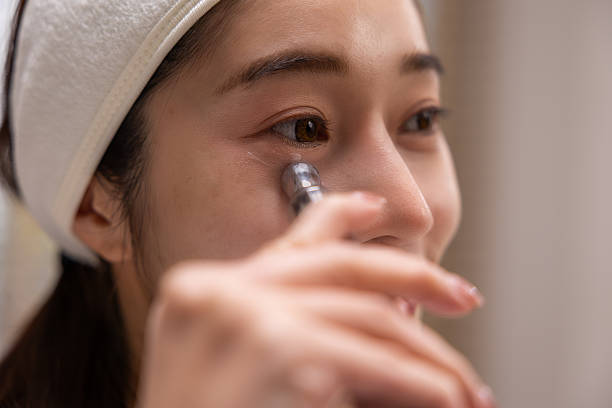
The order matters, but it is simpler than most routines make it seem. Cleanse gently, and skip the squeaky-clean feeling. That tight, stripped sensation is not proof of clean skin. While your skin is still damp, apply your ceramide serum or lotion and press it in. Give it about thirty seconds, then add squalane if you are using it. Warm the drops between your palms and press them over your face instead of rubbing hard. In the morning, follow with sunscreen. At night, you can use a slightly richer ceramide cream if your skin still feels tight, but you do not need to pile on five oils and three moisturizers.
If you use retinol or exfoliating acids, ceramides are especially useful. They support the barrier while those products do their job, but they are not a free pass to overdo it. If your skin stings, flakes, or feels tight every day, cut back on the actives before you add more products. Squalane can also help buffer irritation, but it cannot fix a routine that is too aggressive. The goal is calm, comfortable skin, not a routine that keeps your barrier in emergency mode.
Texture is your feedback loop. If your sunscreen pills or your makeup slides, you probably used too much squalane or did not let your ceramide layer settle. Start with one product at a time. Use the ceramide lotion for a week, then add squalane at night if you still feel tight. If you are acne-prone, keep squalane to the dry patches first and watch how your skin responds. A good routine should feel boring in the best way. Your skin should feel soft, not slick, and comfortable, not tight.
The payoff is not instant glamour. It is the quiet improvement you notice after a couple of weeks: less tightness after washing, less midday shine, and makeup that sits more smoothly. Oily skin still needs moisture. Squalane and ceramides help you give it moisture without turning your face into a slip-and-slide. Use them lightly, layer them in the right order, and let your skin tell you when enough is enough.