You look in the mirror and something is different. Not in a fine-line way. The overall shape of your face has shifted. Your cheeks sit a little lower. Your jawline feels softer. This isn’t your imagination, and it isn’t a failure of your skincare routine. After menopause, the structural scaffolding of your face changes in predictable ways. Understanding what’s happening is the first step to dealing with it smartly.
Think of your face like a well-made bed. The skin is the quilt, the fat pads are the batting, and the bones are the frame. For decades, that bed stays neatly made. Then hormonal shifts after menopause turn down the production of support fibers—the stuff that keeps skin springy and fat pads in place. The frame itself also thins slightly. The result: less volume where you want it, more sagging where you don’t. Specifically, the midface—the area around your cheekbones and upper jaw—loses fat padding. That padding used to hold up your lower face. When it deflates, your nasolabial folds look deeper, your jowls appear, and your under-eye area looks hollow. This is structural change, not just surface dryness.
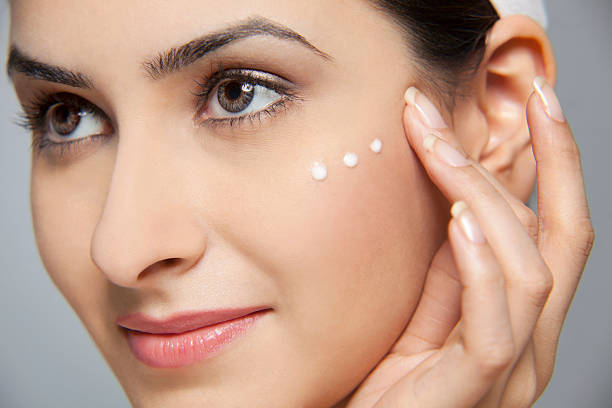
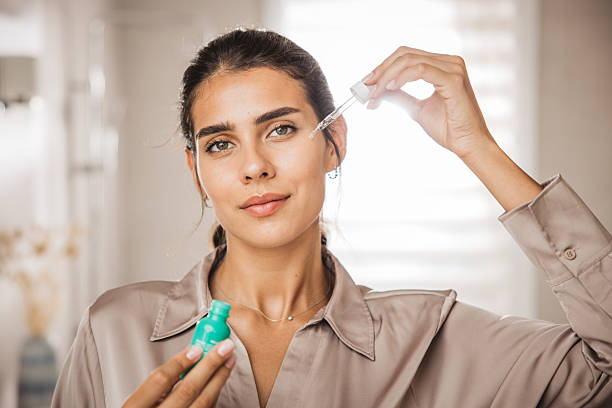
So what can you actually do? First, protect the frame you have. Sun damage accelerates bone loss and breaks down support fibers. Daily broad-spectrum sunscreen—yes, even in winter, even on cloudy days—is non-negotiable. Apply it to your neck and hands too. Second, feed your skin the ingredients that support its own repair. A retinoid at night (start slow, twice a week, then build up) helps thicken the deeper layers of skin. A vitamin C serum in the morning defends against daily wear and tear. Moisturizer with ceramides keeps the barrier strong so your skin doesn’t look crepey on top of being lax.
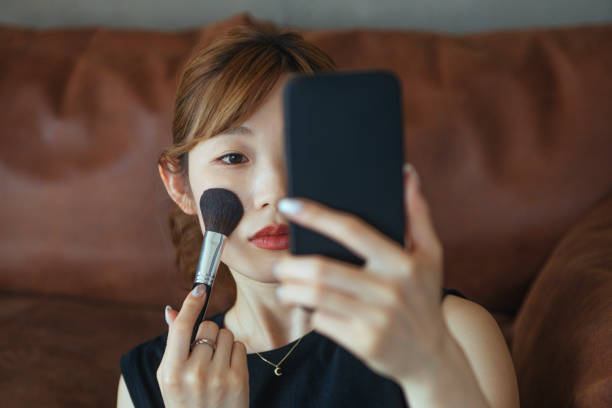
But here’s the direct truth: no cream will restore lost fat. For that, you need to think about volume. Facial exercises? They can tone muscles slightly, but they won’t refill a deflated cheek. What does work is strategic use of light and shadow. Makeup artists call it “sculpting.“ A slightly lighter concealer under the eyes and along the upper cheekbone, a touch of cream blush on the apple of the cheek (not below), and a soft contour just under the jaw can create an illusion of lift. It’s not surgery, but it’s effective for daily life.
If you want more than illusion, talk to a board-certified dermatologist about treatments that rebuild structure. Options range from temporary fillers to stimulate your own collagen production, to radiofrequency devices that tighten skin, to more invasive procedures. There’s no shame in any of it. The key is to choose based on your actual anatomy and budget, not on what a filter tells you you should look like.
One more structural factor: posture. After menopause, bone density drops, and many women develop a slight forward head position. That posture pulls your facial muscles downward and makes jowls look worse. Standing tall with shoulders back won’t erase wrinkles, but it instantly improves how your face hangs. Try it in the mirror. You’ll see the difference. Weight-bearing exercise—walking, light strength training—helps preserve bone density in your jaw and cheekbones. That’s not vanity; it’s structural maintenance from the inside out. And drink water consistently. Dehydrated skin looks more crepey and less resilient, which exaggerates every structural change.
Finally, sleep and stress matter more than you think. Poor sleep raises cortisol, which breaks down support fibers. Chronic stress does the same. You can’t eliminate either, but you can protect your face by prioritizing rest and finding a stress outlet that doesn’t involve scrolling. A walk, a stretch, a phone call with a friend—these are legitimate skincare steps. Alcohol is another sneaky factor. It dehydrates skin and disrupts sleep, so keep it moderate if you want your face to look rested.
The bottom line: post-menopausal structural changes are real, and they’re not your fault. You can’t stop time, but you can work with your face instead of fighting it. Protect your skin, support its repair, use light and shadow wisely, and consider professional options only if they align with your goals. Start with the free stuff: sunscreen, posture, sleep, and a good concealer. Then decide if you want to invest more. That’s a smart strategy at any age. Your face is still yours. It just needs a different kind of maintenance now.