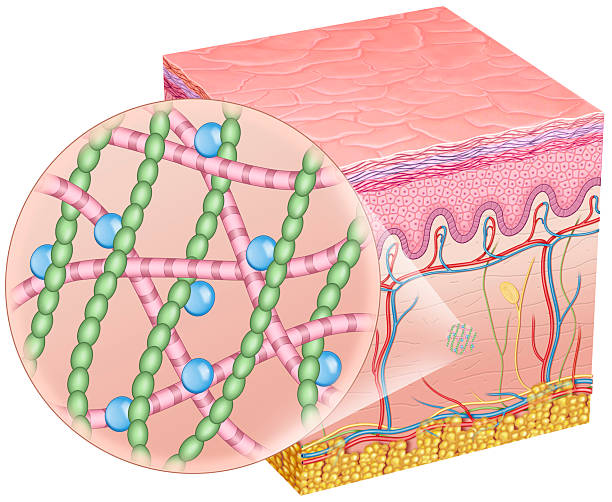
The quest to understand and combat facial aging often leads to a focal point: the mouth. While wrinkles can appear anywhere, the skin surrounding the lips—encompassing smile lines, marionette lines, and vertical lip lines—seems particularly vulnerable to early and pronounced signs of aging. This predisposition is not a matter of chance but a consequence of a perfect storm of anatomical, behavioral, and environmental factors that conspire to make this delicate area a wrinkle hotspot.Anatomically, the perioral region is fundamentally different from the skin on the rest of the face. Most notably, it lacks the robust oil gland network that provides natural lubrication and protection. This inherent dryness means the skin is less supple and more susceptible to dehydration, a key driver of fine lines. Furthermore, the dermis here is relatively thin, offering less structural support from collagen and elastin fibers. Crucially, this thin skin is anchored to the underlying orbicularis oris muscle, the complex sphincter responsible for all
mouth movements. Every conversation, smile, sip, or kiss engages this muscle, creating constant, repetitive folding of the skin. Over decades, these temporary creases etch themselves into permanent grooves, much like repeatedly folding a piece of paper.This leads directly to the profound impact of expression and lifestyle. The
mouth is the epicenter of facial expression and daily function. Unlike the forehead, which may see intermittent movement, the
mouth area is in near-constant motion. Smoking is a particularly aggressive accelerator of perioral wrinkles, combining the repetitive pursing action with the exposure to heat and toxins that directly damage collagen. Dietary habits and even drinking from a straw can contribute to similar pursing motions. Additionally, the natural loss of facial volume that occurs with
age plays a significant role. As fat pads in the
cheeks diminish and bone density decreases, the supportive architecture for the skin weakens. This loss of underlying support leads to sagging, deepening the folds that run from the nose to the
mouth and from the
mouth down to the jawline, known as nasolabial and marionette lines, respectively.Of course, universal aging factors also concentrate their effects here. Chronic exposure to ultraviolet radiation from the sun is the primary cause of extrinsic aging. Photoaging breaks down collagen and elastin through the process of solar elastosis, weakening the skin’s resilience. The flat planes around the
mouth often receive unfiltered sun exposure, accelerating this damage. Simultaneously, the body’s intrinsic aging process slows the production of new collagen and elastin. The combination of decreased production and increased degradation results in skin that is thinner, less elastic, and more prone to creasing. Compounding this is the tendency for many people to neglect applying sunscreen and moisturizer meticulously around the lips, leaving this zone disproportionately exposed to daily environmental insults.In essence, the skin around the
mouth wrinkles early and prominently due to a convergence of vulnerabilities. It is a region of thin,
dry skin, perpetually in motion due to expression and habit, and heavily influenced by the loss of underlying structural support. When these intrinsic characteristics are compounded by universal forces like sun exposure and the natural decline of collagen, the result is an area that acts as a clear billboard for the aging process. Understanding this multifaceted assault is the first step in developing a defensive strategy, emphasizing targeted moisturization, rigorous sun protection, and lifestyle mindfulness to help smooth the path ahead.