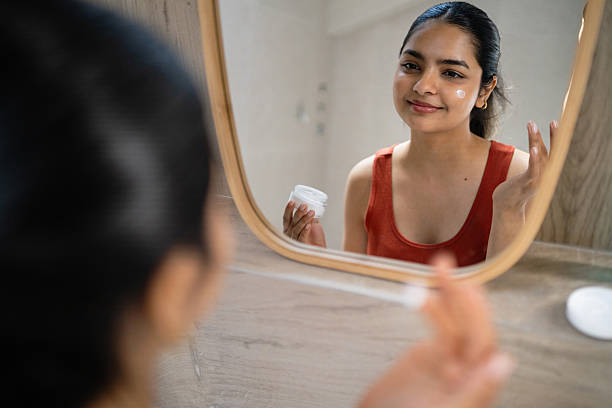
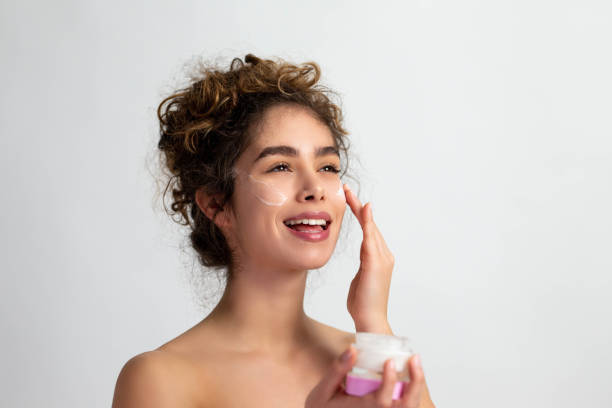
If you have medium skin, you already know the frustrating pattern. A breakout heals, but it leaves a brown mark. A sunny weekend shows up as uneven patches on your cheeks. A new product stings, and instead of just calming down, your skin darkens. It can feel like your skin remembers everything. The good news is that medium skin is also resilient, forgiving, and capable of a gorgeous, even glow when you give it the right care. It has its own rules.
Medium skin tones—think olive, golden, beige, light brown, and warm tan—have more natural color than fair skin. That color is protective, but it can also overreact. When your skin gets stressed by sun, heat, picking, harsh scrubs, or hormones, its color-making cells can shift into overdrive. The result is dark spots, patches, and marks that linger long after the original irritation is gone. Medium skin sits in the middle: enough natural color to create dark marks, enough contrast to see them clearly. That is why your dark spots can feel so stubborn.
The number one trigger is sun. Not just a beach day. The sun you get walking to your car, sitting near a window, or running errands adds up. If you are trying to even out your skin and you skip sunscreen, you are fighting a losing battle. You need a broad-spectrum sunscreen with at least SPF 30 every single morning, even when it is cloudy. Apply enough to cover your face and neck—about two fingers’ worth—and reapply every two hours when you are outside. A tinted sunscreen is a smart choice because it blends better on medium skin and helps hide the spots while they fade. Make sunscreen the one product you never skip. It is the foundation of everything else.
Next, be careful with actives. Vitamin C is your morning friend. It helps brighten and defend against the daily damage that leads to new spots. Niacinamide is another quiet hero. It calms irritation and supports a more even tone without stripping your skin. At night, retinol can help speed up the fade of old marks by encouraging fresher, smoother skin to come to the surface. But here is the catch: more is not better. If you pile on strong products, your skin gets irritated, and irritated medium skin often responds with more dark spots. Introduce one new product at a time. Use it for a few weeks, and back off if it stings or turns red. Gentle consistency beats aggressive chaos every time.
Hormones can also play a role. Many women with medium skin notice dark patches on the upper lip, cheeks, or forehead during pregnancy, after starting or stopping birth control, or during other hormonal shifts. Sun and heat make these patches worse. If this sounds familiar, sunscreen is non-negotiable, and it is worth talking to a dermatologist about prescription options that are safe for your skin. Skip lemon juice, baking soda, and rough scrubs; they invite more pigment.
If acne is part of your story, treat it gently and do not pick. Picking is the fastest way to turn a small pimple into a long-lasting brown mark. Use a spot treatment that contains salicylic acid or benzoyl peroxide, and keep your hands off your face. Pimple patches can help you resist the urge. If you already have marks from old breakouts, be patient. They fade, but they fade on their own schedule. Your job is to stop new ones from forming while you support the ones you have.
For a simple routine, think calm, bright, protect. In the morning, use a gentle cleanser, a vitamin C serum, a lightweight moisturizer, and sunscreen. At night, cleanse, then use either a retinol or niacinamide, followed by moisturizer. If your skin is sensitive, alternate nights. If you want faster results and have the budget, in-office treatments like gentle lasers, chemical peels, and microneedling can help. But medium skin requires an experienced provider. The wrong setting or too much heat can make pigment worse, not better. Ask about their experience with medium skin tones. Do not bargain hunt on your face.
Your goal is not to erase your natural color. It is to keep that color even, healthy, and glowing. Medium skin is not difficult. It is just specific. Give it daily sun protection, gentle brightening, and patience, and you will see fewer new spots, softer old ones, and a complexion that looks like you—only clearer. Stay consistent. Your future face will thank you.