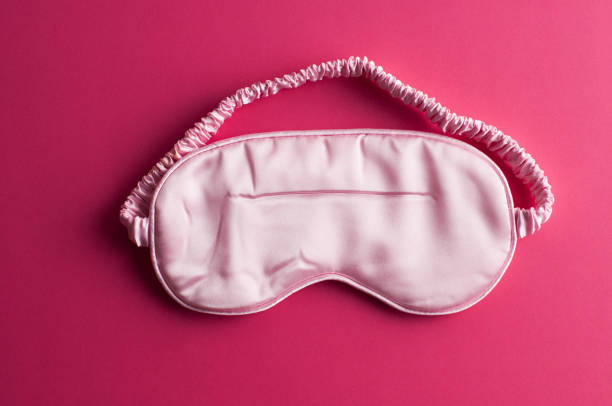
You already know that feeling when you only got a few hours of sleep. Your
eyes look puffy. Your face seems a little saggy. And those small lines around your
mouth and
eyes look deeper than usual. That is not just in your head. When you do not sleep well, your skin shows it. And the truth is, if you want to keep wrinkles away for as long as possible, getting enough shut-eye might be the most important thing you do all day.Think about what happens when you sleep. Your body goes into repair mode. Your blood flow increases to your skin, which brings oxygen and good stuff that helps your face stay plump and firm. Your body also makes more of that natural oil that keeps your skin soft. And this is the big one: while you sleep, your body fixes the everyday damage from things like sunlight and pollution. If you cut your sleep short, you are skipping that repair session. Over time, those little misses add up, and your skin starts to show the wear and tear faster.There is also something called your stress hormone. When you do not sleep enough, your body makes more of it. That hormone breaks down the parts of your skin that keep it springy and smooth. So not only do you miss out on repair time, but you also speed up the break-down process. That is a double hit you do not want.Now, here is a simple trick most people do not think about. The position you sleep in matters. If you are a side sleeper or a stomach sleeper, you are pressing your face into your pillow for hours every night. Over time, those lines become etched into your skin. They start as temporary creases but can turn into permanent wrinkles. Try to sleep on your back as much as you can. It takes some getting used to, but it stops your face from getting squished. If you absolutely cannot sleep on your back, get a smoother pillowcase. Cotton can cause friction. Silk or satin lets your face slide instead of getting pressed into creases. That one change alone can make a big difference in how many sleep lines you wake up with.Also, think about your bedtime routine. Going to bed at the same time every night helps your body get into a rhythm. When your sleep schedule is all over the place, it messes with your skin’s natural repair clock. Try winding down an hour before bed. No phone or computer screen. The blue light from screens actually tricks your brain into thinking it is daytime and can mess up your sleep quality. Instead, read a book, take a warm bath, or do some gentle stretching. Your skin will thank you.What about how much sleep you actually need? Most people need seven to nine hours. But it is not just about hours. It is about quality. If you wake up a lot during the night, you are not getting the deep sleep where most of the repair happens. If snoring or waking up tired is a problem, it might be worth checking with your doctor. But for most of us, simple changes like keeping your room dark and cool can help you sleep deeper.Drinking water during the day also helps. When you are dehydrated, it shows in your skin. And if you drink a big glass of water before bed, you might wake up to pee, which messes up your sleep. So drink plenty earlier in the day, and go easy in the evening.One more thing: your pillowcase itself. Besides the material, make sure it is clean. Dirty pillowcases collect oil, dead skin, and bacteria that can clog your pores and cause breakouts. Breakouts leave marks that
age your skin look. Swap your pillowcase at least once a week.The bottom line is simple. You can spend a lot of money on creams and treatments, but if you are not sleeping well, you are fighting a losing battle. Sleep is when your skin gets its best chance to bounce back and stay smooth. Make it a priority. Your face will look brighter, less puffy, and those fine lines will take longer to show up. And the best part? It is free. Just set a bedtime, stick to it, and give your skin the rest it deserves.