For those with dry skin, the quest for lasting hydration and comfort can feel like a constant battle against tightness, flakiness, and a dull complexion. The secret to winning this battle lies not in a single miracle product, but in the strategic art of layering. The best way to layer products for dry skin follows a fundamental principle: apply formulations from thinnest, water-based consistencies to thickest, oil-based ones. This method ensures each product is effectively absorbed, building a protective barrier that locks in moisture throughout the day or night.
The ritual begins with a gentle, hydrating cleanser that removes impurities without stripping the skin’s natural oils. Harsh, foaming formulas are the enemy here; instead, one should opt for creamy, milky, or balm textures that cleanse while maintaining the skin’s delicate balance. Patting the skin dry—never rubbing—leaves it slightly damp, which is the perfect canvas for the next critical step: a hydrating toner or essence. This stage is often overlooked but is transformative for dry skin. These liquid formulations, free of astringent alcohol, deliver an immediate surge of hydration and often contain humectants like hyaluronic acid or glycerin. Applied to damp skin, they act as a moisture magnet, preparing the skin to drink up the subsequent, richer treatments that follow.
Following this liquid infusion, the focus shifts to targeted treatments. This is where one would apply any concentrated serums or ampoules. For dry skin, serums rich in humectants, ceramides, or nourishing ingredients like niacinamide are ideal. These potent, often water-based solutions penetrate deeply to address specific concerns such as fine lines, extreme dehydration, or barrier repair. The thin viscosity of serums allows their active ingredients to sink in effectively before heavier creams are applied. If using multiple serums, the same rule of thin-to-thick applies, ensuring each layer can perform its intended function without being blocked.
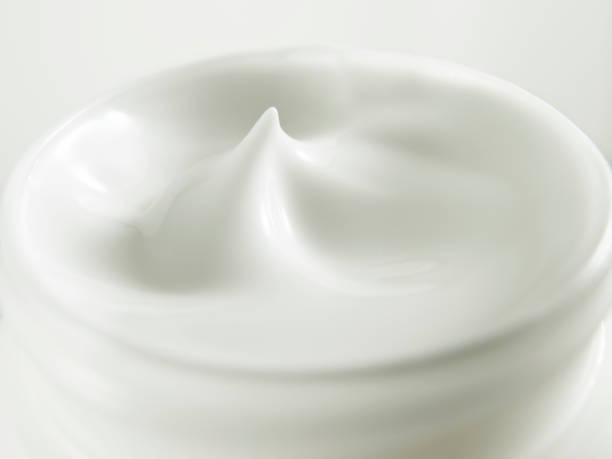
Now, the routine begins to seal in all that preparatory hydration. Eye creams, which are specifically formulated for the delicate orbital area, come next. Gently tapped with the ring finger, they address concerns like dryness and creping without migrating into the eyes. The cornerstone of any dry skin regimen, however, is the moisturizer. This step provides the essential occlusive layer that prevents all the previously applied hydration from evaporating. A rich, emollient cream packed with ingredients like shea butter, squalane, or fatty acids reinforces the skin’s lipid barrier, creating a supple and comfortable feel. For many, this may be the final step in a morning routine before sunscreen.
At night, or during periods of extreme dryness, the layering process culminates with a facial oil or sleeping mask. Oils are the ultimate occlusives; their lipid molecules sit on the very surface of the skin, forming a protective seal over the moisturizer and everything beneath it. A few drops of jojoba, rosehip, or marula oil pressed into the skin can make a profound difference in overnight recovery and morning softness. Alternatively, a nourishing sleeping mask provides a similar long-term, barrier-boosting treatment.
Ultimately, the best layering technique for dry skin is a thoughtful, sequential build of hydration and protection. It is a symphony where each product plays a distinct role—the toner hydrates, the serum treats, the cream nourishes, and the oil seals. By respecting the order of viscosity and allowing moments for gentle absorption between layers, one transforms a simple routine into a powerful ritual. This methodical approach doesn’t just temporarily relieve dryness; it coaches the skin toward greater resilience, resulting in a healthier, more radiant complexion that feels comforted and cared for from within.