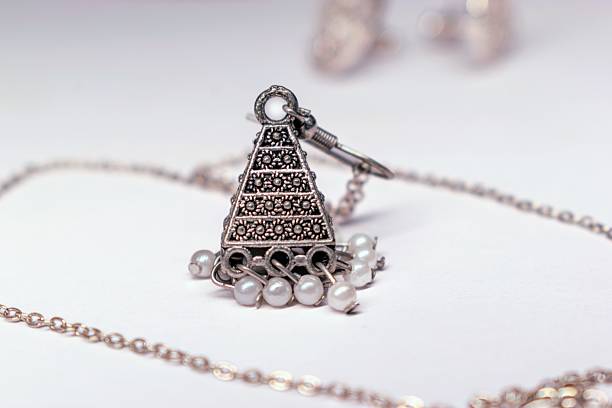
For centuries, earrings have been a cornerstone of personal adornment, a means of expressing style, culture, and identity. From delicate studs to dramatic, dangling chandeliers, the weight we suspend from our earlobes varies immensely. While the immediate concerns of stretched lobes or discomfort are well-known, a more subtle and long-term question arises: can the consistent wear of heavy earrings actually contribute to the formation of wrinkles on the face? The answer, supported by dermatological insight and the basic principles of anatomy, is a nuanced yes. The prolonged use of heavy earrings can indeed create mechanical forces that may accelerate and influence wrinkle formation in specific areas of the face.The primary mechanism at play is one of constant, low-grade gravitational pull and mechanical stress. The skin on our face and
neck is a complex, dynamic organ, anchored by a network of connective tissues, collagen, and elastin fibers that provide structure and elasticity. When heavy earrings are worn regularly, they exert a downward force not just on the earlobe itself, but on the surrounding skin and underlying structures. This persistent tugging can, over time, contribute to a loss of elasticity in the skin of the lower face and jawline, a process akin to the gradual stretching that leads to sagging. This subtle descent of tissue can accentuate existing lines, particularly along the jaw and the nasolabial folds—the lines that run from the nose to the corners of the mouth—making them appear deeper and more pronounced.Furthermore, the act of wearing heavy earrings often triggers compensatory muscular movements that can lead to dynamic wrinkles. To counteract the sensation of weight or the physical pull on the ear, individuals may unconsciously adjust their posture, tilting their head slightly or tightening the muscles in their
neck and jaw. More significantly, the simple act of feeling the earrings move with every turn of the head can create a subconscious sensory distraction. This may lead to repeated, subtle facial expressions—such as a slight tightening of the cheek or a raising of the lower face to counter the swing—that engage the platysma muscle in the
neck and the muscles around the mouth. Just as squinting can etch crow’s
feet and frowning can carve glabellar lines, these small, repeated motions can, over years, etch temporary lines into the skin that eventually become permanent fixtures, even when the earrings are removed.It is crucial, however, to contextualize this risk within the broader landscape of skin aging. The contribution of heavy earrings to wrinkling is likely a secondary factor, far less significant than the primary drivers of photoaging from sun exposure, the natural loss of collagen and elastin with age, genetics, and lifestyle factors like smoking. The effect of earrings is highly localized and cumulative, meaning it results from years of consistent wear rather than an occasional evening out. The extent of the impact also depends on individual factors such as skin quality, natural elasticity, and the sheer weight and design of the jewelry itself. A pair of heavy, lever-back hoops that swing freely will exert more dynamic force than a solid, stationary pendant of the same weight.In conclusion, while heavy earrings are not a primary cause of widespread facial wrinkling, they can be a contributing mechanical factor in specific areas. The combination of direct gravitational pull on skin elasticity and the indirect creation of repetitive facial movements creates a plausible pathway for the accentuation and premature formation of lines along the lower face, jaw, and neck. For those who cherish their statement earrings, moderation is key—reserving the heaviest pieces for special occasions, opting for lighter materials, and ensuring proper support like well-fitting backs can help mitigate these effects. Ultimately, understanding this connection empowers individuals to make informed choices about their accessories, blending a love for bold jewelry with a proactive approach to maintaining skin health over a lifetime.