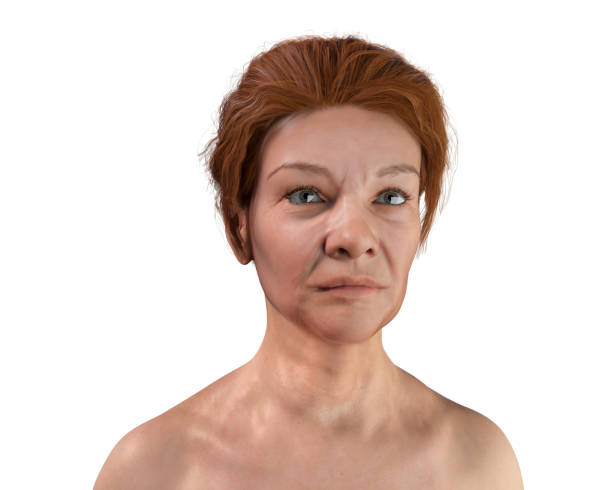
The quest to understand and mitigate wrinkle formation often focuses on well-known culprits like sun exposure and genetics. However, the very air we breathe plays a significant, yet underappreciated, role in skin aging. A humid climate, characterized by high levels of moisture in the atmosphere, exerts a complex influence on the skin, one that can both delay and subtly contribute to the formation of wrinkles over time. The relationship is not one of simple cause and effect but a dynamic interplay between immediate cosmetic benefits and long-term structural considerations.At the most immediate and visible level, humidity acts as a natural hydrator for the skin. The stratum corneum, the skin’s outermost layer, readily absorbs moisture from a water-saturated environment. This influx of hydration causes skin cells to plump up, temporarily smoothing out the appearance of fine lines and wrinkles that become more pronounced when the skin is dehydrated. The skin feels softer, more supple, and exhibits a healthier glow because its natural moisture barrier is supported, reducing transepidermal water loss. In this sense, residing in a humid
climate can provide a constant, ambient moisturizing effect, making existing wrinkles less noticeable and potentially slowing the early emergence of fine lines associated with
dry skin.Beyond surface-level hydration, humidity supports the skin’s critical barrier function. When the skin is well-hydrated, its lipid matrix remains more intact and functional. This robust barrier is better equipped to defend against environmental pollutants and irritants that can generate free radicals and cause inflammation—both of which accelerate the breakdown of collagen and elastin, the skin’s supportive proteins. Therefore, by helping to maintain barrier integrity, a humid environment can indirectly protect the skin’s foundational structures, preserving its firmness and elasticity for longer. This protective effect stands in contrast to arid climates, where a compromised barrier can lead to a cascade of damage and premature aging.However, the story of humidity and wrinkles is not exclusively positive. The same moisture-rich air that hydrates the skin also presents unique challenges. High humidity is often coupled with intense heat and heightened sun exposure in tropical regions. Here lies a significant paradox: while the air hydrates, the powerful ultraviolet (UV) radiation present in these sunny, humid locales is the primary external driver of photoaging. UV rays penetrate the skin and break down collagen and elastin fibers, leading to deep wrinkles, loss of elasticity, and pigmentation changes. The perceived comfort of humid air may also lead individuals to spend more time outdoors without adequate sun protection, inadvertently increasing their cumulative UV damage. Furthermore, excessive humidity can exacerbate skin conditions like miliaria (heat rash) or fungal infections, and chronic inflammation from such conditions can, over the long term, contribute to a degraded skin matrix.In conclusion, the effect of a humid
climate on wrinkle formation is multifaceted. Its primary action is one of beneficial hydration, plumping the skin and fortifying its natural barrier, which can minimize the appearance of fine lines and delay certain signs of aging related to dryness. This creates a cosmetic advantage and a protective benefit. Yet, this advantage can be swiftly negated if the humidity is accompanied by significant sun exposure without rigorous protection, as UV radiation remains the dominant force in causing irreversible collagen degradation and deep wrinkle formation. Ultimately, while humidity offers a daily moisturizing boost, the long-term battle against wrinkles in any
climate is won through consistent sun protection, antioxidant defense, and skincare practices that support collagen health, ensuring the skin’s resilience against all environmental factors.